Comprehensive Guide to Waste Computer Recycling: Certified Services, Data Security, and Environmental Benefits
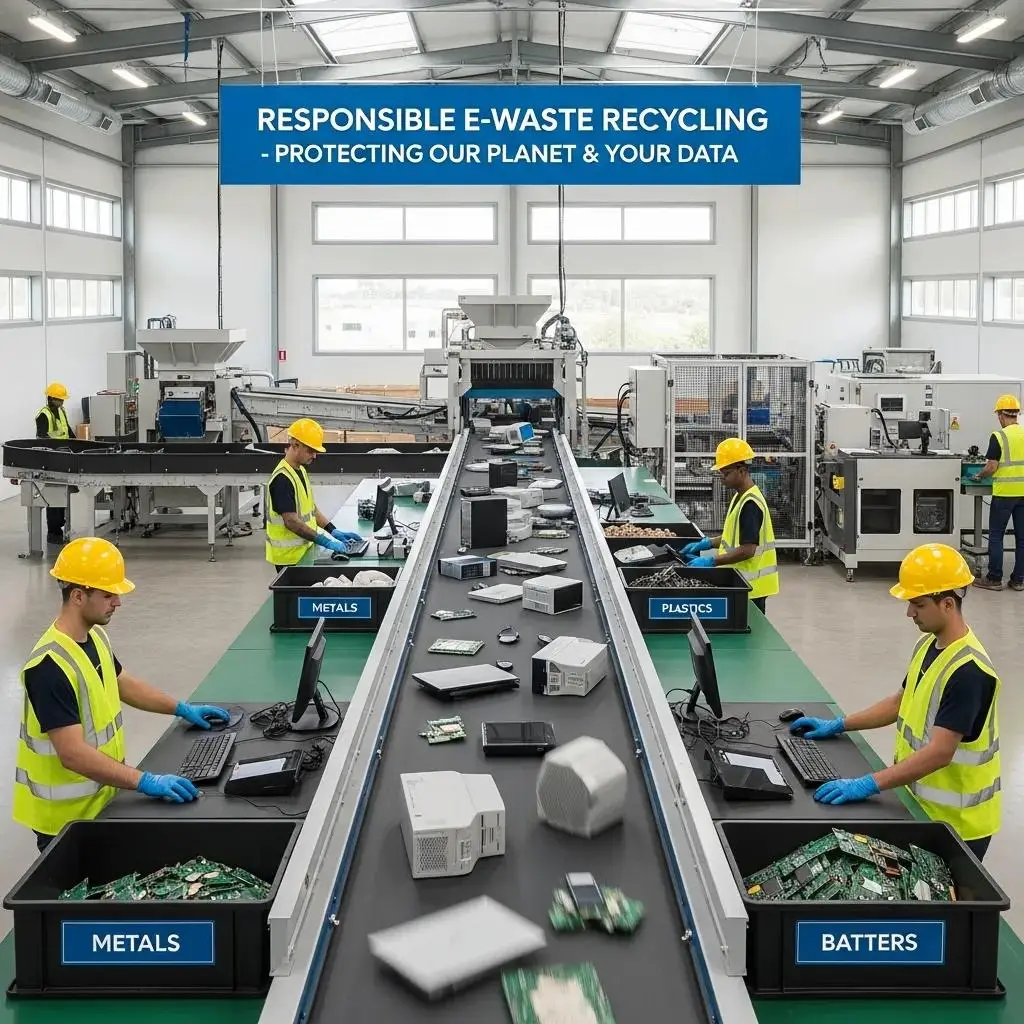
Waste computer recycling is a critical process that ensures the safe disposal of electronic devices while protecting sensitive data and the environment. This comprehensive guide will delve into the importance of certified e-waste recycling programs, the steps for safe recycling, and the environmental benefits associated with proper waste computer recycling. Many individuals and businesses face challenges in responsibly disposing of outdated technology, which can lead to data breaches and environmental harm. By understanding the mechanisms and benefits of waste computer recycling, readers can make informed decisions about their electronic waste. This article will cover certified e-waste recycling programs, safe recycling practices, environmental impacts, data destruction services, corporate disposal solutions, and tips for selecting the best recycling centers.
What Are Certified E-Waste Recycling Programs and Why Do They Matter?
Certified e-waste recycling programs are essential for ensuring that electronic waste is processed in an environmentally responsible manner. These programs adhere to strict guidelines and standards that promote safe recycling practices, protecting both the environment and public health. By participating in certified programs, individuals and businesses can ensure that their electronic devices are disposed of properly, minimizing the risk of harmful materials entering landfills. The significance of these certifications lies in their ability to foster sustainable recycling practices that contribute to a circular economy.
Which Certifications Ensure Responsible Computer Hardware Recycling?
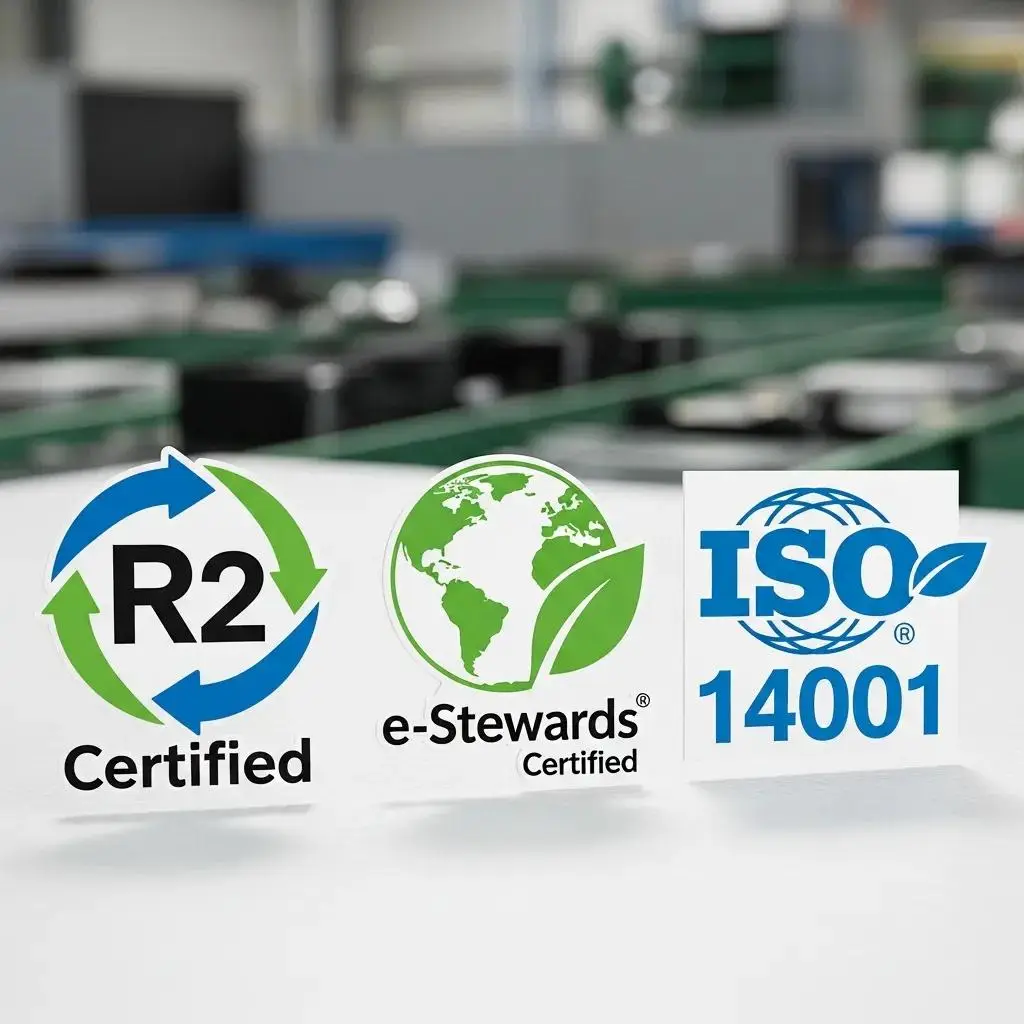
Several certifications are crucial for responsible computer hardware recycling. These include:
- R2 (Responsible Recycling): This certification ensures that recyclers follow best practices for environmental protection and data security.
- e-Stewards: This certification focuses on responsible recycling and the ethical treatment of workers in the recycling process.
- ISO 14001: This international standard specifies requirements for an effective environmental management system.
These certifications not only validate the recycler’s commitment to responsible practices but also provide peace of mind to consumers and businesses that their e-waste is being handled appropriately.
The development of these certification programs has been particularly crucial in addressing regulatory gaps in e-waste management, especially in countries like the US.
E-Waste Certification: Addressing Regulatory Gaps
By tracing the development of certification programs for the electronic waste (e-waste) recycling industry, I will show why the US, more than other countries, provided an enabling environment for the emergence of non-state e-waste recycling certification. The US’s failure to ratify the Basel Convention on transboundary movements of hazardous wastes and an overall lack of domestic legislation on e-waste exports created regulatory gaps that non-state actors were able to fill.
The Basel Convention, US politics, and the emergence of non-state e-waste recycling certification, S Renckens, 2015
How Do Certified Electronic Recyclers Protect Data and Privacy?
Certified electronic recyclers implement various measures to protect data and privacy during the recycling process. They utilize secure data destruction methods, such as physical destruction of hard drives and data wiping techniques that comply with industry standards. For instance, many recyclers follow the National Institute of Standards and Technology (NIST) guidelines for data sanitization, ensuring that sensitive information is irretrievable. This commitment to data security is vital for businesses that handle confidential information, as it mitigates the risk of data breaches and identity theft.
Adhering to established guidelines from organizations like NIST is fundamental for businesses to ensure robust data sanitization and compliance with privacy regulations.
Secure Data Sanitization for Businesses
and guidelines from NIST, ISO, and DoD form a foundation for secure data erasure, sanitization, and data management practices. These standards are crucial for small and medium-sized businesses to develop their data management practices, implement appropriate data destruction policies, and ensure compliance with data protection regulations.
Forensic Digital Data Sanitization: A Guide for Small and Medium-Sized Businesses, NK Shashidhar, 2023
How to Recycle Old Computers and Laptops Safely and Effectively
Recycling old computers and laptops involves a systematic approach to ensure safety and effectiveness. By following a structured process, individuals can contribute to environmental sustainability while protecting their data.
What Are the Step-by-Step Processes for Electronics Recycling?
The step-by-step processes for electronics recycling include:
- Preparation: Remove all personal data and sensitive information from devices.
- Research: Identify certified e-waste recycling programs in your area.
- Drop-off or Pickup: Deliver the devices to a recycling center or arrange for a pickup service.
- Documentation: Obtain a certificate of recycling to confirm proper disposal.
These steps help ensure that the recycling process is efficient and secure, minimizing the risk of data exposure.
Where Can You Find Local Electronics Recycling Centers and Services?
Finding local electronics recycling centers can be done through various resources:
- Online Directories: Websites like Earth911 provide searchable databases for recycling centers based on zip codes.
- Local Government Websites: Many municipalities offer information on e-waste recycling events and permanent drop-off locations.
- Community Programs: Local non-profits and organizations often host recycling drives, making it easier to dispose of old electronics responsibly.
By utilizing these resources, individuals can locate nearby recycling services that adhere to certified standards.
What Are the Environmental Benefits of Proper Waste Computer Recycling?
Proper waste computer recycling offers significant environmental benefits, contributing to a healthier planet. By recycling electronic devices, valuable materials can be recovered and reused, reducing the need for new resource extraction.
How Does Recycling Reduce E-Waste and Landfill Impact?
Recycling helps reduce “e-waste” and landfill impact by diverting electronic devices from landfills, where they can release harmful substances into the environment. For example, recycling one million laptops can save the energy equivalent to the electricity used by 3,500 homes in a year. Additionally, recycling conserves natural resources, as it allows for the recovery of precious metals and other materials that can be reused in manufacturing.
What Are the Latest Statistics on Global E-Waste Volumes and Recycling Rates?
Recent statistics indicate that global e-waste volumes continue to rise, with an estimated 53.6 million metric tons generated in 2019. However, only 17.4% of this e-waste was recycled through formal channels. This highlights the urgent need for improved recycling practices and increased participation in certified e-waste recycling programs. As awareness grows, it is crucial to promote responsible recycling to mitigate the environmental impact of electronic waste.
The growing global e-waste challenge underscores the critical need for comprehensive legislative frameworks to regulate e-waste management and protect the environment.
Global E-Waste Legislation & Environmental Protection
The improper disposal and informal processing of e-waste have raised serious concerns for the environment and human health worldwide. A variety of legislative frameworks have been implemented to regulate e-waste management and upcycling in order to prevent environmental pollution and adopt resource reuse.
A comprehensive analysis of e-waste legislation worldwide, S Ramakrishna, 2020
Which Data Destruction Services Ensure Secure Disposal of Computer Hardware?
Data destruction services play a vital role in the recycling process by ensuring that sensitive information is securely disposed of. These services are essential for businesses and individuals who want to protect their data during the recycling of old computers and laptops.
How Do Data Destruction Services Comply with Privacy Regulations?
Data destruction services comply with privacy regulations by following strict protocols for data sanitization. They often provide documentation that verifies compliance with regulations such as the General Data Protection Regulation (GDPR) and the Health Insurance Portability and Accountability Act (HIPAA). This compliance is crucial for businesses that handle sensitive information, as it helps avoid legal repercussions and protects customer data.
What Technologies Are Used for Certified Data Destruction?

Certified data destruction employs various technologies to ensure secure disposal, including:
- Degaussing: This process uses magnetic fields to disrupt the data stored on hard drives, rendering it unreadable.
- Physical Destruction: Hard drives are physically destroyed through shredding or crushing, ensuring that data cannot be recovered.
- Data Wiping: Software-based methods overwrite existing data with random patterns, making it irretrievable.
These technologies provide effective solutions for data destruction, ensuring that sensitive information is permanently eliminated.
What Corporate and Bulk Computer Disposal Solutions Are Available?
Corporate and bulk computer disposal solutions are designed to help businesses manage their electronic waste responsibly. These solutions often involve partnerships with certified e-waste recyclers to ensure compliance with regulations and environmental standards.
How Do Businesses Comply with E-Waste Regulations Through Certified Recycling?
Businesses can comply with “e-waste regulations” by partnering with certified recyclers who follow established guidelines for electronic waste disposal. This partnership ensures that all e-waste is processed in accordance with local, state, and federal regulations, minimizing the risk of legal issues. Additionally, certified recyclers provide documentation that verifies compliance, which is essential for corporate accountability.
What Are the Benefits of Partnering with Certified E-Waste Recyclers for Corporations?
Partnering with certified e-waste recyclers offers several benefits for corporations, including:
- Environmental Responsibility: Companies can demonstrate their commitment to sustainability by ensuring proper disposal of electronic waste.
- Data Security: Certified recyclers implement secure data destruction methods, protecting sensitive information.
- Cost Savings: Efficient recycling processes can reduce disposal costs and recover valuable materials.
These benefits highlight the importance of responsible e-waste management for businesses in today’s environmentally conscious market.
How to Choose the Best Electronics Recycling Centers Near Me?
Selecting the best electronics recycling centers involves considering several factors to ensure that the chosen facility meets your needs and adheres to certified standards.
What Factors Should You Consider When Selecting a Recycling Center?
When choosing a recycling center, consider the following factors:
- Certifications: Ensure the center is certified by recognized organizations such as R2 or e-Stewards.
- Services Offered: Check if the center provides data destruction services and documentation.
- Reputation: Research reviews and testimonials to gauge the center’s reliability and effectiveness.
These factors will help you make an informed decision when selecting a recycling center for your electronic waste.
Are Electronics Recycling Services Free or Fee-Based?
Electronics recycling services can vary in cost. Some centers offer free drop-off services, while others may charge a fee for certain items, especially larger electronics like televisions and monitors. It’s essential to inquire about any potential costs before proceeding with recycling. Many local governments also host free recycling events, providing an excellent opportunity for residents to dispose of their e-waste responsibly.
| Certification | Description | Importance |
|---|---|---|
| R2 | Responsible Recycling | Ensures environmental protection and data security |
| e-Stewards | Ethical Recycling | Focuses on responsible practices and worker treatment |
| ISO 14001 | Environmental Management | Promotes effective environmental management systems |
This table illustrates the significance of various certifications in ensuring responsible e-waste recycling practices. By choosing certified recyclers, individuals and businesses can contribute to a more sustainable future while safeguarding their data and the environment.