Nationwide Electronics Recycling: A Business Buyer’s Guide
An IT director is retiring 600 laptops across 14 clinics in eight states while finance closes the books at ...

Mon-Fri 8:30AM – 4:30PM
404-905-8235
IT Buy Back
Donate Today!
Datacenter Services
Product Destruction
Who We Serve



Your partner in managing surplus enterprise IT equipment. From laptops to servers, our ITAD recycling and profit sharing programs let you dispose of old technology securely while earning cash back on what still holds value. Contact us for a free valuation and find out what your retired equipment is worth. These services are exclusively for businesses.
Get Paid To Recycle.
Reach out to learn about our profit sharing programs, built for businesses retiring substantial equipment that still carries market value. You can request a free, no obligation valuation to discover what your company’s outdated computer gear is worth. This service is for businesses only.

We send a representative to inventory your equipment onsite, or you email us your inventory list. Either way you get a prompt offer, and a 100 percent no obligation free market value quote before anything leaves your premises.
We remove all asset tags, stickers, and identifying marks from the equipment.
We recycle and dispose of every item deemed scrap in full accordance with all local and federal regulations.
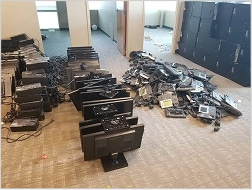
We handle data destruction to NIST SP 800-88 guidelines or DoD 5220.22-M standards, with data wipe or shredding of all hard drives and storage media.
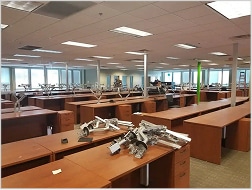
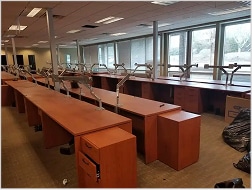
We handle the logistics of equipment pickup and delivery to our warehouse from your location. We use our own equipment or a trucking company to facilitate pickup and delivery, and we provide the labor to move and palletize the equipment onsite before transport. If your equipment needs to be removed from racks or walls, our technicians remove it.
We take overview pictures of your equipment to confirm delivery to our facility, then conduct a full audit of everything received.
We issue a Certificate of Recycling or a Certificate of Destruction for the entire load. It serves as your transfer of property and liability, so the equipment is off your books from a legal standpoint.
We pay you by certified check for the full agreed value of the equipment within the agreed time frame, typically NET 15.



You receive a Certificate of Destruction that transfers liability off your company. Finance gets clean records, legal gets proof, and your retired equipment leaves the building with its data already gone. That is the difference between recycling that protects you and disposal that exposes you.
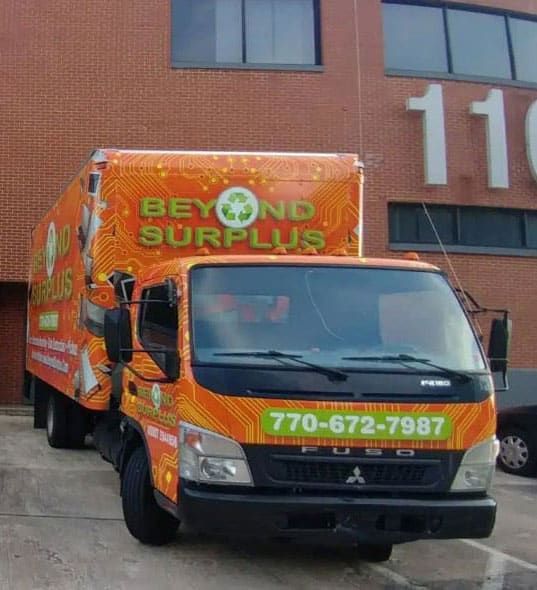
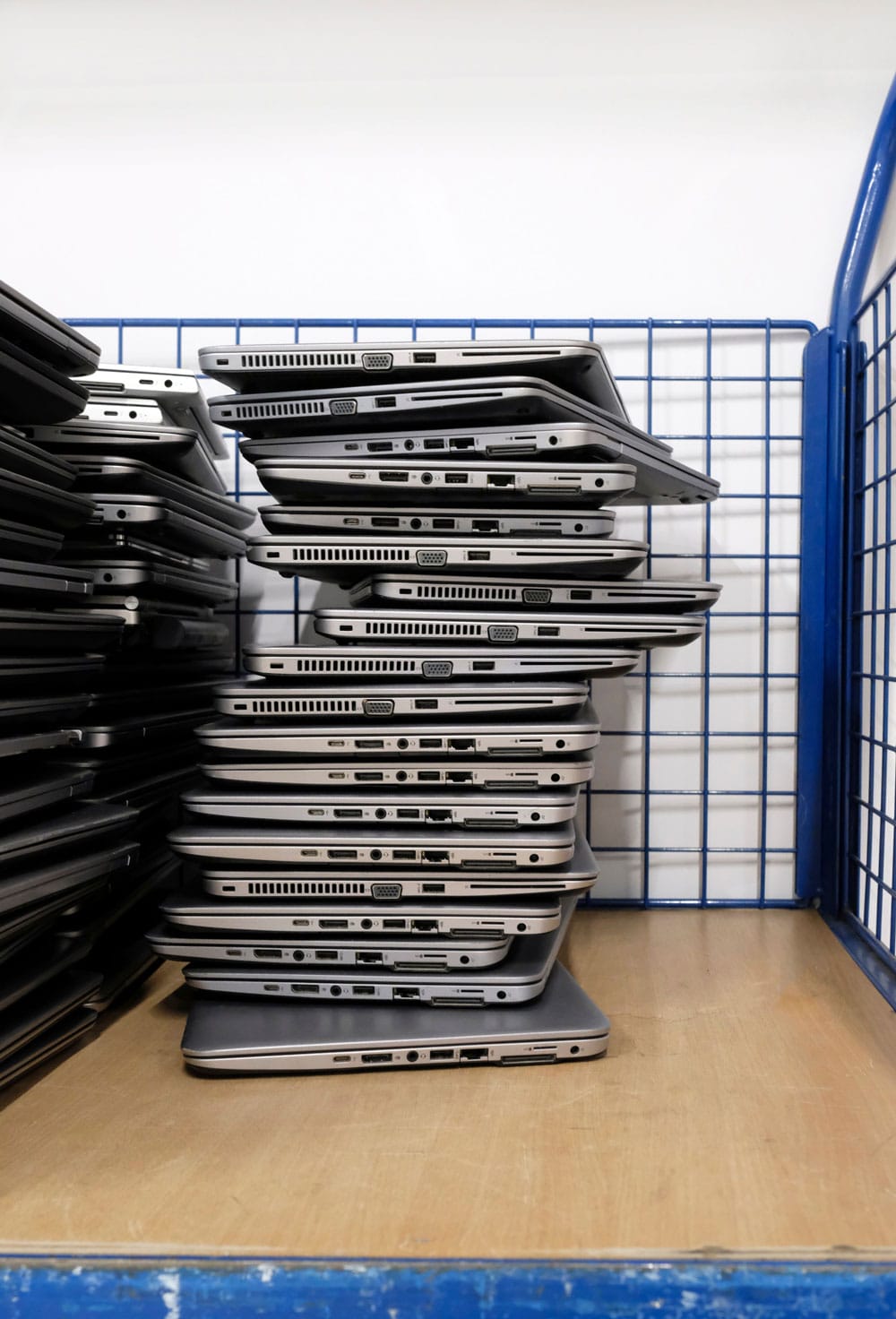

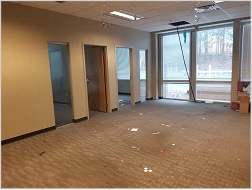
Our team does the heavy work onsite. We palletize, we wrap for transport, and we remove equipment from racks and walls when needed. You point us at the room, and we clear it, with chain of custody documented from pickup to processing.