As February moves along in Augusta, it’s easy to feel the push to get things in order before spring. The chill isn’t completely gone, but the days are getting longer, and that quiet late-winter lull often leads us to start clearing our homes and workspaces. Electronics waste disposal should be part of that early cleanup. It’s not just about getting rid of clutter but making sure old devices aren’t ending up with your regular trash. A lot of the stuff we forget about, phones from five years ago, frayed charging cords, broken keyboards, actually counts as electronic waste, and handling those items the right way matters.
If you’re sniffing out what to toss or keep before spring cleaning kicks in, knowing what qualifies as electronic waste can make a big difference. It’s not always obvious, and some items might surprise you.
What Is Electronics Waste and Why It Matters
Most of us have more electronics in our homes and offices than we realize. Old gadgets pile up over time, some work, some don’t, and many just sit around without purpose. Electronics waste includes things like:
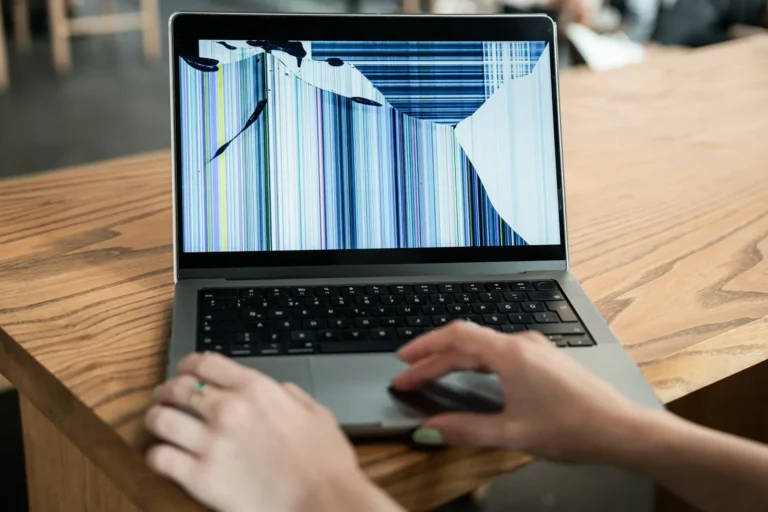
• Dead laptops and broken tablets
• Outdated video game consoles
• Disconnected routers and modems
• Power cords with frayed ends
• Cell phones that no longer charge
These kinds of items often contain batteries, wiring, and small electronic parts that don’t belong in the trash. Tossing them into household bins can lead to leaks from lithium batteries or unsafe exposure to metals and plastic.
Proper electronics waste disposal helps reduce that risk. It also gives materials another chance at being reused, whether that’s a working part pulled from a device or raw material put back into circulation. That makes it safer for everyone and better for the environment in the long run.
What You’ll Likely Find While Cleaning Out
If you’ve lived in the same place for a while, you probably have electronics tucked away in drawers, boxes, or even under furniture. During late winter, as people in Augusta start getting ahead of spring projects, these are common items that often turn up:
• Wireless keyboards with missing keys
• Dead or outdated cell phones
• Old routers or modems that no longer work with your internet setup
• Printers that jam constantly and never get used
• Tangle-filled boxes of outdated cords, USB cables, and chargers
You’ll likely find this kind of clutter in home offices, hallway closets, garages, or tucked into the back of kitchen junk drawers. Anything with a plug or battery might be a candidate for recycling if it’s no longer useful or hasn’t been touched in ages.
Try walking through your space with a specific eye for tech gear. Take a look around your home or workspace, especially near desks, entertainment stands, and storage bins. If it hasn’t been used in the last year, it might be time to let it go.
When you start sorting, keep an open mind. Sometimes, devices that still “look” fine haven’t worked in years, or their power cords are missing altogether. If you can’t find all the parts or you remember last time it wouldn’t turn on, that item can join your e-waste pile. It may be helpful to gather everything in one place before deciding what to recycle or keep. This makes it easier to spot duplicates or forgotten items.
Items That Look Like Trash but Aren’t
Some kinds of e-waste don’t stand out right away. That’s because we tend to think of household trash as just trash. But electronics aren’t always that obvious, especially when they’re small or lightweight. Here are a few things people often overlook:
• Phone charger bricks with worn-out wires
• Wireless earbuds with one side broken
• Fitness trackers with dead batteries
• Computer mice that stopped working after a spill
• External hard drives that no longer connect
• Digital picture frames and e-reader chargers
A good rule of thumb: if the item runs on a battery or hooks up to electronics, it’s worth setting aside. Smaller devices can still hold data and contain materials that need special handling. Power cords and thumb drives also count, even if they seem harmless. Just because something doesn’t power on anymore doesn’t mean it’s safe to treat like regular trash.
You might also run into things like adapters, splitters, or old memory cards. These small electronic components can add up and are easy to miss if you rush through sorting. If you aren’t sure, take a closer look for buttons, lights, or any signs that it once helped power or connect devices.
What Not To Include in Electronics Waste
It’s easy to overcorrect and toss everything with a plug into the same pile, but not all items fall under the electronics waste category. Just because something uses electricity doesn’t mean it qualifies as e-waste. Items like:
• Toasters
• Microwaves
• Desk fans
• Coffee makers
• Blenders
These are considered more in line with small appliances. They don’t usually contain the same kinds of batteries, circuits, or parts that are found in computers, phones, or other electronics. Some items fall into a gray area, so take a second look. If there are circuit boards, batteries, data inputs, or screens, that’s usually a hint the item qualifies as electronic waste.
If you’re ever unsure, checking for a label or product type can help. Labels with charging specs, ports, or data symbols usually mean the device falls under e-waste. If it’s just a heating element and a plug, chances are it counts as a small appliance.
For items that seem to cross categories, spend a minute checking online or reach out to someone locally who handles recycling to confirm. It’s always better to ask than to risk sending something to the wrong place.
Power Down and Clear Out: Preparing for a Simpler Spring
Late winter is actually a great time to take care of electronics clutter before the full rush of spring cleaning arrives. February tends to be quieter, cooler, and more open for indoor organizing. Clearing out electronics now means one less category to deal with when you’re deep-cleaning rooms or working on bigger repairs.
Plus, it’s satisfying to get that drawer full of tangled cords under control. And knowing which items count toward electronics waste makes the sorting process faster.
• Look for devices that don’t work or haven’t been used in a long time
• Gather old batteries, chargers, and accessories into one spot
• Set aside anything that once held data or software
Starting early makes everything smoother down the line. Getting ahead of electronics waste now clears space, helps prevent accidents, and gives you one more thing checked off the list before the pollen and projects of spring officially roll in.
Once you clear out the items you no longer need, your home feels lighter and better organized. It’s always helpful to sort everything into clear categories, which keeps things simple when you’re ready for a recycling drop-off. The less clutter that piles up, the easier it is to stay ahead of new projects or any last-minute repairs that might pop up as the weather gets warmer. Making electronics waste disposal a regular part of your winter-to-spring routine keeps your space happier and safer.
When you’re ready to clear out the electronics you no longer use, we’re here to make it easy to do it the right way. From chargers buried in drawers to old devices gathering dust in closets, we help Augusta residents handle items that don’t belong in the trash. Safe, responsible electronics waste disposal helps prevent problems down the line and keeps cleanup from turning into an extra headache later. At Beyond Surplus, we keep the process simple from start to finish. Give us a call to get started.