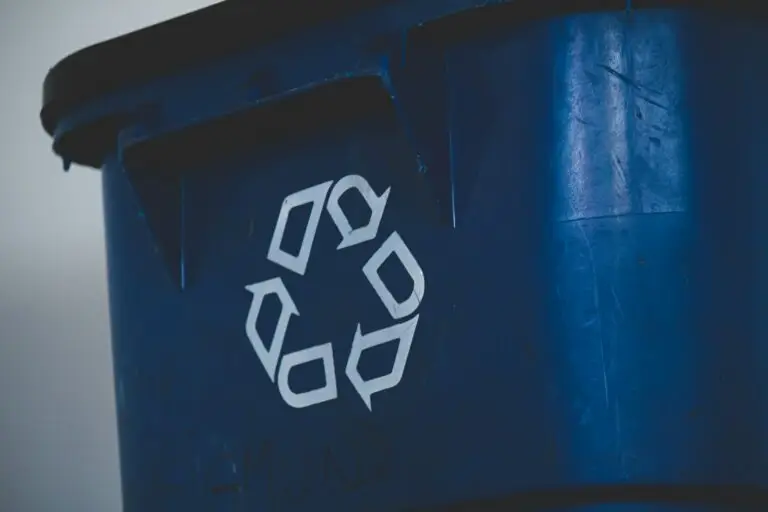

Most people hang on to their old computers long after they’ve stopped working. They sit in closets, garages, or basements collecting dust, taking up space, and forgotten. But those old machines don’t just become outdated. They eventually become electronic waste, or e-waste. And when that happens, they can cause more harm than you might think.
E-waste is a growing problem at home. Computers aren’t like old furniture you can just set at the curb. They contain parts that can leak harmful stuff into the environment if tossed the wrong way. Even worse, they may still hold pieces of personal information that could fall into the wrong hands. That’s why learning how to spot and recycle those aging devices is so important.
Signs Your Home Computer Has Become E-Waste
Computers don’t last forever, even the ones that seemed top-of-the-line when you first bought them. Over time, they slow down, break, or no longer keep up with today’s software. When your once-trusty desktop becomes more frustrating than functional, it might be time to let it go.
Here are some clear signs that your home computer is now e-waste:
– It takes forever to boot up or constantly freezes mid-use
– You can’t install newer programs because your system is too old
– Important updates no longer work on the operating system
– The battery (for laptops) won’t hold a charge, or the power button becomes unreliable
– You’ve had to replace multiple parts, but it still performs poorly
– The screen is cracked, or keys are missing
– You’ve moved on to a new one but kept the old one “just in case”
One common example is folks who keep their old family desktop in the hallway closet. It hasn’t booted in years, but because it has pictures or tax files, it stays. Meanwhile, any damage inside like cracked hard drives or exposed wiring quietly worsens, turning it into a security and environmental hazard.
If your computer fits one or more of these descriptions, don’t ignore it. A broken-down device isn’t just clutter. It’s a growing risk that shouldn’t be pushed aside for another day.
Risks Of Keeping Or Improperly Disposing Of E-Waste
Old electronics can do damage long after people stop using them. Holding on to outdated computers may feel harmless, but the risks build over time. The problem gets even bigger if someone chooses to throw a computer in the trash instead of recycling it the right way.
Here’s what can go wrong:
– Data breaches – Most people don’t fully clean hard drives before putting a device aside. Even if the computer won’t turn on, there may be personal files still sitting inside. Banking info, passwords, or tax documents can be easy targets for anyone who knows how to access an old drive
– Environmental damage – Computers are made with materials that shouldn’t end up in landfills. They might leak chemicals into the soil or water, especially if left out with household garbage. Over time, this kind of pollution adds up, even from a single home device
– Legal trouble – Some counties and states have rules about how to get rid of electronics. Tossing that old laptop into the regular trash could lead to more than just a mess. It might break local disposal laws
Keeping an old computer that no longer works poses more than just an annoyance. It’s a risk that grows if ignored, one that affects both people and the planet. Taking care of e-waste starts by recognizing what you’ve got and acting before problems get worse.
How To Recycle Computers The Right Way
Once you’ve figured out your old computer is no longer useful, the next step is making sure it’s recycled the right way. Tossing it in the trash or leaving it on the curb can do more harm than good. Instead, take a few important steps before handing it off for recycling so your sensitive info stays private and your device gets properly handled.
Here’s how to get started:
1. Back up your data – Before you part ways, move anything important to an external drive or a secure cloud service. Photos, tax records, and saved documents should be backed up
2. Wipe the hard drive clean – Fully erase your personal and sensitive files. Resetting the device to factory settings isn’t always enough. It’s safer to have data wiped by someone who knows how to do a full, secure erasure
3. Remove accessories – Chargers, USB drives, and dongles don’t need to go with the computer. Take those off unless they’re broken too, in which case they can be recycled separately
4. Label issues if needed – If your device is physically damaged or doesn’t boot up, label what’s wrong with it. It helps the recycler know how to handle it better
5. Find a certified recycling center – Look for local recycling programs in cities like Augusta, Columbus, Macon, and Savannah that accept computers and follow proper disposal methods. Make sure the place you choose is legitimate and doesn’t just ship e-waste overseas
Doing these steps helps protect your identity and makes sure hazardous materials are handled the right way. Avoid giving your computer to just anyone who offers to take it off your hands. A reliable recycler will know how to break it down the right way and make use of the parts that can be salvaged. Plus, local programs often have drop-off days or collection points that are easy for residents to use.
Why E-Waste Management Matters For Everyone
Being mindful of how we get rid of old electronics helps on more than one front. There’s the digital safety side of keeping personal files away from prying eyes. Then there’s the environmental part of keeping usable materials in circulation and harmful stuff out of landfills.
Recycling your computer might stop your data from being used the wrong way. Wiping a hard drive yourself using basic delete methods doesn’t remove everything. If someone retrieves that drive later, it’s possible to recover private stuff. They’re not just junk. Those devices store years of family photos, tax returns, bank logins, and more.
On the environmental side, taking e-waste to proper facilities keeps toxins like lead or mercury from seeping into the ground or water. Instead, the metal and plastic parts can be broken down and reused. It cuts down on what’s pulled from the planet to build new products.
When you recycle old tech responsibly, you’re doing your part to protect the community too. Collection programs that follow safe standards help make cities like Augusta, Columbus, Macon, and Savannah cleaner and more aware of long-term waste problems. It also sets a good example for kids and neighbors when they see you’re taking care of your electronics responsibly.
Secure Your Future: Recycle Responsibly
Old computers don’t have to end up as a problem. With the right steps, they can be cleared out safely, keeping your data out of harm’s way and your environment healthier. It’s not just about clearing out space at home. It’s about handling things the right way for yourself and others.
Being thoughtful about how we discard electronics sets up better habits for the future. Whether it’s a laptop that no longer turns on or a bulky desktop collecting dust in the garage, what you do with it after it stops working matters. Recycling it responsibly doesn’t have to be overwhelming. Just take it one step at a time and get help from someone you trust to do it right.
By recycling your old computers through a trusted service like Beyond Surplus, you contribute to a safer environment while keeping your personal information out of the wrong hands. Ready to take the next step? Learn how to responsibly recycle computers and make a lasting impact right in your community.