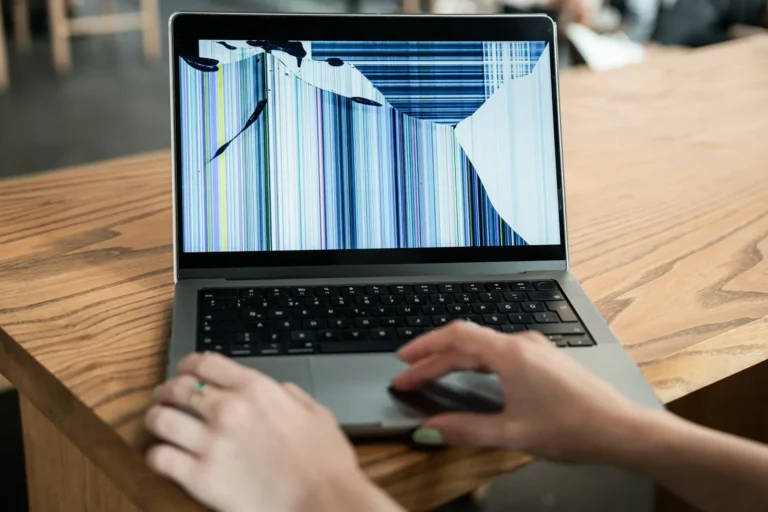

Proper disposal of medical equipment is more important than many might think. Old or unneeded equipment in healthcare settings can pose risks if not handled correctly. These devices, from thermometers to larger machines, often contain materials that need careful consideration during disposal. Without proper handling, there’s potential for environmental harm or health hazards to those in contact with these items. Recognizing the significance of this process is the first step in ensuring a safe environment for both individuals and the community.
In addition to safety concerns, properly disposing of medical equipment also helps maintain an organized healthcare space. When equipment becomes outdated or is no longer functional, clearing it out in a responsible manner ensures that clinics and hospitals operate smoothly. This process also adheres to legal requirements, which vary by location, making it essential for healthcare facilities to stay informed about their local regulations.
Assessing the Equipment
Before diving into the disposal process, it’s essential to assess the equipment you have. Begin by making a list of all the items that need to be disposed of. Consider these questions during the assessment:
– What kind of equipment are you handling?
– Does any of it contain hazardous materials?
– Is there data stored in the devices that need erasing?
Identifying hazardous materials is a critical step. Some equipment may contain mercury, lead, or other harmful substances. If left unchecked, these materials can pose serious environmental threats. Thus, understanding what you’re dealing with not only protects the environment but also ensures compliance with disposal guidelines.
Once you have gathered all the necessary information about the equipment, it’s easier to decide the best disposal method. Each device might require a different approach, depending on its composition and potential hazards. This thoughtful assessment phase is essential in paving the way for efficient and safe disposal.
Having this foundational preparation will make the subsequent steps in the disposal process smoother and more manageable. By paying attention to detail, healthcare practitioners can uphold safety standards not just for their teams, but for their patients as well.
Proper Disposal Methods
When considering how to dispose of medical equipment, various methods come into play depending on the type of device. Recycling remains a top option, especially for items still functioning but outdated. Specialized recycling facilities can safely handle items, ensuring the recovery of useful materials while managing hazardous components appropriately. Instead of traditional waste disposal, recycling not only conserves valuable resources but also reduces environmental impact.
Another well-advised method is partnering with certified disposal services. These professionals are well-versed in the legal and environmental protocols needed for handling medical equipment. They offer comprehensive solutions, from pick-up services to ensuring that every piece of equipment is disposed of following the required standards. This collaboration alleviates the burden on healthcare providers, allowing them to focus on their core responsibilities while knowing their equipment is managed safely.
Legal and Environmental Considerations
Understanding the legal landscape surrounding medical equipment disposal is essential for compliance. Regulations can vary depending on location, so it’s necessary to stay informed about both local and federal guidelines. These rules often cover everything from handling hazardous materials to ensuring that sensitive data is properly erased before equipment is disposed of. Ignoring these regulations might lead to legal repercussions, so diligence is necessary.
Environmental compliance is equally vital, as improper disposal can lead to contamination and harm to the ecosystem. Healthcare facilities are urged to explore eco-friendly alternatives that align with environmental policies. Choosing methods that emphasize sustainability helps maintain a balance with nature and ensures a safer environment for future generations.
Making a Positive Impact in Your Community
Disposing of medical equipment responsibly offers benefits beyond just safety and compliance. It provides a significant positive impact on the local community. Proper disposal methods demonstrate a commitment to environmental stewardship and can foster community trust and well-being.
– Supports local environmental goals
– Minimizes health risks in the community
– Encourages a culture of responsibility and care
By advocating for best practices in disposal, individuals and organizations can inspire others to adopt a more sustainable approach. This collective effort helps create a healthier and more thoughtful community, highlighting the importance of shared responsibility in safeguarding the environment.
Recapping Best Practices in Disposal
Emphasizing the importance of proper medical equipment disposal cannot be overstated. From ensuring safety and legality to fostering community well-being, the steps taken today pave the way for a better tomorrow. With the right methods in place, healthcare providers can dispose of their equipment without worry, knowing they are doing their part to protect both people and the planet.
Choosing professional and certified services to handle these tasks ensures that equipment is managed safely, efficiently, and in compliance with all relevant guidelines. By taking these steps, healthcare facilities contribute positively to their communities and the environment, demonstrating their commitment to responsible care and sustainability.
Choosing the right approach for medical equipment disposal can greatly benefit your healthcare facility and the surrounding community. By disposing of equipment responsibly, you ensure safety, compliance, and sustainability. If you are ready to take action and explore the most efficient disposal methods, trust Beyond Surplus to help you manage this important task with care and professionalism.