Medical equipment isn’t like your average device. When it starts breaking down or becomes outdated, you can’t just leave it in a closet or toss it in the trash. In places like Augusta, Columbus, Macon, and Savannah, knowing when and how to dispose of this gear is about more than tidying up. It helps protect people, the environment, and in many cases, keeps you in line with local laws.
But how do you know when it’s really time to get rid of a piece of medical equipment? Some signs are clear, others aren’t so obvious. Whether it’s constant breakdowns, software no longer being supported, or visible damage, recognizing these signs early can make a big difference. Here’s what to look for and how to handle the process the right way.
Understanding The Risks Of Improper Disposal
Medical equipment can come with hidden hazards. Behind the plastic shells and metal frames, many of these machines contain electronics, batteries, and parts that, if tossed out the wrong way, can be harmful.
One serious issue is damage to the environment. Older equipment might have parts made with lead, mercury, or other toxins. If left in landfills, those substances can leak into the ground or water, creating long-term problems for plants, animals, and people. Once harmful materials are in the ecosystem, cleaning them up isn’t easy.
Legal problems are also a concern. Cities throughout Georgia have rules that apply to the handling of retired medical equipment. Disposing of items without properly treating or recycling them could lead to major penalties. That’s especially true for hospitals and clinics, where improper handling can also damage reputations and invite scrutiny.
Then there are health risks to think about. Devices that come into contact with patients might still hold biological material. If not cleaned and handled correctly, someone down the line could be exposed. Imagine a piece of gear being resold or repurposed without decontamination. The safety risk is real, especially if people don’t know where the device came from.
Taking shortcuts with disposal doesn’t just hurt the earth or break the law—it endangers people too.
Common Red Flags Indicating It’s Time For Disposal
Most medical equipment isn’t made to last forever. Knowing the signs that a machine is ready to be retired saves you from unexpected breakdowns and even injury. Here are a few things to watch for:
– Mechanical Failures: Equipment that needs constant repairs or starts malfunctioning during basic tasks should be pulled from use. Frequent shutdowns and error messages are good indicators something’s wrong.
– Outdated Technology: If the device is no longer supported by the manufacturer or can’t run current software, using it could slow you down or create safety issues.
– Expired or Degraded Parts: Monitors, pumps, or imaging machines often have parts like tubing, seals, or batteries that lose reliability over time. Ignoring expiration cycles can cause poor performance or outright failure.
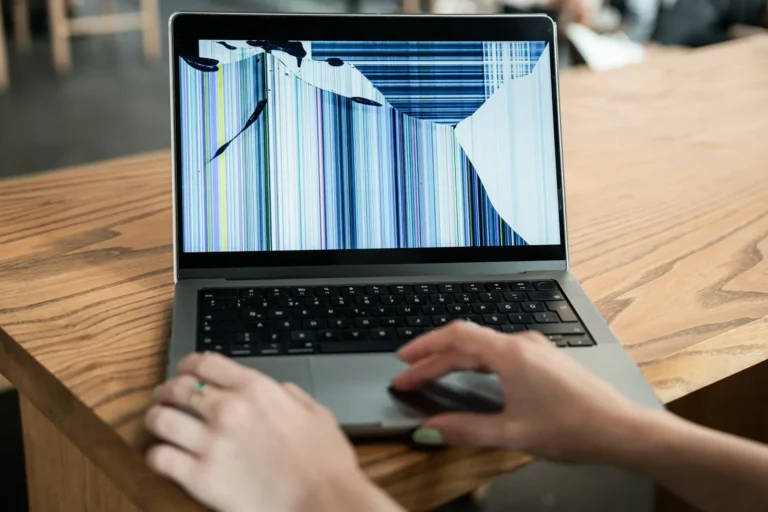
– Visible Wear and Tear: Any equipment with damage to the casing, loose parts, frayed wires, or discolored components may be too risky to use. Those flaws can point to deeper, hidden problems.
Let’s say you run a clinic in Macon and rely on a diagnostic tool that hasn’t been serviced in years. Even if it turns on, you might be putting patients at risk if it’s no longer accurate. Spotting these red flags sooner keeps your space safer and avoids last-minute replacements that disrupt business.
The Right Way To Dispose Of Medical Equipment
Once you’re sure a machine has reached the end of its useful life, don’t rush to throw it out. A few important steps come first to make sure your disposal process is safe and secure.
Start with the data. Devices like imaging tools, monitors, and diagnostic machines can store test results or personal patient records. That sensitive data needs to be completely removed before anything else happens. This process should be handled by someone who knows how to clear the memory properly.
Next, think about cleanliness. Equipment used in any medical setting should be decontaminated. Even if it looks fine on the outside, leftover contaminants could pose a health risk. Decontamination makes recycling or transport safer for anyone coming in contact with the gear.
Finally, team up with a certified disposal partner. These services know how to take equipment apart, recycle what they can, and make sure harmful materials don’t end up in the wrong place. Licensed handlers are trained in federal and state requirements. They’re not just hauling it off—they’re making sure the disposal process meets laws and protects people.
In a city like Savannah, where clean disposal helps support public health and environmental programs, working with the right partner really makes an impact.
How To Pick A Reliable Disposal Provider In Augusta
Finding a trustworthy service to dispose of medical gear isn’t always easy. But there are specific things to look for that can help guide your choice, especially if you’re based in Augusta or other Georgia cities.
Look for these features:
– Certifications: A dependable provider should meet EPA and local standards. This tells you they have the experience and approvals to dispose of medical devices the right way.
– Background With Medical Equipment: Not every disposal company is set up for this type of work. Ask about their experience handling items from clinics, hospitals, or labs.
– Disposal Documentation: A solid provider offers details about what was done with your equipment—from decontamination to recycling. This gives you peace of mind and protects you from any liability down the line.
– Data Security Measures: Your disposal partner should share how they wipe data from devices. If they can’t explain it, they probably don’t follow the right protocols.
– Local Support: Picking a provider close to you in Augusta means quicker service, better communication, and reduced transport hassle.
Think about a practice in Columbus needing to offload a set of outdated machines. Working with a nearby team that’s transparent and certified makes the process smoother and a lot easier to manage.
Why Staying Ahead of Disposal Issues Matters
Medical equipment holds power and responsibility. Waiting until problems pop up often leads to higher risks and rising costs. Staying alert to warning signs—like outdated software, unreliable performance, or cracked components—helps prevent more serious trouble later on.
Proper disposal isn’t just about freeing up space. It supports public safety, protects private data, and avoids penalties tied to poor handling. When done right, each retired item becomes part of a smarter use cycle. Parts are reused, waste is reduced, and your operation runs smoother.
If your machines are starting to show signs of age—or if you’ve already replaced them—it’s time to plan their next steps. Don’t hang on to something that could fail when it matters most. With an experienced team guiding the process, your clinic or office can stay safe, compliant, and ready for what’s next.
When it’s time to retire outdated devices, planning ahead helps ensure compliance and safety. Beyond Surplus handles projects of all sizes with care and responsibility, whether you’re upgrading lab equipment or clearing out storage. For secure, environmentally responsible medical equipment disposal, rely on a process that protects both your data and the environment.