

Most visits to Atlanta follow a familiar script. The World of Coke, the Georgia Aquarium, and a walk through Centennial Park. Those places earn their crowds, but they don't tell you much about how the city feels once you leave the headline attractions behind.
Authentic Atlanta can be found in odd museums, reclaimed green space, working markets, and arts spots that locals revisit because they still feel personal. That's where a weekend starts to feel less like a checklist and more like discovery. If you're building a longer itinerary, pair this list with the Explore Effortlessly Georgia vacation guide.
This guide to hidden gems in Atlanta most tourists never discover gets to the good stuff fast. These are the places that reward timing, a little curiosity, and a willingness to go a few minutes farther than the average visitor.
1. Constitution Lakes Park and Doll's Head Trail
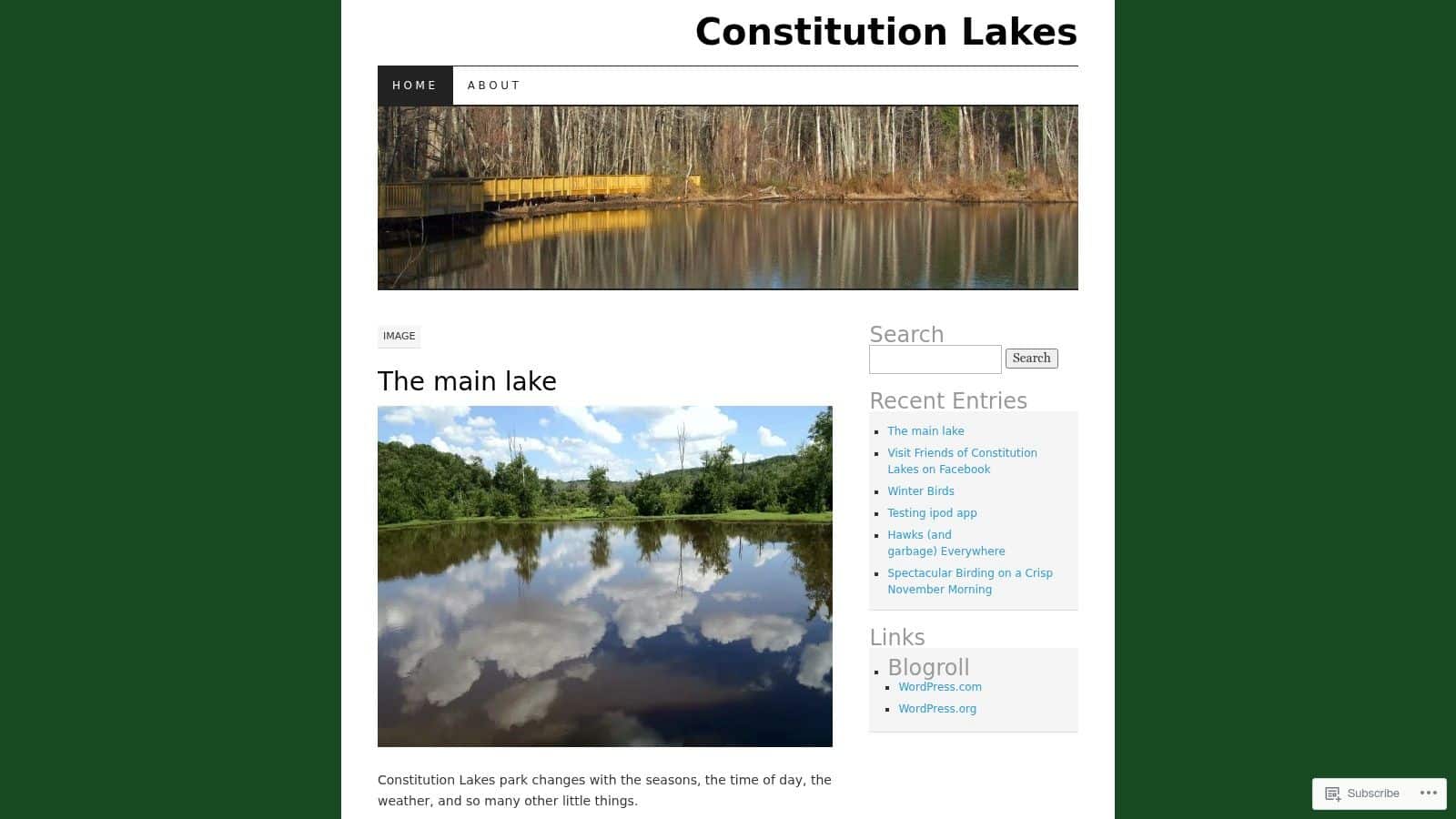
Constitution Lakes Park is one of the quickest ways to leave Atlanta's traffic and noise behind without traveling far. The setting feels unusual right away. Boardwalks cut through wetlands, dirt paths branch into quieter pockets, and the whole place has that slightly hidden quality that keeps casual tourists away.
The draw for many people is the Doll's Head Trail, an offbeat art walk built from found objects. It doesn't feel polished, and that's the point. The handmade installations sit inside the natural setting instead of competing with it, so the experience lands somewhere between a nature walk and a scavenger hunt.
How to visit it well
Go in daylight and wear shoes you don't mind getting dusty. This isn't a park with heavy amenities or a polished visitor setup. It's better for a short wander, photography, and birdwatching than for a full half-day outing.
- Best use of time: Give it about an hour if you're combining it with other east or southeast Atlanta stops.
- What works: Slow walking, phone or camera in hand, staying on marked paths.
- What doesn't: Treating it like a heavily serviced city park with lots of facilities.
Practical rule: If the weather has been wet, expect the trail conditions to feel more rugged than the boardwalk photos suggest.
If you want another local route after this stop, the ultimate Atlanta BeltLine guide for visitors and locals makes a smart same-day contrast. One is wild and improvised. The other is social and urban.
For current park details, check the Constitution Lakes information page.
2. East Palisades and the Bamboo Forest
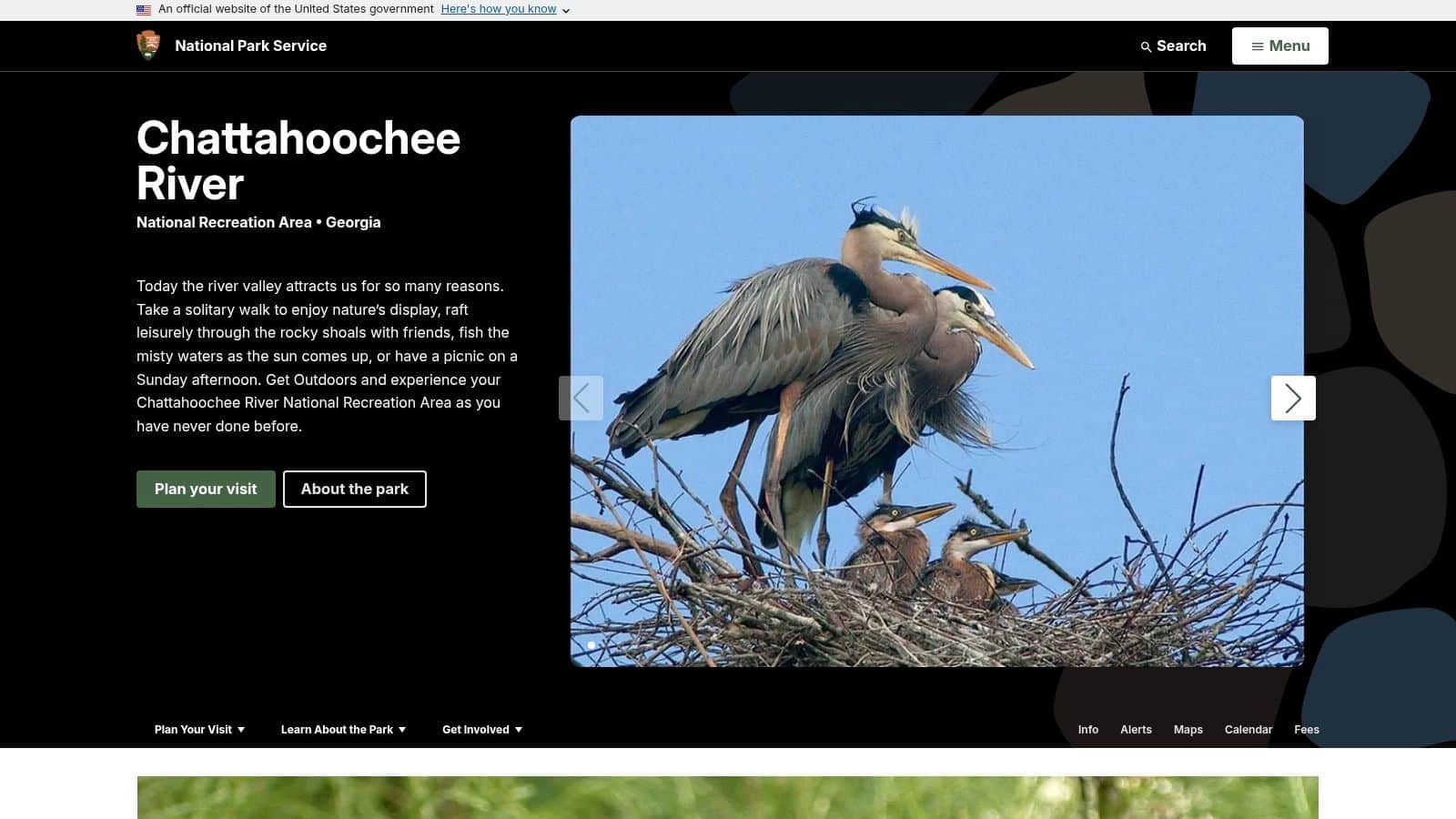
East Palisades is the place to go when you want Atlanta to feel unexpectedly lush. The trails move between ridgeline views, river access, and one of the city's strangest visual surprises, a stand of towering bamboo near the Chattahoochee.
What makes this stop work is variety. You can keep it short and easy, or stretch it into a more deliberate hike with overlooks, shoals, and a look at old mill ruins. Because it's part of the Chattahoochee River National Recreation Area, the trail network is more structured than many casual visitors expect.
Timing matters here
Weekend parking can get tight fast in fair weather. Early arrival solves most of the frustration. There is typically a daily parking or entry fee of $5 unless you're using an America the Beautiful pass, according to the Chattahoochee River National Recreation Area site.
Get there early if you want the bamboo grove without a crowd in every photo.
This is one of the best hidden gems in Atlanta most tourists never discover because it feels far from the city while staying close to intown neighborhoods. That's a rare combination.
If you want a more urban walk later in the trip, the Atlanta BeltLine overview is almost the opposite experience. East Palisades gives you shade, river sound, and uneven terrain. The BeltLine gives you murals, patios, and people-watching.
3. Atlanta Monetary Museum
Near Piedmont Park, the Atlanta Monetary Museum is one of the city's most overlooked smart stops. It's free, self-guided, and much more interesting than the name suggests. Instead of feeling like a dry institutional exhibit, it walks visitors through currency history, counterfeiting, and the mechanics behind the Federal Reserve.
The best reason to go is that it offers a different kind of Atlanta experience. Most hidden gem lists stay in the lane of murals, food halls, and scenic walks. This one gives you a close look at systems individuals interact with every day but rarely think about.
Who will enjoy it most
This is a strong pick for professionals, students, and anyone who likes infrastructure, operations, or public-facing institutions that aren't built purely for tourism. The view into cash-processing areas adds a real-world layer that makes the visit stick.
A few trade-offs matter:
- Big advantage: It's free and often quieter on weekdays than Atlanta's headline attractions.
- Real limitation: Hours are weekday only, and federal holidays can take it off the board.
- Know before you go: Photo ID and security screening are required.
If your Atlanta itinerary usually leans outdoor or food-heavy, this is the kind of stop that gives the day a different rhythm. Visit details are on the Atlanta Monetary Museum page.
4. Waffle House Museum in Decatur
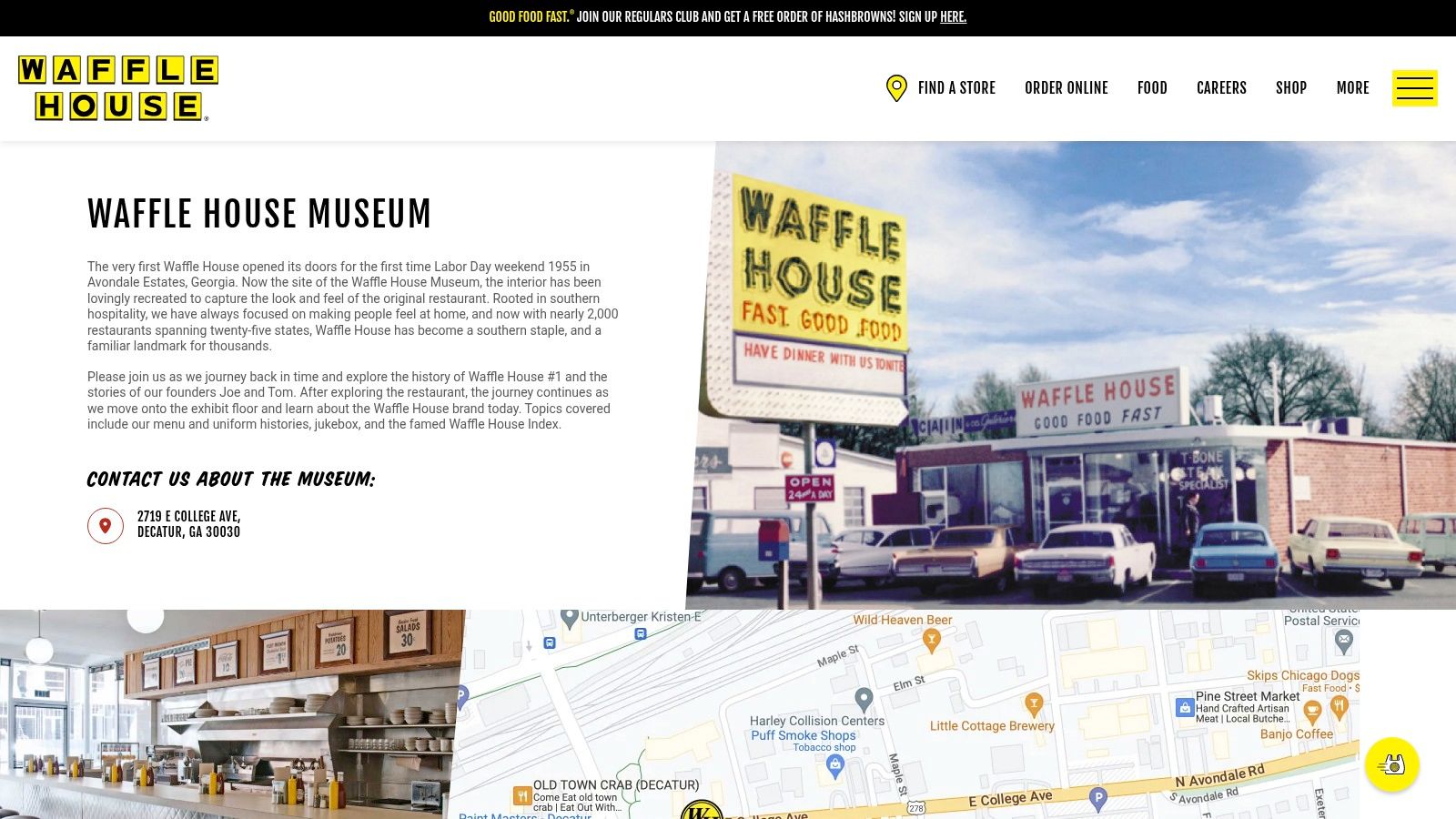
Some hidden gems win because they're grand. This one wins because it's specific. The Waffle House Museum in Decatur sits at the restored original 1955 site and delivers a compact, authentically local piece of Americana that most visitors never think to seek out.
Inside, the appeal is nostalgia done at a small scale. The recreated diner interior, memorabilia, and brand history don't require a huge time commitment. That makes it easy to pair with Decatur wandering, a meal, or another eastside stop.
The catch is availability
This isn't a casual walk-up attraction you should assume will be open whenever you feel like going. Tours are by request, and open-house opportunities are occasional. That's the trade-off for a niche place like this. When it's available, it feels personal. When it isn't, you need a backup plan.
- What works: Planning ahead and treating it like a short specialty stop.
- What doesn't: Building a tight schedule around it without checking access first.
- Best fit: Visitors who enjoy brand history, design nostalgia, and places with strong local identity.
The museum is usually free when tours are offered, which makes the value easy to like. But the main attraction isn't price. It's the chance to see a piece of Atlanta-area culture that still feels rooted in the everyday.
For scheduling details, use the Waffle House Museum page.
5. Starlight Drive-In Theatre

Starlight Drive-In Theatre gives Atlanta something many big cities have lost. A real drive-in movie night that still feels functional, local, and fun instead of preserved as a novelty. If you want hidden gems in Atlanta most tourists never discover that change the mood of a trip, this is a strong contender.
The format is part of the appeal. Multiple outdoor screens, double features on one admission, and occasional live events create a longer, slower evening than a standard theater run. You're not just watching a movie. You're settling into a place.
Best strategy for the night
Check showtimes and weather before you commit. Operations can shift seasonally, and vehicle policies matter more here than at a regular cinema.
A drive-in works best when you treat it like an event, not an impulse stop squeezed into the end of a packed day.
This is especially good for visitors who want a night activity that doesn't feel interchangeable with any other city. It also pairs well with sports-heavy itineraries, especially if you've already been browsing local guides like the Atlanta Braves page.
A few practical trade-offs stand out:
- Big plus: The experience feels nostalgic without being fake.
- Another plus: It can be a budget-friendlier night out than indoor theaters.
- Watch for: Seasonal timing, weather, and site-specific vehicle rules.
Current movies and policies are posted on the Starlight Drive-In Theatre website.
6. Atlanta Contemporary

Atlanta Contemporary is one of the easiest hidden-gem recommendations to make because the barrier to entry is so low. General admission is always free, and the focus on rotating exhibitions means repeat visits can still feel fresh.
This isn't the city's biggest art stop, and that's part of the appeal. The scale keeps it approachable. You can spend under an hour there and still come away feeling like you saw work with a point of view, not just a broad survey assembled for mass appeal.
Why it stands out
The on-site Studio Artist Program gives the place more connection to working artists than many casual visitors expect. That regional focus complements Atlanta's larger museums instead of competing with them.
If you're deciding whether it deserves a slot on a packed itinerary, think about what kind of art visit you want.
- Choose Atlanta Contemporary if: You want something current, compact, and easy to fit into West Midtown.
- Skip it if: You're looking for a giant, encyclopedic museum day.
- Ideal visit length: About 45 to 90 minutes unless you're attending a talk or opening.
For travelers who like to anchor a trip around local culture rather than only headline attractions, this is one of the stronger picks on the list. It's also easy to combine with dining and browsing in the surrounding area, or even broader Atlanta planning through local interest pages like the Atlanta Falcons guide.
See current exhibitions and event listings on the Atlanta Contemporary website.
7. Atlanta State Farmers Market

Most visitors look for a curated weekend market with string lights and a polished social-media vibe. The Atlanta State Farmers Market is the opposite. That's exactly why it's worth seeing.
This is a working market near the airport, not a staged tourist experience. It spans more than 150 acres, according to the Georgia state farmers markets information page, and that scale changes the feel immediately. You see wholesale docks, retail sheds, a garden center, and the practical movement of food through a real distribution hub.
How to approach a working market
Go early if you want the strongest sense of activity and selection. This place rewards curiosity more than leisurely browsing. Chefs, food professionals, and savvy shoppers tend to understand it faster than tourists do because the setup is functional first.
That practical identity is what makes it memorable. It shows an Atlanta that isn't performing for visitors.
Local insight: If you only like markets when they're tidy and curated, this one may feel too operational. If you enjoy seeing how a city actually moves goods, it's excellent.
Free parking helps, but the bigger advantage is access to local and seasonal produce in a format that feels tied to the region. If you're rounding out a wider itinerary, the 25 best things to do in Atlanta this weekend can help you pair this with more traditional stops.
7 Hidden Atlanta Gems – Quick Comparison
| Attraction | 🔄 Accessibility / Complexity | ⚡ Resources (cost & time) | ⭐ Quality & 📊 Impact | 💡 Ideal Use Cases | Key Advantages |
|---|---|---|---|---|---|
| Constitution Lakes Park – Doll's Head Trail | Low 🔄: easy boardwalks, minimal wayfinding; daylight recommended | ⚡ Free; 30–90 min; limited facilities/parking | ⭐ High for photography & birding; 📊 low‑traffic urban nature escape | Quick urban nature stroll, photography, birdwatching | Free, unique volunteer art installations close to city |
| East Palisades (Chattahoochee) – Bamboo Forest | Moderate 🔄: marked trails and multiple trailheads; parking fills on weekends | ⚡ $5/day or national pass; 1–3 hrs; arrive early for parking | ⭐ High scenic/hiking value; 📊 strong wild-feel near intown areas | Short–moderate hikes, river overlooks, nature photography | NPS‑maintained, varied terrain, notable bamboo grove |
| Atlanta Monetary Museum (Federal Reserve) | Moderate 🔄: weekday hours, security screening and photo ID required | ⚡ Free; 30–60 min; weekday access only | ⭐ High educational value; 📊 niche draw for students/professionals | Educational visits, students, finance enthusiasts | Free access to behind‑the‑scenes cash operations exhibits |
| Waffle House Museum (Decatur) | Higher 🔄: tours by request or limited open‑house events | ⚡ Typically free when offered; requires advance booking; ~30–45 min | ⭐ Medium nostalgic appeal; 📊 low attendance due to limited availability | Brand/history enthusiasts, small group tours, nostalgia seekers | Original 1955 site; intimate, authentic mid‑century diner experience |
| Starlight Drive‑In Theatre | Moderate 🔄: drive‑in logistics; seasonal hours, check showtimes | ⚡ Low–moderate ticket cost; evening events; 2–4 hrs per visit | ⭐ High for nostalgia/family entertainment; 📊 good community draw | Family outings, date nights, outdoor concerts | Last local drive‑in with double features and occasional live events |
| Atlanta Contemporary | Low 🔄: urban, easy access; compact layout | ⚡ Free; 45–90 min typical; programming varies | ⭐ High for contemporary art exposure; 📊 supports regional artists | Short museum visits, gallery hopping, artist talks | Always‑free admission and on‑site studio artist program |
| Atlanta State Farmers Market | Moderate 🔄: large working site; best early morning for retail browsing | ⚡ Free parking; variable retail hours; ideal for bulk/early purchases | ⭐ High for produce variety and pricing; 📊 major resource for chefs/retailers | Chefs, bargain shoppers, nursery/garden buyers | Extensive seasonal selection and organized state‑run facility |
Experience the Real Atlanta
Atlanta's mainstream attractions only tell part of the story. The city gets more interesting when you start following its side roads, river trails, odd museums, and working spaces instead of only its marquee sites. That's where the personality shows up.
One of the clearest examples is Tiny Doors ATL. The project includes over 60 six-inch miniature art installations scattered through Atlanta's public spaces and has been active since 2016, turning neighborhoods into a participatory scavenger hunt that many tourists miss entirely, as described in the hidden gems of Atlanta feature. It captures something essential about the city. Atlanta often reveals itself through scale, surprise, and local participation instead of spectacle alone.
That same local perspective also explains why many "hidden gems" conversations miss practical places that matter to business travelers and companies operating here. Mainstream lists often stick to parks, murals, and food while leaving out secure electronics recycling and IT asset disposal options, even though Atlanta's business community regularly needs compliant end-of-life technology handling, a gap highlighted in an Atlanta hidden gems community discussion. For an Atlanta-based company, that omission stands out because the city isn't only a visitor destination. It's also a major working hub.
For travelers and locals alike, the best approach is simple. Keep a few major attractions if you want them, but leave room for places with narrower appeal and stronger identity. A reclaimed wetland trail, a federal reserve museum, a drive-in, or a working produce market may end up being the part of the trip you remember most.
Atlanta rewards people who look a little closer. If you're willing to do that, you'll find a city with more range, more texture, and more character than the standard itinerary suggests. And if you're exploring with pets in mind, Global Pet Sitter in Atlanta is a useful local planning resource.
Beyond Surplus is part of that real Atlanta story. If your organization needs secure, business-ready solutions for retired technology, Beyond Surplus provides certified electronics recycling, IT asset disposition, data destruction, product destruction, and value recovery services for companies in Atlanta and across the United States. Contact Beyond Surplus for certified electronics recycling and secure IT asset disposal.


