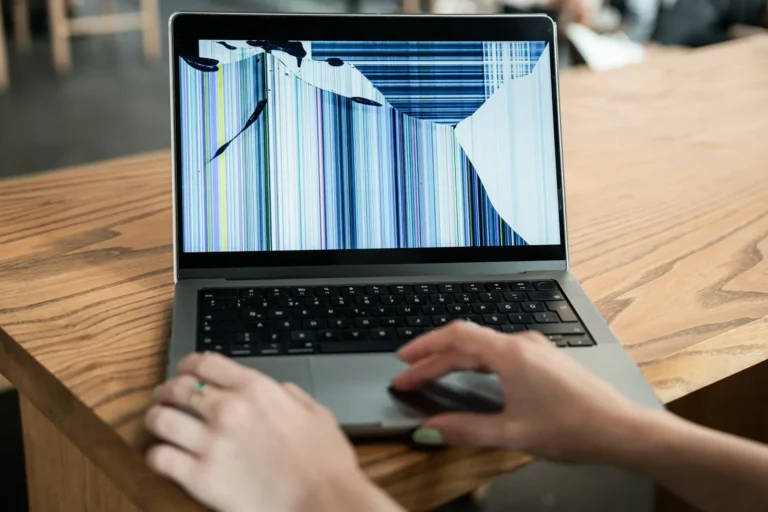
Deleting outdated files is one thing, but making sure sensitive information is permanently gone? That takes real action. Data destruction isn’t just about pressing delete. It’s a deliberate step to protect personal and business information from falling into the wrong hands. When this step is delayed, the risks grow. That’s especially true for businesses and individuals in places like Augusta, Columbus, Macon, and Savannah, where forgotten data can quickly become a serious liability.
Putting off secure data destruction doesn’t always seem risky at first. But every old laptop, forgotten phone, or abandoned external drive can hold valuable data. Without proper disposal, that information can be exposed. The more time passes, the more those devices become targets for fraud, identity theft, and data breaches. That’s why sticking with a routine and consistent destruction process is key to keeping information safe.
Understanding Data Destruction
At its core, data destruction means getting rid of digital files in a way that makes them impossible to recover. It’s not the same as just dragging files to the trash folder or emptying a recycle bin. When you delete something that way, it’s often still hiding in the background and can be recovered with the right tools. Skilled hackers or software programs can get to files unless the hardware is properly and permanently cleared.
Here are some common ways to make sure data is gone for good:
1. Data overwriting: This involves writing random data over the original files, making them unreadable.
2. Degaussing: A magnetic field is used to scramble the data stored on tapes or hard drives.
3. Shredding or crushing: Physically breaking down the device so that the internal data can never be accessed again.
4. Secure erasure software: Programs that wipe an entire drive clean, removing any trace of data.
Each method suits different situations. A small business in Augusta replacing outdated computers may think storing the old devices in a closet is safe. But those hard drives still carry old emails, financial records, and customer data. If they’re not destroyed correctly, all of that information remains at risk. Knowing what method works best and when to use it helps protect sensitive data from being misused.
Immediate Risks of Delayed Data Destruction
Waiting too long to securely destroy data can quickly snowball into serious issues for both individuals and businesses. If devices are thrown out or stored without being wiped, they become time bombs for security risks. Some of the most immediate problems include:
1. Data breaches: Hackers look for weak links like old laptops, USB drives, and discarded hard drives that were never wiped clean. These unsecured devices make easy targets.
2. Identity theft: Personal information such as Social Security numbers, banking details, or personal contacts can be pulled from old hardware and used illegally.
3. Fraud: Old accounts tied to forgotten emails and passwords may be accessed and misused if the data was not properly destroyed.
4. Financial strain: A single breach can lead to unexpected costs like ransom payments, system shutdowns, and loss of revenue during cleanup and recovery.
Even small missteps can have a big impact. Imagine a business in Columbus discarding one unlocked server without checking its contents. That oversight could expose client files, internal reports, and logins that are still valid. The clean-up process could take weeks and cost more than the company expected. Acting early means dodging bigger problems later on.
Long-Term Consequences of Delayed Data Destruction
The longer sensitive data is left unsecured, the greater the chances of long-term damage. Once data is exposed, there’s no going back. Businesses in Augusta and nearby areas that put off destruction may face serious trouble down the road.
Legal problems often follow. Regulations require companies to handle data properly. Failing to follow those laws could trigger an investigation or lawsuit. Maybe not right away—but over time, these missteps come to light, especially if a data breach is discovered.
Then there’s reputation. Customers and clients talk. A mishandled situation that leads to lost data can do lasting harm to how a business is perceived. Being seen as careless with private information isn’t something most companies bounce back from easily. Even months later, that lost trust may cost the business repeat customers and fresh opportunities.
Loyalty is hard to win and easy to lose. If a client hears their data may have been exposed because a company waited months to wipe an old device, they may take their business elsewhere. That’s what makes proactive destruction plans so valuable.
Best Practices to Keep Data Destruction Timely
Avoiding problems starts with building simple and reliable habits. You don’t need fancy programs or huge budgets to stay safe. Every business in places like Augusta, Macon, and Savannah can benefit from a clear plan that sets out how and when data gets destroyed.
Try following these steps:
1. Schedule regular reviews. Check storage and retired device lists each quarter or at least twice a year.
2. Use a checklist. Make sure each piece of hardware goes through a review and safe destruction process.
3. Share the responsibility. Train all team members—not just IT—to understand the risks of tossing devices without checking them first.
4. Work with a professional service provider that handles data destruction. This adds an extra layer of peace of mind.
5. Track what’s been completed. Keep basic records of destroyed devices, just like you’d track other assets. It helps keep everyone accountable.
Picture a workplace in Savannah that piles up old monitors, hard drives, and computers in one corner of the office. No one touches them. Eventually, the pile grows, and no one remembers what belongs to who. Instead, assign one employee to check and log the items each quarter. This regular attention keeps risks in check and builds a habit of responsible handling.
Securing the Future for Businesses in Augusta
Planning ahead with proper data destruction protects more than just files—it protects the work and trust businesses build every day. Cities like Augusta, Columbus, Macon, and Savannah are filled with companies that touch customer data daily. That includes banks, clinics, and even small family-run businesses with client records.
Start where you can by checking your device inventory. Decide what needs to be retired and what needs to be wiped. Put together internal steps so employees know what to do with unused tech. If the process feels overwhelming or if your team isn’t sure what qualifies as secure destruction, that’s a good cue to connect with reliable professionals who can handle it.
Safe disposal today builds a smoother tomorrow. You’ll be able to focus more on growing the business and less on cleaning up after mistakes. It also sends a message to clients and the community: their data matters, and your company takes that responsibility seriously.
Why Acting Early Makes a Big Difference
Waiting to address outdated electronics is one of the easiest traps to fall into. It doesn’t always feel urgent—until you’re left solving a problem that never needed to happen. Making time now to clean out, destroy, and document old data helps your business avoid costly slip-ups later on.
Whether you run a large company in Columbus or a smaller office in Macon, a little routine goes a long way. With a clear plan in place and trusted help when needed, you stay in control. Acting early protects everyone connected to your work—and it builds a strong, safer future.
Protect your business from unnecessary data risks by ensuring timely and secure handling of outdated electronics. Beyond Surplus offers efficient disposal of IT equipment, ensuring all sensitive data is properly destroyed in compliance with industry standards. Let our experienced team provide peace of mind by safeguarding your data and supporting your company’s integrity. Contact us today to learn more about our secure data destruction services.