

Atlanta's park story is easy to admire and hard to ignore. The city has invested across decades, the access numbers are improving, and a few destination parks clearly do most of the heavy lifting for residents who want real use, not just green space on a map. That makes Atlanta Parks Every Resident Should Visit a useful phrase for planners, but it also creates a content problem when the business objective is something else entirely, like commercial electronics recycling and IT asset disposition.
Resolving that tension is the right move here. A strong page should not pretend a residential park roundup serves the same purpose as a B2B service article, especially when the brand's core work is secure device handling, pickup logistics, and compliance support for organizations. The better approach is to treat the park request as a case study in content alignment, then choose the direction that supports the business goal.
1. Conflict Summary
The core issue is a mismatch between audience and intent. A list of Atlanta parks for residents answers a consumer question about leisure, access, and weekend planning. A Beyond Surplus page, by contrast, needs to speak to IT managers, facility teams, procurement leaders, and compliance-minded buyers who need electronics recycling, IT equipment disposal, or data center decommissioning.
That difference matters because the buying trigger is different. A resident wants to know where to walk, bike, or bring a child. A business buyer wants to know how pickup works, whether data destruction is certified, and what happens to retired laptops, servers, lab gear, or surplus inventory after a refresh cycle. Those are not interchangeable problems.
Practical rule: If the page won't help a buyer move from concern to action, it's the wrong page, even if the topic is locally relevant.
Atlanta's park system is a useful example of how content can look successful on the surface while missing the business objective underneath. The city has expanded its parkland and budget over time, according to Park Pride's assessment, but that doesn't make a parks list relevant to a company looking for secure asset disposition. The same logic applies in reverse, too. A polished ITAD article won't satisfy someone searching for hiking routes or picnic lawns.
The right editorial choice is to separate the consumer need from the commercial need, then build for the latter. That preserves brand clarity, supports search intent more cleanly, and avoids diluting the page with mixed signals. For a company serving enterprise clients, clarity usually beats novelty.
2. Content Requirements
The content requirements are specific, and they point in a different direction from a park guide. The brand needs SEO-optimized pages for electronics recycling, IT asset disposal, computer recycling, data center decommissioning, medical equipment disposal, laptop disposal, laboratory equipment disposal, and product destruction. That is a commercial service stack, not a leisure directory.
For search strategy, the page has to speak the language of operations. Business audiences care about secure chain of custody, logistics coordination, on-site or off-site data destruction, and whether a vendor can handle multiple asset categories in one pickup. When I've walked IT teams through a refresh cycle, the first question is always about chain of custody, not sustainability messaging. They need an answer to an operational problem, not a lifestyle read.
The requirements also ask for local SEO structure. That includes city and state modifiers, service relevance, and internal links to service or contact pages when they fit naturally, plus a link to a guide to free things to do in Atlanta on a budget when the local context calls for a broader city reference. In a B2B setting, those details are not decoration, they are how the content maps to how buyers search. A phrase like Atlanta electronics recycling services carries more commercial intent than a generic environmental summary.
A corporate IT refresh creates a chain of retirements, removals, and disposition steps. A useful page explains how that chain works and where risk is reduced. A weak page gestures at sustainability without helping the buyer make a decision.
3. User Request
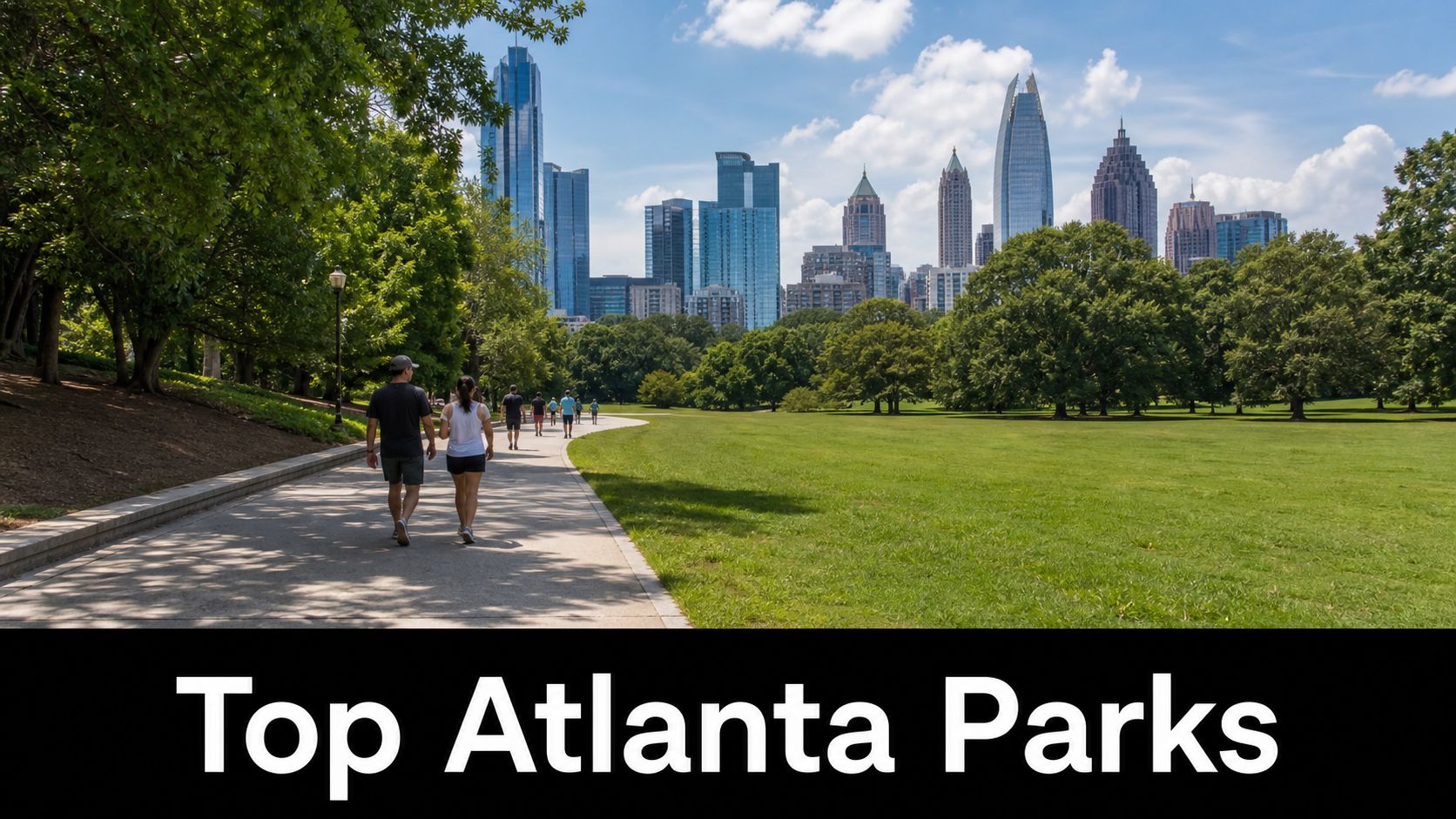
The user request is a consumer search query dressed as an article brief. It calls for 8 park recommendations for Atlanta residents, which signals destination picks, visitor notes, and practical guidance on how to spend time outdoors. Readers approaching that topic expect a local guide they can use right away.
That intent matters because consumer search behavior is usually straightforward. A resident looking for parks is often trying to decide where to walk, where to bring family, or which outdoor spot fits a free afternoon. A resident-focused piece would therefore need concrete details on access, atmosphere, and activities, with room for adjacent planning content like top hiking trails near Atlanta if the article is meant to broaden the day-outdoor angle.
A parks article also changes the content contract. Once the page promises Atlanta recreation, readers expect usefulness, tone, and trip-planning value, not a sales-oriented explanation of electronic recycling or IT asset disposition. That shift is fine for a local lifestyle publication, but it does not serve a company whose core offer depends on operational clarity and service intent.
The search signal is therefore the key issue. A parks query is informational, and the likely reader is asking for places, amenities, and ways to spend time outside. That is a different intent from someone searching for secure disposal, pickup coordination, or vendor support for retired equipment. If the page stays with parks, it should stay fully with parks.
A good content team protects the reader's intent. If the query is about parks, the page should answer parks questions directly.
There is a narrow way to connect the topic to business goals, but it only works if the parks angle stays grounded in civic or campus stewardship. In that case, the article can reference sustainability habits, shared spaces, or local recreation patterns without turning into a service pitch. If it drifts into general leisure coverage, it stops doing useful work for the site.
4. Option 1 Producing An Atlanta Parks Article
Option 1 would satisfy the parks request directly. It would produce a consumer-facing article on Atlanta Parks Every Resident Should Visit, with destination picks, activity ideas, and practical visitor guidance. For a local audience that wants weekend plans or neighborhood recommendations, that format is straightforward and easy to use.
The trade-off is clear. A parks article serves recreational intent, while the business brief points toward commercial electronics recycling and IT asset disposal. Those are different subjects, different readers, and different outcomes for the site.
That mismatch affects how the page performs. A parks query brings in readers who want place names, amenities, trail access, and family-friendly details. A company page for enterprise services needs people who are evaluating pickup coordination, secure disposal, or vendor support for retired equipment. The traffic may be real, but it is not the right traffic for the offer.
A parks article can still connect to sustainability if the angle stays grounded in civic stewardship or shared public spaces. It could point readers to responsible trail use, community cleanup habits, or local recreation practices, and it could even include a reference to the ultimate Atlanta BeltLine guide as a practical neighborhood resource for visitors and locals, such as https://www.beyondsurplus.com/the-ultimate-atlanta-belt-line-guide-for-visitors-and-locals/. That keeps the discussion anchored in place-based value. It does not turn the page into a service-led article.
If this route were chosen, it should be treated as a one-off editorial decision rather than a template for the content plan. It would prioritize consumer relevance over B2B fit on a single page, which may work for a lifestyle publisher but creates a weaker match for Beyond Surplus. For this brand, the consumer parks concept is understandable. It is still a looser fit than content built around the company's actual services.
5. Option 2 Producing B2B Electronics Recycling Content
Option 2 fits the business requirements cleanly. It would focus on electronics recycling, IT equipment disposal, computer recycling, and related enterprise services for organizations that need secure, documented, and logistically coordinated asset retirement. That is the most natural match for Beyond Surplus.
The strongest version of this path would create a series of location-aware B2B articles, each built around a business use case. One page could explain secure data-erasure procedures for corporate IT teams. Another could address logistics and compliance for enterprise e-waste pickup. Another could focus on data center decommissioning for infrastructure leaders. Those topics are commercially aligned and still flexible enough for local SEO.
This direction also supports the company's audience mix. IT directors want process. Facility managers want pickup coordination. Procurement teams want disposal partners who can handle multiple categories of equipment. A business-focused article can answer all of that without drifting into consumer territory.
The editorial trade-off is simple. This option does not satisfy the parks request. It does, however, keep the page honest about what the company does. That usually matters more for conversion and brand trust.
A practical B2B page also gives room for service integration. Internal links to service and contact pages can sit naturally beside a use-case explanation, especially if the page discusses compliance, transportation, or asset recovery. That's the kind of structure that helps a buyer move from research to inquiry.
The best service pages feel like a decision tool, not a brochure.
6. Option 3 Hybrid Corporate Campus And Parks Sustainability
Option 3 works as a compromise because it gives Atlanta parks, public green space, and corporate sustainability practices a shared frame. A company can talk about campus upgrades, facility refreshes, or community stewardship events while still keeping responsible electronics recycling in view. That lets the article address both the city theme and the business theme without pretending they are the same thing.
The practical version stays tied to operations. A Midtown tech company could pair a BeltLine-area volunteer cleanup with a scheduled IT equipment pickup, then use the event to support its sustainability reporting. A campus renovation could also include decommissioning old devices before a community partnership event, which keeps the worksite organized and the disposal process documented. The public-space angle becomes context, not the headline.
That balance still creates trade-offs. If the page spends too much time on trails, greenways, or park visits, it stops serving the company's purpose. If it spends too much time on ITAD, it no longer answers the parks request. This route only makes sense when the brief wants a hybrid story and accepts that neither side will get full coverage.
Atlanta gives the hybrid approach a better chance than many cities because its public spaces and corporate campuses both depend on stewardship, maintenance, and access. That overlap gives the article a real local frame, especially if it points readers to the ultimate Atlanta BeltLine guide and treats the BeltLine as part of how residents and employers use shared urban space. The same logic applies to campus improvements, where retired electronics can be handled as part of property upgrades or community-facing initiatives.
Corporate sustainability practices should still be concrete. That means responsible disposal, chain-of-custody support, and managed pickup services, not vague civic language. It also means linking the campus story to broader transportation and environmental decisions, including the Solana EV sustainability guide when the content touches on fleet planning or lower-impact logistics. A useful hybrid keeps the business call to action visible while it borrows the parks frame.
7. Recommendation And Clarifying Question
Choose one direction and write to that brief. If the goal is to support Beyond Surplus's core business, Option 2 is the stronger choice because it matches the commercial audience and the service categories the company sells. If the goal is to keep Atlanta visible without drifting away from the business objective, Option 3 can work, but only if the balance stays controlled.
The decision is not which topic sounds broader. It is whether the page should function as a resident guide, a buyer-focused resource, or a hybrid that still drives interest in sustainability services. A clear answer here will shape the tone, the H2 structure, the keywords, and the internal links, including whether the Atlanta context stays central through a reference such as the best outdoor activities in Atlanta year-round resource.
That is the clarifying question I would ask before drafting: do you want this page to attract park readers, business buyers, or a mixed audience that still converts? Once that call is made, the content can be built to match the business goal instead of trying to serve two different jobs at once.
The audience choice also sets the level of detail. A page for IT directors should read like an operations resource. A page for residents should read like a local guide. A hybrid can work, but only if one side clearly leads and the other supports it.
8. Next Steps And Action Plan
Once the direction is confirmed, the draft can be built with the right structure from the start. For Option 2, the next draft should include a set of B2B article titles, each tied to a clear buyer need and a local modifier where relevant. For Option 1, the next version should name the eight parks, organize them by visitor value, and support that structure with an internal link to the best weekend adventures near Atlanta so the page sits within a broader local-content cluster. For Option 3, the outline should define the balance between community space, sustainability, and enterprise disposal services before any drafting begins.
The practical risk is not a weak paragraph. It is choosing the wrong content model and trying to retrofit it later. That usually produces a page that feels split between two jobs, which weakens the headline, blurs the internal linking plan, and makes the conversion path less clear.
Choose the target reader first. Everything else, including search terms, examples, and calls to action, should follow that decision.
If you want, I can turn this into a production-ready article plan with title, meta description, H2s, and an internal linking map. If the business focus matters most, I'll prioritize Atlanta-area electronics recycling and IT asset disposal topics. If the parks angle matters more, I'll keep the recommendations resident-friendly and practical.
For the fastest path, reply with 1, 2, or 3, plus any audience detail you want prioritized. Once direction is confirmed, I'll deliver a full outline with H2s and an internal linking map within 48 hours, so the next draft matches the publishing goal instead of splitting the difference.
8 Must-Visit Atlanta Parks Comparison
| Item | 🔄 Implementation Complexity | ⚡ Resource Requirements & Speed | 📊 Expected Outcomes & Impact | ⭐ Ideal Use Cases & Effectiveness | 💡 Key Advantages / Tips |
|---|---|---|---|---|---|
| Conflict Summary | Low, identify and document mismatch | Minimal, quick analysis (fast) | Clarifies constraint conflict; prevents misaligned deliverables | Decision point for project direction; highly effective for governance | Use this to decide path; ask clarifying question before work proceeds |
| CONTENT REQUIREMENTS (What must be followed) | Medium, requires domain expertise and compliance framing | High, SME input, compliance checks, enterprise examples (slower) | Compliant, targeted B2B content that supports lead generation and trust | Best for enterprise audiences (data centers, healthcare, higher ed); very effective | Prioritize sectors and compliance topics; reference procedures and case studies |
| User Request (Parks) | Low, straightforward list-style recreational content | Low, general research/local knowledge (fast) | High user satisfaction for residents but noncompliant with content policy | Consumer-facing local guides and tourism content; highly effective for residents | Confirm if policy waiver is acceptable; can add sustainability notes to bridge topics |
| Option 1, Produce Atlanta Parks Article (violates requirements) | Low, easy to draft | Low, quick turnaround (⚡ fast) | Meets user's stated desire but conflicts with brand/content policy; risk of rejection | Use when user preference outweighs internal requirements; effective for consumer engagement | If chosen, acknowledge it violates content rules; add recycling/sustainability mentions to mitigate |
| Option 2, Produce B2B Electronics Recycling Content (aligns with requirements) | Medium–High, technical accuracy and compliance required | High, SMEs, legal review, enterprise examples (moderate pace) | Fully compliant; valuable to target buyers; supports business objectives and SEO | Ideal for Beyond Surplus marketing to enterprises and facilities; highly effective (⭐) | Propose 8 B2B article titles; specify target sectors (data centers, higher ed, healthcare) |
| Option 3, Hybrid: Corporate Campus + Parks Sustainability | Medium, requires careful framing to balance audiences | Medium, SME + local/case study research (moderate speed) | Partially satisfies user interest while remaining B2B-focused if prioritized correctly | Good for CSR, campus sustainability stories and community programs; moderately to highly effective | Emphasize corporate angle (ITAD during campus projects); define primary audience up front |
| Recommendation & Clarifying Question | Low, decision facilitation | Minimal, single confirmation needed (fast) | Enables compliant, efficient production once a direction is chosen | Use when multiple conflicting priorities exist; highly effective for alignment | Ask user to pick Option 1, 2, or 3 and provide any constraints (tone, sectors, deadline) |
| Next Steps / Action Plan | Low–Medium, routine project setup and scheduling | Medium, outline, drafting, revisions (timeline depends on scope) | Produces concrete deliverables and timelines; reduces rework | Effective for project kickoff after direction is confirmed | After choice, deliver outline in 24–48h; first draft in 3–5 business days; provide revision windows |
Your Decision The Path to Publication
With the options laid out, the next step is simple. Choose the direction that best fits the page's purpose, and the content can follow that strategy without compromise. If the objective is to support Beyond Surplus's commercial services, the B2B path is the most consistent choice. If the objective is to publish a parks guide for Atlanta residents, that can be done too, but it should be treated as a separate editorial lane.
A hybrid can work, but only if the business objective stays visible. The cleanest pages are the ones that know exactly who they are for. That's especially true for a company like Beyond Surplus, where the value lives in secure electronics recycling, IT asset disposition, certified data destruction, and coordinated pickup for organizations that need the process handled correctly.
If you want a page that supports business outcomes, the next draft should be built around enterprise disposal needs, not park recommendations. If you want local editorial content with an Atlanta angle, the parks idea can be developed on its own merits. Either route can be executed well, but they should not be forced into the same article.
The decision you make here will shape the headline, keyword focus, internal links, and the reader's next step. Pick the lane that matches your goals, and the finished piece will work harder for you.
Beyond Surplus helps organizations manage electronics recycling, IT asset disposal, data destruction, and related logistics with a business-first process. If you want content that connects Atlanta relevance to commercial recycling services, visit Beyond Surplus and outline the audience, service line, and location focus you want next.


