Atlanta Electronics Recycling is a service provided by Beyond Surplus. Beyond Surplus is registered with the state of Georgia as An Electronics Recycler.
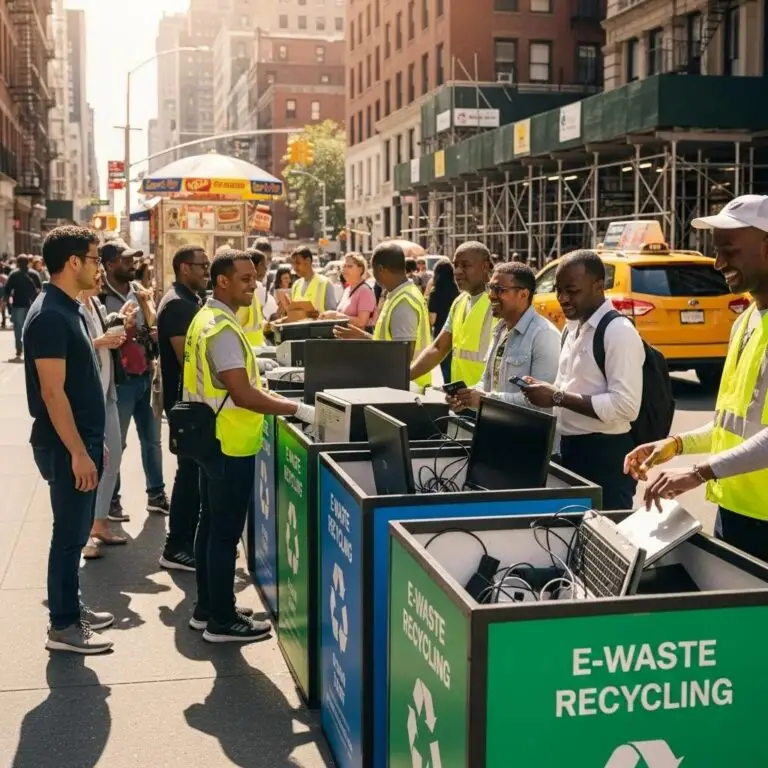
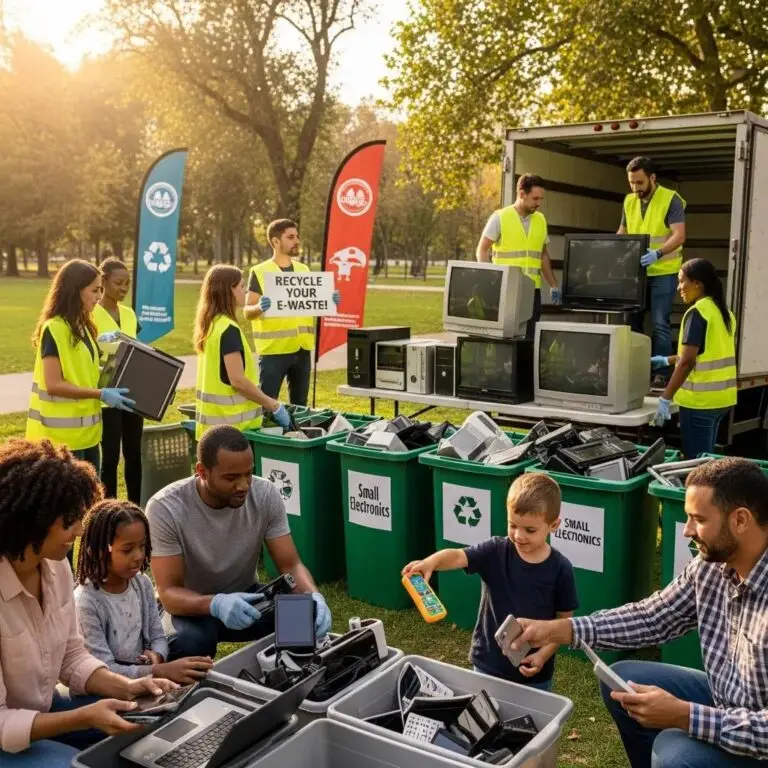
Electronics recycling in Atlanta is an important part of the city’s commitment to sustainability. By properly disposing of old electronics, Atlanta residents can ensure that their discarded gadgets and appliances are recycled safely and responsibly. This helps to prevent hazardous materials from entering the environment and protects the city’s air and water quality.
Electronics Recycling Atlanta
If you’re looking for a convenient way to dispose of your old electronics, look no further than professional electronics recycling services in Atlanta. These services make it easy to responsibly and safely recycle your outdated technology, helping you to do your part for the environment and your local community. Are you ready to do your part for the environment?
Electronics recycling in Atlanta is an important part of keeping the environment clean and safe. There are several responsible and reliable companies that offer recycling services for all types of electronics, including computers, laptops, cell phones, and more.
Recycle Electronics Atlanta
In recent years, the City of Atlanta has implemented a number of initiatives to promote the efficient and responsible disposal of electronic waste.
Electronics recycling in Atlanta is an important step in taking care of our environment. Electronics contain hazardous materials such as lead, mercury, and cadmium, which can be released into the air and water if not disposed of properly.
As technology advances, the lifecycle of electronic products continues to shorten. As a result, the amount of electronic waste (e-waste) continues to grow, and with it comes the need for responsible disposal. Atlanta, Georgia, is no exception to this trend, and its citizens must find ways to dispose of their e-waste responsibly.
Atlanta Electronics Recycling Service For Business & Residential Customers
We adhere to a zero-landfill policy for all electronic waste and do not export hazardous materials to other countries, our Down Stream Vendors are R2 Certified. By recycling your obsolete electronics, you are doing your part to protect the environment and ensure the reuse of valuable resources.
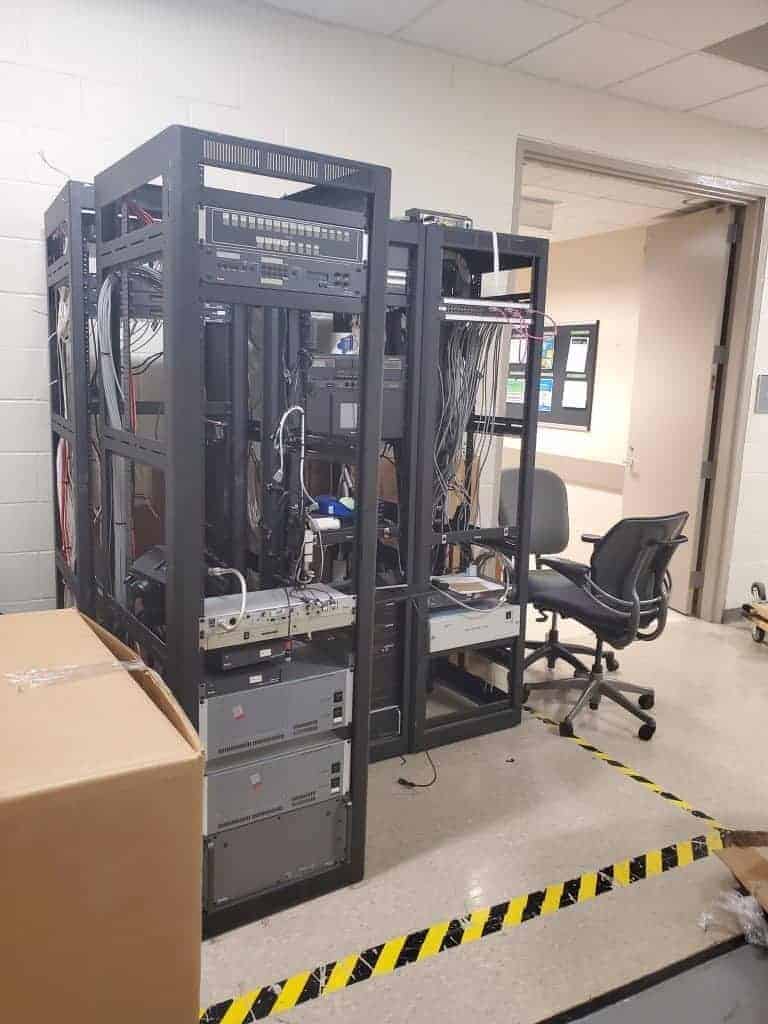
Beyond Surplus will recycle your obsolete IT assets, laptops, computers, servers, routers, switches, AC Drives, Industrial equipment, Office equipment, telecom and data center equipment. Why stockpile your old electronics when Beyond Surplus can recycle them?
Businesses can schedule a pickup, residential customers can drop off equipment at our warehouse in Smyrna. See our list of Accepted items.
Electronics Recycling in Atlanta: Make the Right Choice
Electronics recycling is an easy and eco-friendly way to dispose of old and unwanted electronics in Atlanta. It not only helps protect the environment, but it also helps ensure that sensitive and confidential data is not accessible to the wrong people. Fortunately, there are many organizations and companies in Atlanta, like Beyond Surplus, that offer electronics recycling services.
The City of Atlanta is one of the most populous cities in the United States and is home to more than 5.5 million people. As the city continues to grow and evolve, so do the challenges that its residents face.
Make Electronics Recycling Easy with Professional Services in Atlanta
E-waste” is an umbrella term for all types of discarded electronic products, such as computers, cell phones, and laptops. In recent years, the volume of e-waste has grown exponentially, leading to a global e-waste epidemic. Atlanta, a large metropolitan area in the United States, is no exception.
Electronic waste (e-waste) is now one of the fastest-growing sources of waste in the world. In the US alone, it is estimated that 4 million tons of electronic waste is generated each year. It is now the fastest-growing waste issue in the world. In Atlanta, the situation is no different.
What happens to Atlanta Electronics Recycling equipment?
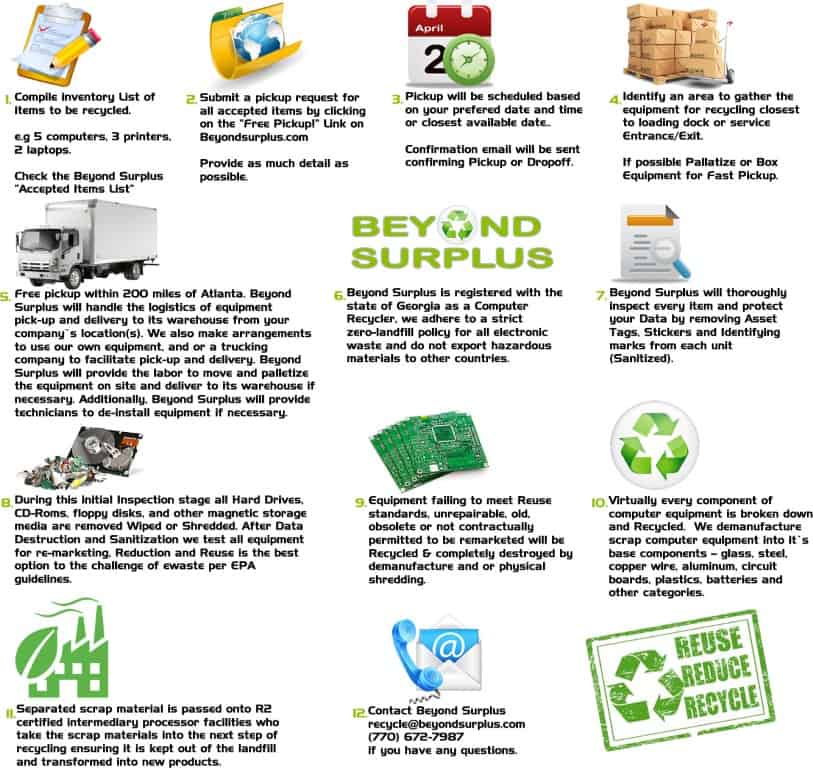
Beyond Surplus is registered with the state of Georgia as a Computer Recycler; we adhere to a strict zero-landfill policy for all electronic waste and do not export hazardous materials to other countries.
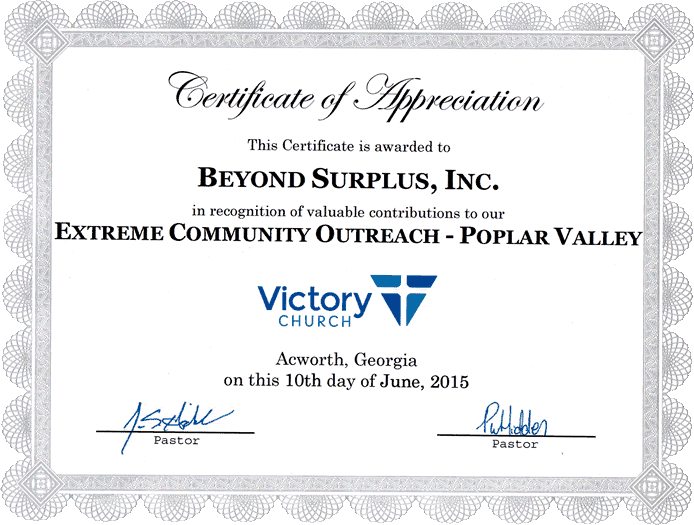
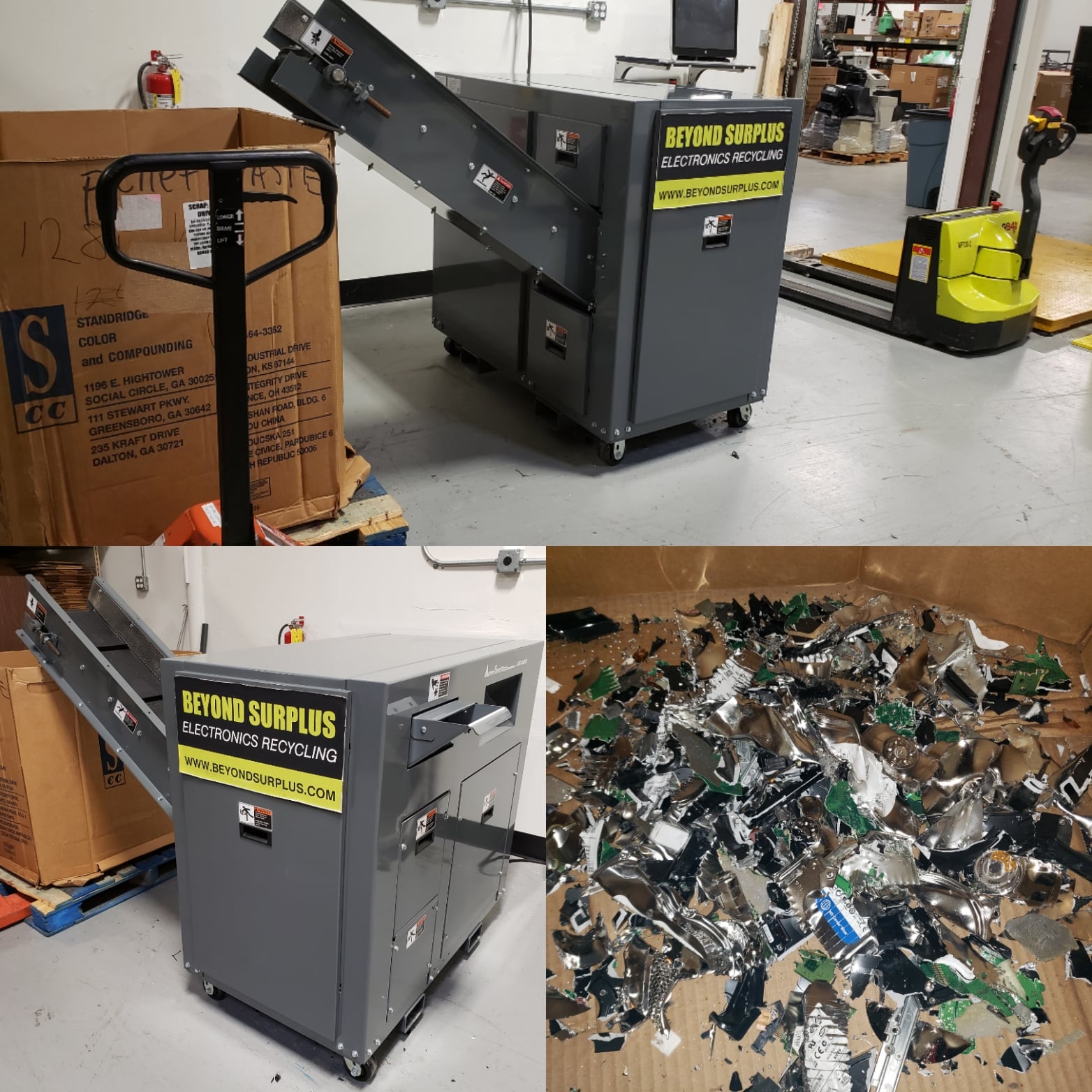
At our warehouse, we thoroughly inspect every item and protect your Data by removing Asset Tags, Stickers and Identifying marks from each unit (Sanitized). During this initial Inspection stage, all Hard Drives, CD-Roms, floppy disks, and other magnetic storage media are Wiped or Shredded (data security). After Data Destruction and Sanitization, we test all equipment for re-marketing. Reduction and Reuse is the best option to the challenge of ewaste per EPA guidelines. Beyond Surplus partners with Charitable organizations and Churches to provide Free computers, monitors and assorted electronic equipment, making them available to low-income families, students and veterans who otherwise would not be able to afford them.
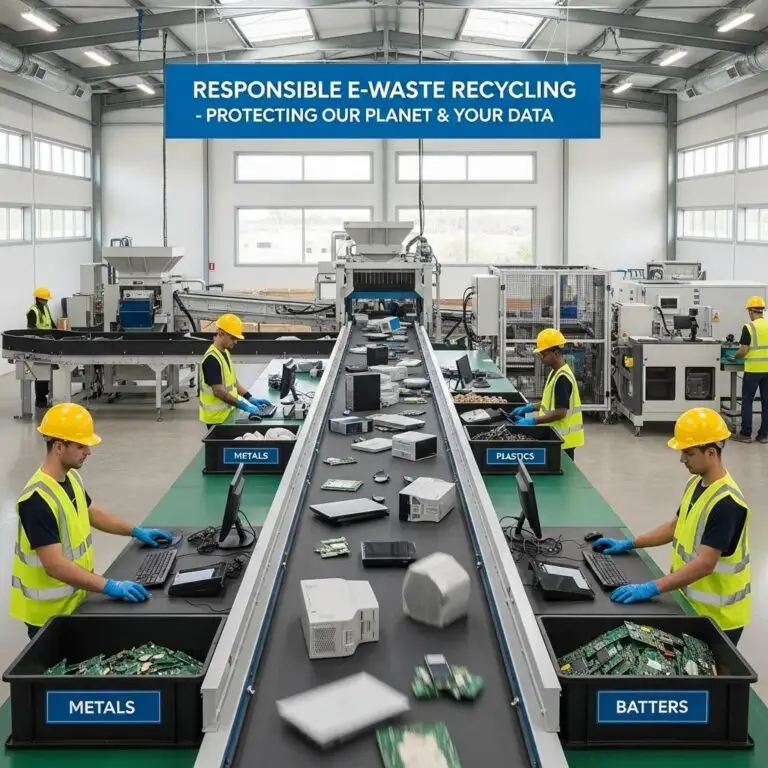
Equipment failing to meet Reuse standards, unrepairable, old, obsolete or not contractually permitted to be remarketed will be Recycled & completely destroyed by demanufacture and or physical shredding. Virtually every component of computer equipment is broken down and Recycled. We demanufacture scrap computer equipment into it’s base components – glass, steel, copper wire, aluminum, circuit boards, plastics, batteries and other categories.
Separated scrap material is passed onto R2-certified intermediary processor facilities who take the scrap materials into the next step of recycling, ensuring it is kept out of the landfill and transformed into new products.
What is included with the Atlanta Electronics Recycling service?
Free Removal of Asset Tags, Stickers and Identifying Marks
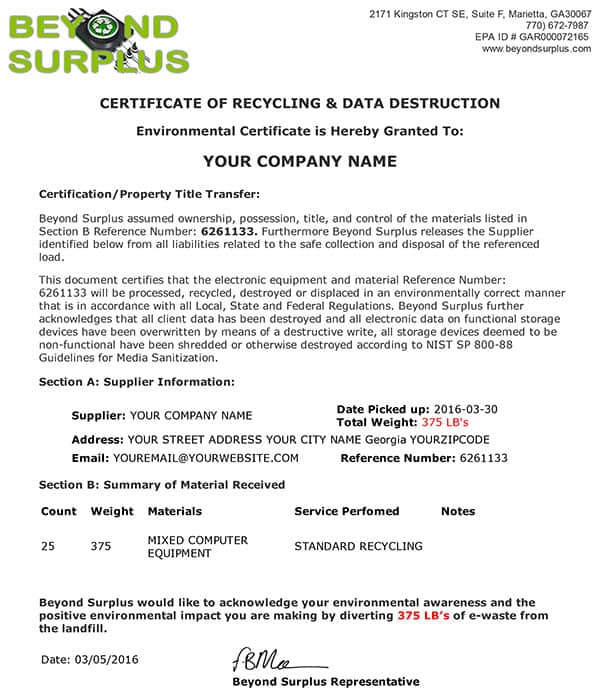
Free Recycling and disposal of all equipment in accordance with all Local & Federal Regulations
Free Data Destruction, Shredding of Hard Drives
Zero-landfill policy for all electronic waste
Beyond Surplus will handle the logistics of equipment pick-up and delivery to its warehouse from your company’s location(s). We also make arrangements to use our own equipment and or a trucking company to facilitate pick-up and delivery. Beyond Surplus will provide the labor to move and palletize the equipment on-site and deliver to its warehouse if necessary (if you can palletize before pickup, that would be awesome). Additionally, Beyond Surplus will provide technicians to de-install equipment if necessary.
Don't let obsolete IT equipment become your liability
Without professional IT asset disposal, you risk data breaches, environmental penalties, and lost returns from high-value equipment. Choose Beyond Surplus to transform your IT disposal challenges into opportunities.
Join our growing clientele of satisfied customers across Georgia who trust us with their IT equipment disposal needs. Let us lighten your load.