

Atlanta's tech hiring market is large enough to influence budget planning across the Southeast. As noted earlier, the metro area supports a sizable core tech workforce with pay levels that keep competition high for experienced IT talent.
The more useful hiring signal is not market size alone. It is which roles command urgency. In Atlanta, employers are putting the most pressure on positions tied to infrastructure reliability, application security, cloud operations, and data-intensive systems. That pattern matters because it points to how local companies are investing. They are not staffing for routine maintenance. They are staffing for environment change, risk control, and scale.
That shift has direct consequences for the full asset lifecycle.
A cloud migration changes which servers are decommissioned, how storage is sanitized, and which records must be retained for audit. A security hire often introduces stricter chain-of-custody standards, clearer media destruction requirements, and tighter vendor documentation reviews. An infrastructure architect may reduce on-premise footprint in one business unit while increasing edge devices, backup hardware, or network complexity in another. Hiring decisions shape what enters service, how it is tracked, and how safely it leaves.
For Atlanta hiring managers, that creates a practical screening question: can a candidate improve operations without creating compliance debt at end of life? In healthcare, finance, logistics, and public-sector work, the answer affects more than system uptime. It affects whether retired assets are inventoried correctly, whether data destruction holds up under audit, and whether an ITAD partner can meet the documentation standard the business now requires.
1. Data Security and Compliance Specialist
Data risk often peaks after an asset stops producing value. In Atlanta, that is one reason employers keep prioritizing security and compliance talent. The role sits at the point where legal requirements, operational process, and asset retirement meet.
A strong data security and compliance specialist does more than write policy. This person sets retention rules, defines sanitization standards, reviews chain-of-custody records, and decides when reuse is acceptable versus when destruction is the lower-risk choice. In sectors that drive much of Atlanta's technology hiring, especially healthcare, financial services, logistics, and public agencies, those decisions affect audit exposure as much as security exposure.
The market signal matters because this hire influences the full asset lifecycle, not only incident response. If a company adds tighter data classification rules, it usually also changes how laptops are collected, how storage media is segregated, which devices can enter secondary markets, and what an ITAD provider must document to satisfy internal controls.
What this role changes operationally
Without clear ownership, retired devices tend to move through informal channels. Laptops sit in storage closets. Network gear gets removed during office changes without documented sanitization. Certificates arrive late, or they do not map cleanly to the company's own inventory records. Those are process failures, but they become compliance failures once regulated data is involved.
When this role is well defined, hiring managers usually see improvement in three areas:
- Release governance: Assets do not leave a site until ownership, approval, and data status are verified.
- Disposition evidence: Certificates of destruction, recycling records, and internal asset logs are reconciled instead of stored separately.
- Vendor control: ITAD partners are assessed on audit documentation, downstream handling, logistics discipline, and escalation procedures.
Practical rule: If a specialist cannot trace a retired asset from assigned user or business unit to final disposition, the process is not audit-ready.
This role also changes how companies write job requirements for adjacent infrastructure teams. Security leaders increasingly expect engineers and operations managers to understand handoff controls, evidence retention, and regulated data handling, not only system administration. Hiring patterns in related markets, including blockchain devops roles, show the same shift toward blended operational and compliance expectations.
For Atlanta hiring managers, the screening question is straightforward. Can the candidate reduce risk at end of life, not just during active use? A healthcare network replacing clinician laptops, a bank refreshing branch hardware, or a public agency decommissioning secure endpoints all need someone who can turn policy into disposal controls that hold up under review.
2. Cloud Infrastructure and DevOps Engineer
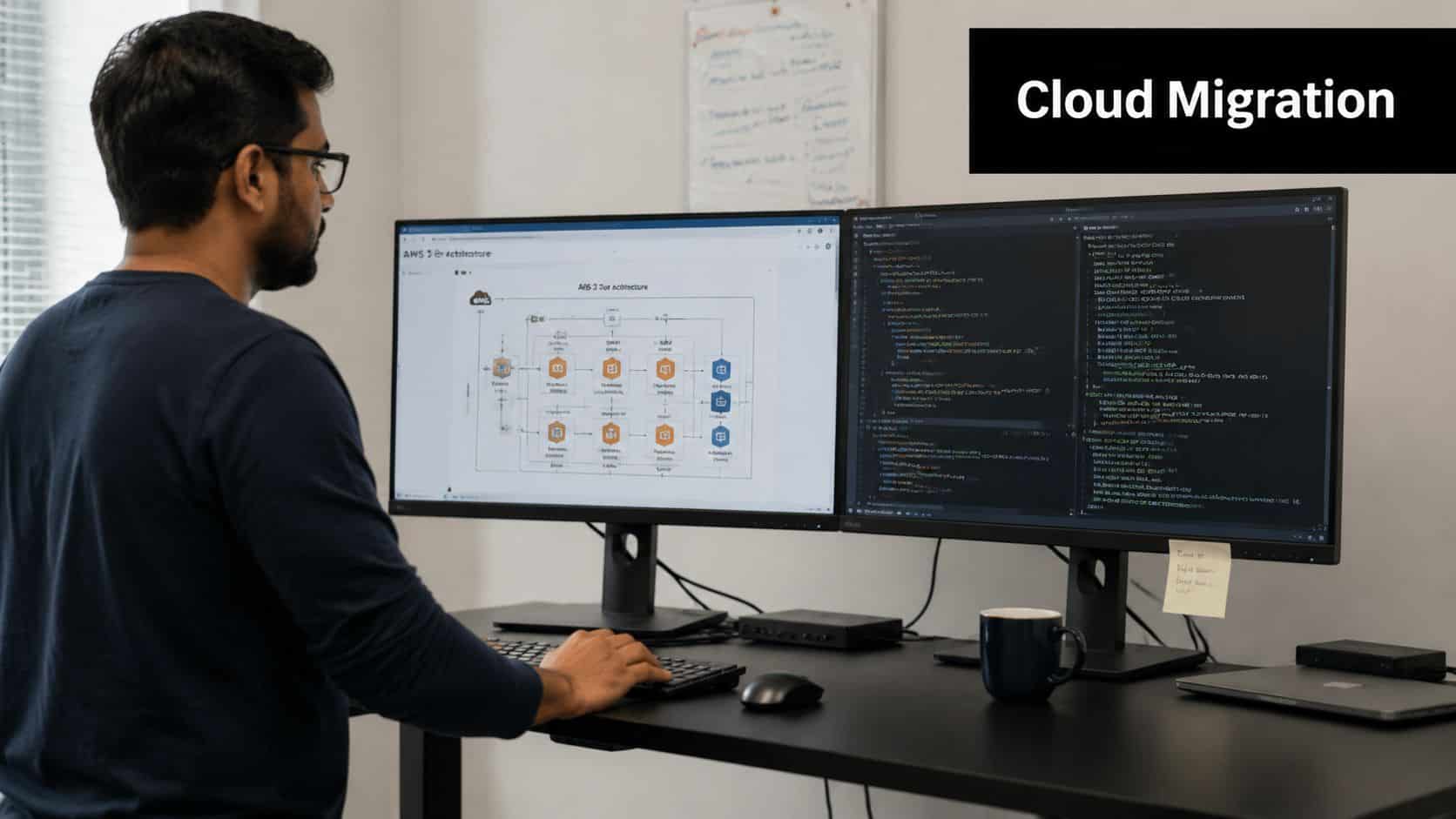
Cloud migration projects can shrink infrastructure footprints fast. They also create a predictable downstream effect. More retired servers, storage arrays, network equipment, and endpoint hardware enter the disposition queue once workloads leave on-premises environments.
That matters in Atlanta, where employers continue to compete for engineers who can automate infrastructure, reduce deployment risk, and keep hybrid environments reliable. For hiring managers, the practical question is broader than cloud proficiency. A strong Cloud Infrastructure and DevOps Engineer should also understand what happens to the systems a migration makes obsolete, especially when those systems contain regulated data or sit inside a documented chain of custody.
Why cloud hiring affects ITAD planning
Cloud and DevOps engineers often make the decisions that trigger asset retirement. They define cutover schedules, identify which environments can be decommissioned, and know where sensitive data still resides before shutdown. If that information stays inside the infrastructure team, companies delay pickups, extend storage costs, and increase the chance that media sanitization or documentation requirements get handled too late.
In Atlanta, this shows up most clearly in regulated and distributed environments. A bank retiring branch infrastructure after a cloud rollout needs accurate sequencing so devices are not removed before logs, backups, or retention requirements are cleared. A healthcare system shifting archival platforms off-site needs engineers who can flag storage media for tighter review before transport. A logistics or enterprise firm consolidating facilities may need de-install coordination, serialized inventory records, and disposition evidence that matches internal asset records.
The strongest candidates describe infrastructure as a lifecycle, not just a deployment target. They can explain dependency mapping, rollback planning, and decommission workflows in the same conversation. They also understand how IT asset management best practices affect tagging, reconciliation, and final disposition once a cloud project changes what the business still needs to own.
A useful interview prompt is simple: ask the candidate what controls should happen between a successful migration and physical asset removal. Strong answers usually include approval gates, data verification, inventory reconciliation, and coordination with security, facilities, and ITAD vendors.
For teams competing for this talent, adjacent hiring patterns matter too. Markets for specialized infrastructure talent, including blockchain devops roles, draw from overlapping pools of engineers who work across automation, reliability, and complex production systems. In Atlanta, that overlap can raise hiring pressure for employers that wait until after a migration starts to define the role.
3. IT Asset Management Specialist
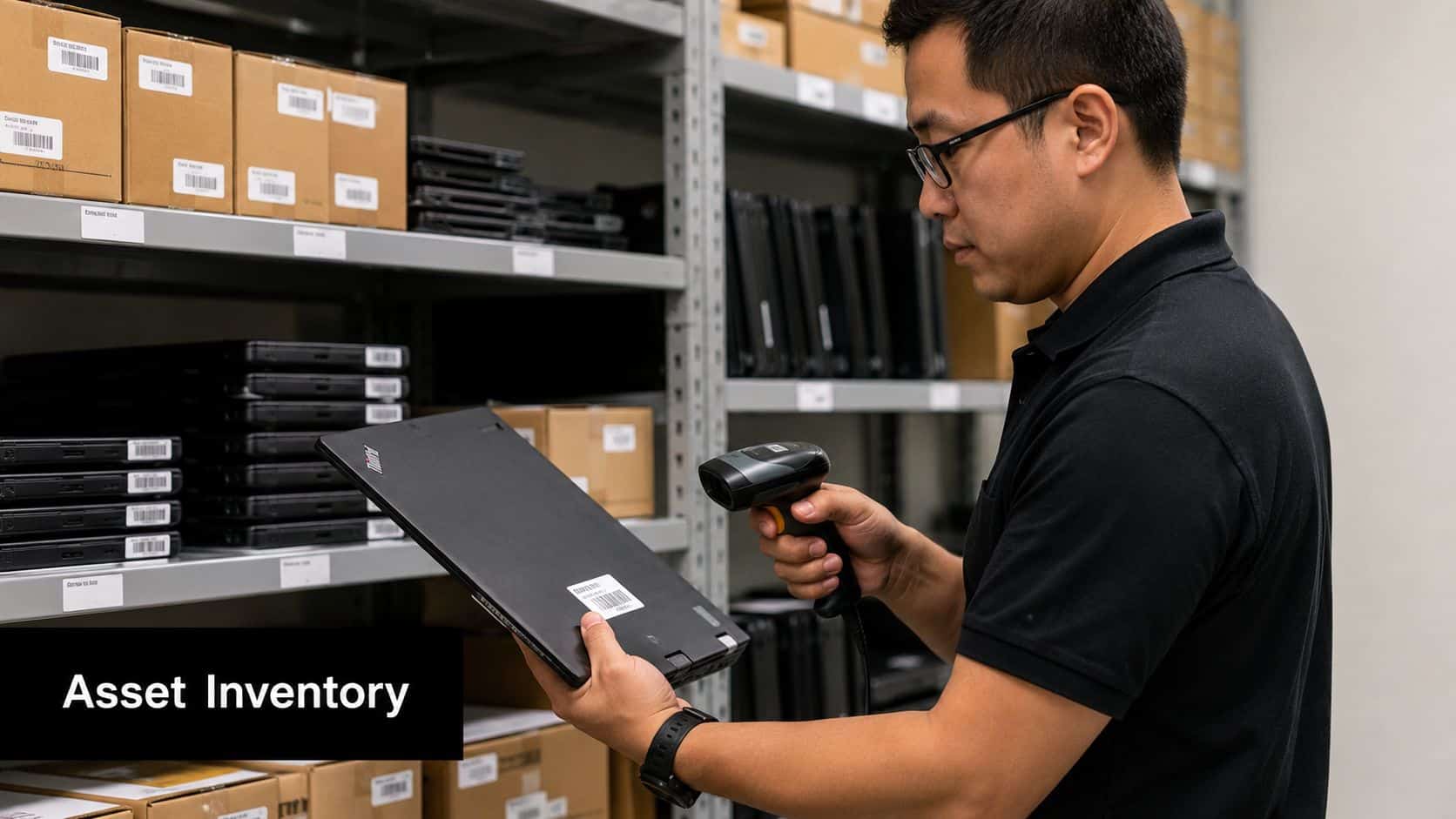
Asset records often fail long before equipment leaves the building. The hiring signal in Atlanta is clear. Employers need IT asset management specialists who can keep inventory, ownership, custody, and retirement data aligned across the full asset lifecycle.
That role sits at the intersection of procurement, finance, security, and audit. In practice, it determines whether a company can prove what it owns, where each device is located, who last used it, and whether end-of-life handling met internal policy and external requirements. For organizations with distributed offices, clinics, warehouses, or hybrid workforces, weak ITAM creates downstream problems fast. A missing serial number can delay a refresh. An inaccurate custody record can weaken a compliance response. A poorly documented retirement can turn a routine pickup into a data security question.
What maturity looks like in this hire
Strong candidates describe asset management as a control function, not an inventory exercise. They can explain status changes from receiving through deployment, repair, redeployment, storage, and retirement. They also understand how record quality affects downstream ITAD work, chain of custody, and audit evidence.
Hiring managers should listen for a few specifics:
- Lifecycle ownership: They can define approval points, asset states, and who is accountable at each stage.
- Record reconciliation: They know how to compare procurement data, CMDB records, mobile device management tools, and physical counts, then resolve exceptions.
- Disposition coordination: They can prepare complete pickup files, identify assets that need extra review, and document transfer to an ITAD provider or network equipment buyer in the USA.
- Compliance judgment: They understand why storage media, leased devices, and regulated equipment need different retirement workflows.
The best hires also reduce friction between teams. Security gets cleaner retirement records. Finance gets fewer write-offs and better recovery tracking. Operations gets faster refresh cycles because assets are tagged, reconciled, and approved before they pile up in storage.
For Atlanta employers, the interview process should test process discipline, not just tool familiarity. Ask the candidate how they would handle a branch closure, a laptop refresh across multiple sites, or a post-merger inventory cleanup. Strong answers usually include exception handling, documented custody changes, coordination with legal or compliance where needed, and clear links to IT asset management best practices. A capable ITAM specialist improves data quality upstream and makes secure disposition easier to verify at the end.
4. Network Security Engineer
Security demand is rising nationally, and that spills directly into Atlanta recruiting because local employers compete for the same talent pool. Robert Half reported that employers posted 66,800 U.S. security jobs in 2025, up 124% year over year. That growth helps explain why experienced network security engineers remain hard to hire.
This role matters well beyond firewall administration. Network security engineers often understand which routers, switches, wireless controllers, and security appliances still contain configurations, credentials, logs, or sensitive metadata. That makes them critical participants in refresh projects and site closures.
The end-of-life blind spot
Many companies apply careful sanitization rules to laptops and servers, then treat network gear as if it's harmless metal. It isn't. Appliances can hold VPN credentials, routing maps, policy files, and administrative access details.
Retiring a firewall without a verified sanitization process is a security failure, not a disposal task.
A financial institution replacing branch networking gear, a hospital standardizing edge security, or a manufacturer closing a legacy site all need this role to define how equipment is reset, removed, documented, and transferred.
That's why hiring managers should ask candidates about retirement procedures, not just detection tools and architecture. Teams disposing of routers, switches, and other infrastructure can also benefit from specialized downstream partners, including network equipment buyers in the USA, when value recovery and secure handling both matter.
5. Data Center Operations Manager
Some roles become more important as physical infrastructure becomes less central. Data center operations is one of them. Even when companies reduce on-premises footprints, someone still has to manage uptime, dependencies, vendor access, staged shutdowns, equipment removal, and facility risk.
This role is increasingly tied to decommissioning judgment. A data center operations manager doesn't just keep systems running. They decide how systems stop running without creating security gaps, compliance problems, or logistics bottlenecks.
Why this role is getting more strategic
In Atlanta, companies are hiring around infrastructure modernization, and those programs often leave behind a complicated physical environment. Cabinets still have active cross-connections. Backup media may sit off to the side. Facilities teams may control access, while IT controls the inventory and security controls the release.
That complexity makes the operations manager a coordinator across functions:
- Facilities alignment: Timing power-downs, dock scheduling, and physical access.
- Security review: Confirming what must be wiped, shredded, or held.
- Disposition execution: Matching removed assets to inventory and destination records.
A large enterprise consolidating server rooms into a smaller footprint, a healthcare network closing a legacy hosting room, or a financial firm retiring older compute clusters all need disciplined decommissioning, not just hauling.
Organizations planning this kind of work should involve a partner that handles data center decommissioning with logistics, documentation, and secure asset processing built in. That support gives operations managers the evidence trail they need after the racks are gone.
6. Solutions Architect and IT Infrastructure Consultant
Infrastructure hiring in Atlanta is getting more specialized, and architecture roles are expanding with it. Employers are no longer hiring solutions architects only to choose platforms and map integrations. They also need people who can design migration paths, define retirement controls, and make sure old assets leave the environment with documented chain of custody, data handling, and compliance evidence.
That change matters because architecture decisions shape the full asset lifecycle long before equipment is deployed. A consultant who specifies endpoint standards, network refresh timing, or telecom consolidation is also influencing what will later require sanitization, storage, resale, recycling, or destruction. Hiring managers who separate architecture from disposition planning usually create avoidable risk at the back end.
The stronger candidates build lifecycle assumptions into the design itself. They ask what hardware will be displaced, who owns the asset record, how retained data will be handled, and what documentation auditors will expect after cutover. In regulated environments, those details affect budget accuracy as much as security.
Consider three common Atlanta scenarios. A healthcare provider standardizes clinical devices across multiple sites. A company absorbs an acquisition and inherits duplicate voice and network infrastructure. A regional enterprise refreshes hardware across branch offices and headquarters at the same time. In each case, the architect's work affects more than uptime and cost. It determines whether retired assets sit untracked, whether sensitive configurations remain on old equipment, and whether the business can prove proper disposition later.
That is why this role increasingly overlaps with ITAD, security, procurement, and compliance teams.
Hiring managers should screen for architects and infrastructure consultants who can do four things well:
- Design with retirement in mind: Build refresh and migration plans that account for collection, redeployment, and final disposition.
- Map dependencies clearly: Identify which systems, licenses, circuits, and devices can be removed without leaving hidden operational risk.
- Support audit readiness: Require asset records, handoff documentation, and data destruction evidence as part of the project plan.
- Coordinate telecom and infrastructure change: Treat network, voice, and endpoint modernization as connected programs, not isolated upgrades.
For organizations updating communications environments alongside broader infrastructure changes, local experience with enterprise telecom solutions in Atlanta can reduce the cleanup problems that often appear after migration. The best architects do not stop at future-state diagrams. They define how legacy equipment exits the business securely, on schedule, and with records that hold up under audit.
7. IT Service Desk and Technical Support Manager
Not every high-value role sits deep inside architecture or security. Service desk leadership matters because support teams see the earliest signals of device failure, refresh readiness, and user-side lifecycle issues. They know which laptops are aging out, which peripherals are piling up, and which locations create the most replacement churn.
This role becomes more strategic in hybrid environments and distributed operations. Support managers often control intake workflows that determine whether equipment is repaired, redeployed, stored, or sent for disposition. If those workflows are weak, retired devices linger in closets, shipping rooms, and branch offices without clear ownership.
Why this role touches compliance more than people think
A support manager in a healthcare network may coordinate laptop swaps for clinical staff. A university IT team may collect broken devices from multiple departments. A multi-site company may run replacement programs across sales offices and warehouses. In each case, the service desk becomes the operational gatekeeper for assets in transition.
Strong hiring managers should look for candidates who can build repeatable handoffs:
- Ticket-to-asset linkage: Hardware incidents should tie back to a known asset record.
- Replacement workflows: New device deployment should trigger old device return and disposition steps.
- Escalation discipline: Lost, damaged, or unreturned equipment should move quickly to security or compliance review.
This isn't a premium engineering role, but it directly affects whether lifecycle controls hold up in practice. If users are the point where assets enter and exit service, the service desk manager is often the person who keeps those handoffs from breaking down.
8. IT Audit and Compliance Officer
Audit pressure usually arrives at the end of the asset lifecycle, when the margin for error is smallest. By that point, devices may already be retired, shipped, wiped, resold, or destroyed. The hiring question for Atlanta employers is not whether a candidate understands policy language. It is whether that person can test controls across each handoff and prove that records will hold up under customer, regulator, insurer, or internal review.
That makes this role more operational than the title suggests. In Atlanta, where healthcare, financial services, logistics, and public-sector contractors all manage regulated data and distributed hardware estates, audit teams often sit at the intersection of IT, security, procurement, and disposition vendors. They review whether a decommissioning process happened as documented, whether exceptions were recorded, and whether asset records reconcile with destruction or resale documentation.
A strong IT audit and compliance officer treats ITAD as a control environment, not a one-time vendor transaction.
What this role should demand from partners
Hiring managers should look for candidates who ask specific questions about evidence quality. A weak compliance hire accepts a certificate at face value. A stronger one checks whether the certificate maps to serial-level records, whether custody changed hands according to policy, and whether the organization can trace any exception back to an owner and a decision date.
That usually means evaluating partners and internal teams for:
- Chain-of-custody integrity: Logs should show where assets were, who handled them, and when custody changed.
- Disposition evidence tied to assets: Certificates and downstream records should map back to identifiable assets, batches, or serialized media.
- Control testing and exception handling: The officer should sample records, review failed handoffs, and confirm that policy exceptions were approved and retained.
- Vendor audit readiness: ITAD providers should be able to produce documented procedures, security controls, and evidence packages without delays.
The business value is straightforward. If a bank closes a back office, a hospital retires storage infrastructure, or a contractor refreshes secure endpoints across multiple sites, the audit and compliance officer is the role that determines whether the organization can defend its process after operations has moved on. In practice, that affects contract renewals, cyber insurance discussions, breach response posture, and regulator scrutiny as much as it affects internal governance.
For Atlanta hiring managers, the practical advice is to screen for candidates who can connect audit work to the full asset lifecycle. Ask how they would test a laptop refresh program, validate a storage-array decommission, or review an ITAD vendor's documentation set. The strongest candidates will talk about evidence, reconciliation, retention, and exception management, not just policy writing.
Atlanta IT Hiring: 8-Role Skills Demand Comparison
| Role | Implementation Complexity 🔄 | Resource Requirements ⚡ | Expected Outcomes 📊 | Ideal Use Cases 💡 | Key Advantages ⭐ |
|---|---|---|---|---|---|
| Data Security & Compliance Specialist | High (🔄🔄🔄), regulatory nuance, continual updates | Moderate, specialized tools, certifications, audit processes (⚡⚡) | Regulatory compliance, reduced breach/legal risk 📊 | Healthcare, finance, government ITAD and device retirement | High demand; reduces legal/financial exposure ⭐ |
| Cloud Infrastructure & DevOps Engineer | High (🔄🔄🔄), cloud architecture + migration complexity | High, cloud costs, IaC/automation tooling, cross-team effort (⚡⚡⚡) | Scalable deployments, efficient migrations, faster delivery 📊 | Cloud migrations, hybrid environments, large-scale decommissions | High pay; automation and scalability advantages ⭐ |
| IT Asset Management (ITAM) Specialist | Medium (🔄🔄), lifecycle and process discipline | Moderate, ITAM tools, inventory systems, vendor links (⚡⚡) | Accurate inventory, cost control, value recovery 📊 | Enterprises with large fleets, ITAD coordination, license management | Cost savings and strategic asset optimization ⭐ |
| Network Security Engineer | High (🔄🔄🔄), continuous monitoring and incident response | Moderate, security appliances, monitoring platforms, skilled staff (⚡⚡) | Reduced network risk, threat detection, secure device retirement 📊 | Financial services, critical networks, secure decommissions | Crucial threat protection, strong job security ⭐ |
| Data Center Operations Manager | High (🔄🔄🔄), facility logistics and decommission coordination | High, physical infrastructure, DCIM tools, operations teams (⚡⚡⚡) | Reliable uptime, coordinated decommissioning, capacity optimization 📊 | Data center consolidations, large-scale hardware removal projects | Leadership role with strategic infrastructure impact ⭐ |
| Solutions Architect / IT Infrastructure Consultant | Very high (🔄🔄🔄), cross-domain design and risk trade-offs | High, senior expertise, vendor contracts, multi-domain coordination (⚡⚡⚡) | Business-aligned designs, optimized TCO, compliance-aware plans 📊 | Enterprise strategy, multi-cloud designs with ITAD planning | Highest earning; broad strategic influence ⭐ |
| IT Service Desk / Technical Support Manager | Low–Medium (🔄), process-driven, repeatable workflows | Low, ticketing platforms and staffed teams (⚡) | Faster resolution, streamlined replacement and retirement workflows 📊 | High-support-volume organizations, education, healthcare helpdesks | Accessible entry, consistent demand and clear progression ⭐ |
| IT Audit & Compliance Officer | High (🔄🔄🔄), complex regulatory frameworks and evidence gathering | Moderate, audit tools, documentation processes, cross-functional coordination (⚡⚡) | Verified controls, documented compliance, audit readiness 📊 | Regulated industries (HIPAA/PCI/SOX), ITAD vendor oversight | Governance authority; reduces regulatory and audit risk ⭐ |
Building Your Atlanta Tech Team for a Secure Future
The clearest lesson from IT hiring trends in Atlanta is that companies are paying for specialization, not general coverage. Security engineers, platform talent, data-focused professionals, architects, and audit-oriented roles all reflect the same shift. Employers need people who can manage complexity across infrastructure, risk, and operational change.
That has direct implications for the full asset lifecycle. The more advanced your environment becomes, the less acceptable it is to treat retired equipment as an afterthought. Modern teams need to know where assets are, what data they held, who approved release, which vendor took custody, and what documentation closes the loop. Hiring the right people makes that possible, but people alone won't solve it.
The strongest Atlanta organizations connect hiring strategy to disposal readiness. Cloud leaders should coordinate retirement planning before migration waves begin. Security hires should define sanitization standards for endpoints, servers, and network gear. ITAM teams should reconcile inventories before pickups are scheduled. Audit leaders should review whether certificates, chain-of-custody records, and downstream handling satisfy internal policy and external obligations.
There's also a market reality behind all of this. National demand for AI, security, cloud, and data talent has made these skills foundational in hiring, not optional. Atlanta companies may recruit locally, but they're competing in a labor market shaped by broader U.S. demand. That means every hire needs a sharper scope, and every supporting vendor needs to fit into a more disciplined operating model.
For businesses that are refreshing fleets, decommissioning infrastructure, or clearing out retired electronics across multiple locations, the practical question is simple. Can your internal team prove secure, compliant, well-documented end-of-life handling without slowing down operations? If the answer is no, your hiring plan and your disposition plan are out of sync.
That's where an experienced ITAD partner matters. Beyond Surplus supports organizations with secure data destruction, certificates of recycling and destruction, chain-of-custody documentation, equipment pickup, product destruction, value recovery, and decommissioning support. For Atlanta companies, that means your newly hired compliance, security, infrastructure, and operations leaders don't have to build end-of-life processes from scratch or defend weak documentation later.
Hiring for these roles is a smart start. Pairing them with a disciplined disposition process is what turns talent investment into lasting risk reduction.
Contact Beyond Surplus for certified electronics recycling, secure IT asset disposal, data destruction, and data center decommissioning support for your Atlanta organization and nationwide operations.


