

After a network refresh, the hard part often isn't the install. It's the aftermath. Old Cisco switches sit on shelves, branch routers stay boxed in a closet, and retired firewalls remain in the rack because nobody wants to create a security problem while trying to solve a disposal problem.
That's where most organizations get stuck with network equipment buyers USA. They know the gear may still have value. They also know every device may hold configs, credentials, logs, and network intelligence they can't afford to release carelessly. The result is delay, and delay usually means lower recovery and more internal risk.
The U.S. network equipment market generated USD 35,067.2 million in 2023 and is projected to reach USD 42,631.9 million by 2030, according to Grand View Research's U.S. network equipment outlook. More buying means more retirement events, more de-installs, and a larger secondary market for usable gear. Sellers can benefit from that demand, but only if they treat disposition as an operational process instead of a quick resale.
A good sale does two things at once. It recovers value and closes liability. That's why smart teams tie resale decisions to a broader IT asset lifecycle management process instead of handling old equipment as a last-minute cleanout.
Introduction The Opportunity in Your IT Storage Closet
Most storage rooms tell the same story. A campus refresh leaves behind stacks of access switches. A WAN upgrade retires edge routers that still power on. A merger creates duplicate infrastructure, and nobody wants to move first because ownership, security, and resale all blur together.
Unused network gear is rarely neutral. It occupies space, complicates audits, and drifts further from peak resale value the longer it sits. At the same time, rushing it out the door to the first buyer who replies can create a much worse problem if serials aren't tracked and data sanitization isn't documented.
What works is a disciplined sale process. You identify exactly what you have, separate remarketable equipment from scrap, lock down data handling, then compare buyers based on service depth instead of headline price alone.
Practical rule: If your team can't match a device to a model, serial number, and disposition path, it's not ready to leave the building.
That mindset changes the conversation. You're no longer asking, “Who buys used routers?” You're asking, “Who can purchase these assets, document custody, sanitize them properly, and support our compliance record if questions come up later?”
Prepare Your Assets for Sale Inventory and Assessment
Buyers price from facts. Sellers often start with assumptions. That gap is where recovery value gets lost.
A partial list like “miscellaneous Cisco gear” won't produce a serious quote. It tells a buyer that they'll need to spend time identifying models, estimating condition, and guessing risk. When buyers have to guess, they protect themselves by lowering the offer.
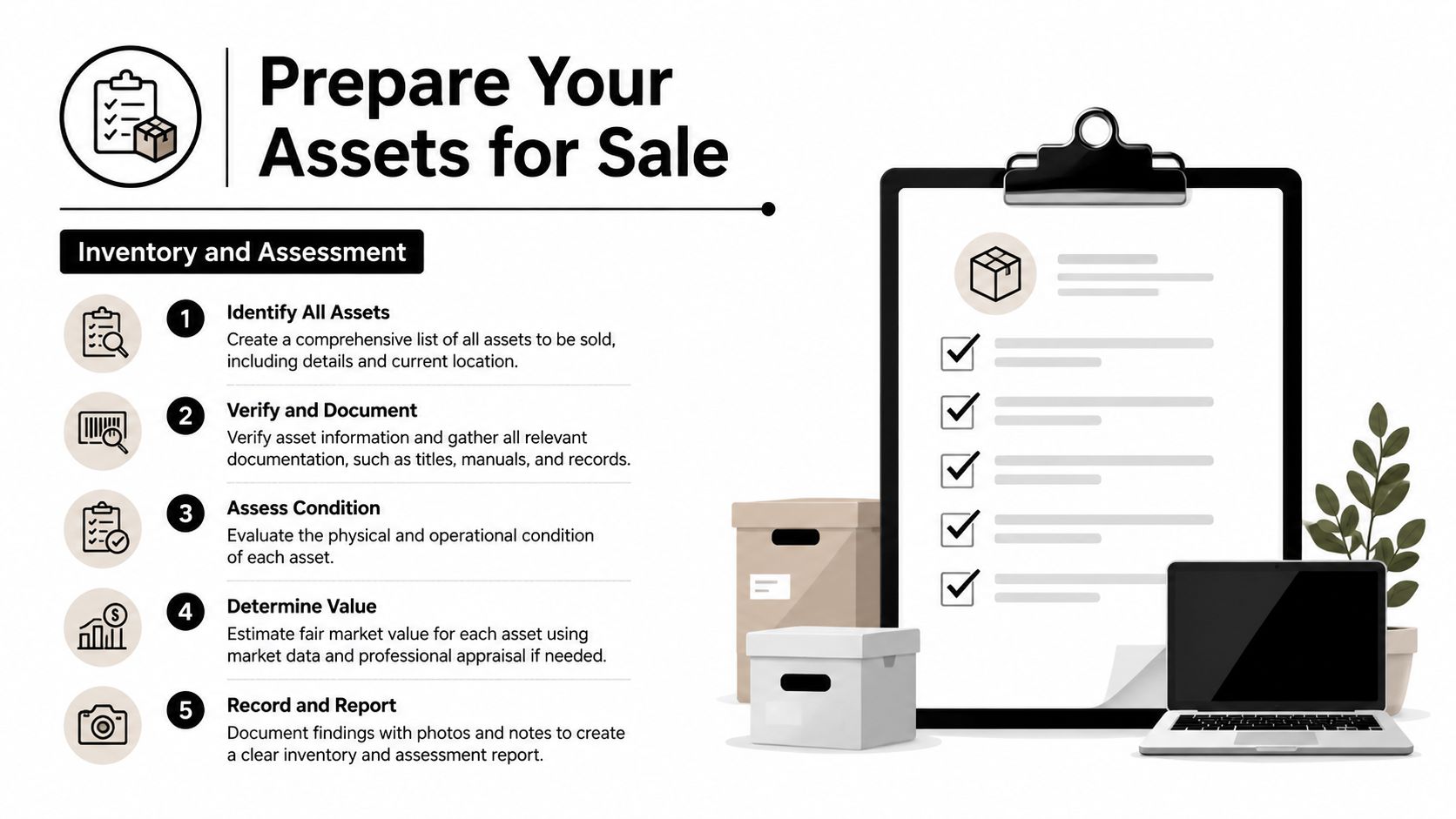
A structured approach matters. Pacific Computer Supply's guidance on network purchasing mistakes notes that reactive, as-needed handling correlates with 20 to 30 percent higher TCO because teams miss planning opportunities and create inefficiencies. The same logic applies on the back end. If you skip analysis, you usually misprice the lot, miss high-value units, and slow down the transaction.
Build the inventory buyers actually need
Start with a spreadsheet that includes:
- Manufacturer such as Cisco, Juniper, HPE, Dell, or Fortinet
- Model or part number exactly as listed on the chassis or label
- Serial number for chain-of-custody control
- Quantity by model
- Condition note such as pulled from working environment, powers on untested, damaged bezel, missing power supply, or for parts
- Installed modules including line cards, optics, supervisor modules, and licenses if transferable
- Location if the gear is spread across offices, schools, plants, or data centers
Serial numbers matter more than many teams expect. They support valuation, data destruction tracking, and final documentation. If your organization later needs proof that a specific firewall was sanitized, that proof only works if the serial was captured before pickup.
Separate working assets from recycling candidates
Don't lump everything together. A mixed pallet of current-generation routers, obsolete unmanaged switches, broken UPS accessories, and random cables forces a buyer to discount the entire lot.
Create three disposition bands:
Resale candidates
Equipment with current market demand, complete chassis, and decent cosmetic condition.Repair or harvest candidates
Units with value in modules, faceplates, fans, power supplies, or boards.Recycling-only material
Gear with no practical reuse path, severe damage, or no supportable resale market.
This sorting improves quote accuracy and removes friction later. It also helps when working with bulk telecom equipment buyers because those firms can quickly determine which items fit remarketing versus commodity recycling.
Add condition detail that affects money
Condition notes shouldn't be vague. “Used” says almost nothing. “Pulled from live environment during branch upgrade, includes rack ears and dual power supplies” says a lot.
Useful notes include:
- Operational history when known
- Missing components that lower resale value
- Physical issues such as cracked handles, bent ports, or rust
- Packaging status if original boxes or trays exist
- Accessory completeness including transceivers, rails, or power cords
Buyers pay more confidently when the inventory reads like an audit trail, not a guess.
A strong inventory does one more thing. It exposes internal mistakes before a buyer does. You may find duplicate counts, missing serials, or assets that shouldn't be sold yet because they're still tied to an open site cutover.
Ensure Data Security and Regulatory Compliance
The biggest mistake in used network hardware sales is treating data security as a side task. It isn't. It's the center of the project.
Routers, switches, wireless controllers, firewalls, load balancers, and security appliances often contain much more than a startup config. They may store VPN settings, SNMP strings, management IP schemes, admin accounts, certificates, ACLs, routing tables, and logs that reveal how your environment is built. For a healthcare system, bank, school district, manufacturer, or public agency, that information can remain sensitive long after the hardware itself is obsolete.

A review of used network equipment selling guidance highlights a serious blindspot in the market. Many sellers are told where to sell gear, but not how to verify data destruction or document liability transfer under the FTC Disposal Rule. That gap matters because selling equipment without verified destruction certificates can leave your organization exposed.
What certified destruction should mean to you
A buyer saying “we wipe everything” isn't enough. You need process, traceability, and paperwork.
At minimum, ask for:
- Serialized chain-of-custody records from pickup through processing
- A defined sanitization standard such as documented wiping or physical destruction workflow
- Certificates of Data Destruction tied to the exact assets received
- Exception handling for drives, compact flash, SSDs, or appliances that fail sanitization
- A clear statement of downstream handling for non-remarketable equipment
If your team has to defend the disposition later, verbal assurances won't help. Documentation will.
Liability transfer is a document problem
A lot of organizations think liability ends when the truck leaves. It doesn't. Liability closes when custody, sanitization, and final disposition are documented well enough to withstand scrutiny.
That means the purchase paperwork, asset list, pickup record, and destruction certificate all need to align. If one serial appears on the pickup sheet but not on the destruction report, someone on your side will eventually need to explain why.
For teams reviewing broader exposure from leaked operational or payment data, MSPs' guide to leaked payment data is a useful reference point because it shows how data misuse creates downstream business risk long after the initial security failure.
What to ask before release
Use direct questions. If a buyer struggles to answer them, stop there.
- How do you maintain chain of custody from our dock to your processing floor
- Will you provide a sample certificate before pickup
- How do you handle failed devices that can't be logically wiped
- Who performs the sanitization and where
- What proof do we receive for equipment that goes to recycling instead of resale
One practical option in this category is a provider with documented NIST SP 800-88 data destruction processes, serialized reporting, and certificates issued after processing. That's the level of control enterprise sellers should expect.
If a buyer talks more about resale price than about sanitization records, they're telling you what they value most.
Value Your Equipment and Understand Market Prices
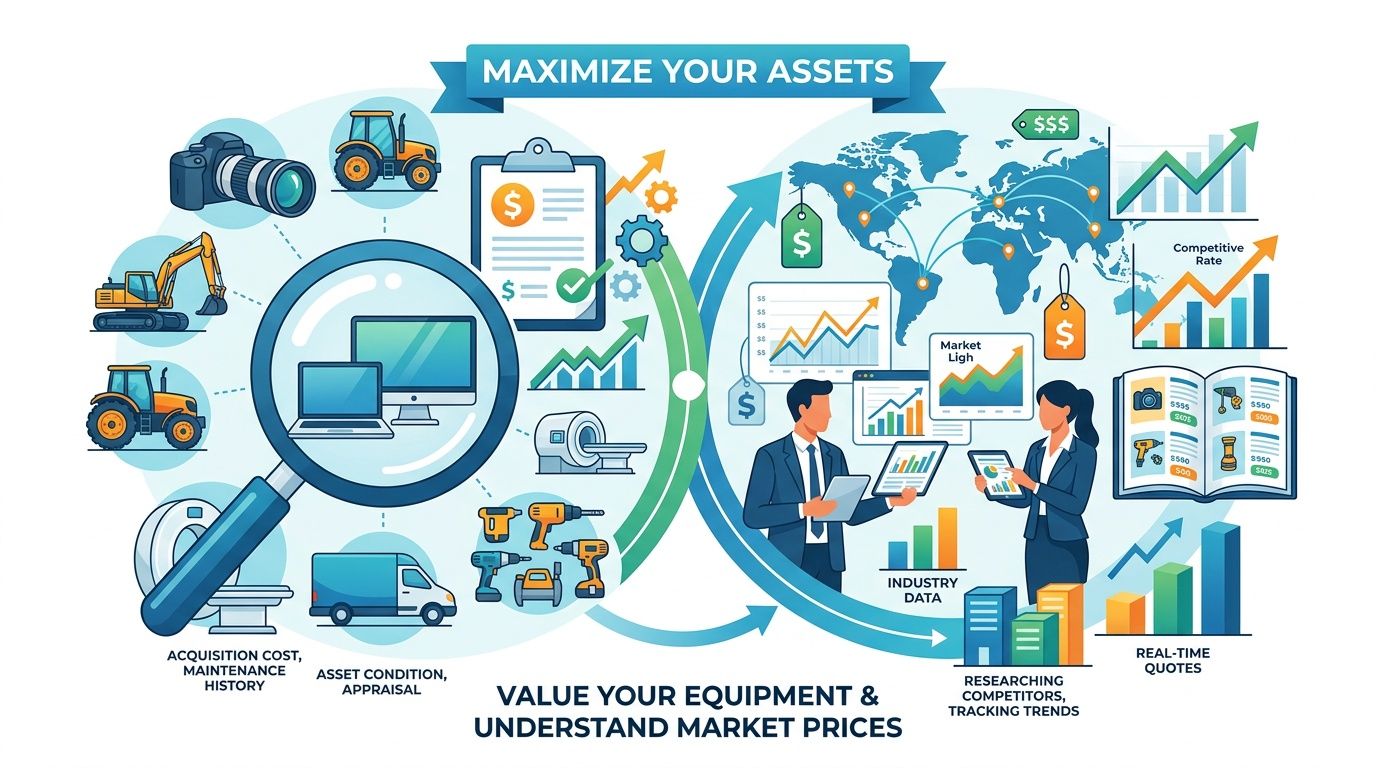
Used network gear pricing is never just about age. Two devices retired on the same day can have very different resale outcomes because the market values demand, brand, compatibility, and redeployment potential far more than your original purchase price.
That's why some sellers are disappointed after searching listings online. They see retail asking prices for tested, cleaned, warrantied hardware and assume their bulk lot should command the same figure. It won't. Buyers price against the work still required: receiving, audit, testing, wiping, repair, remarketing, storage, support exposure, and logistics.
What tends to hold value
According to Ken Research's USA networking equipment market overview, routers hold a dominant position in the market, driven by enterprise demand for Wi-Fi 6/7 compatibility and performance. The same source notes that equipment from Cisco, HPE, Juniper, and Dell typically has stronger resale appeal because those brands hold major market share and remain in demand across data centers and campus environments.
That doesn't mean every device from those vendors is valuable. It means those brands generally produce more models with an active secondary market.
The five drivers behind a real-world offer
A professional valuation usually turns on these factors:
Model demand
Gear used in current branch, campus, or data center refreshes gets attention faster than obscure or end-of-support hardware.Configuration
Chassis with sought-after modules, uplinks, or power redundancy often price better than bare-base units.Condition and completeness
Missing ears, covers, fans, drives, or PSUs reduce value because the buyer must source parts.Testing burden
Equipment that arrives organized and traceable is cheaper to process than a mixed pallet.Disposition mix
Lots with a high percentage of non-remarketable material drag the blended recovery down.
Use market research without fooling yourself
Check secondary listings, but use them as directional signals, not as your expected payout. If a specific switch consistently appears in current listings, that tells you there is still interest. It does not tell you what a bulk buyer can pay after processing costs.
A better negotiation position comes from understanding the lot composition and selecting a buyer whose service model matches your objective. If you need removal, testing, resale, and environmental handling in one transaction, compare bids on total return, not just unit price. That's especially true when evaluating telecom liquidation services that handle mixed lots rather than pristine single-model inventories.
Market reality: Wholesale buyers purchase margin and risk, not just hardware.
Vet Network Equipment Buyers Resellers Refurbishers and ITADs
The phrase network equipment buyers USA covers very different businesses. Some are brokers. Some refurbish. Some are asset recovery and compliance partners. If you treat them as interchangeable, you'll compare the wrong things and pick on price alone.
That usually backfires when the project involves multiple sites, serialized tracking, data-bearing equipment, or a mix of resale and recycling material.
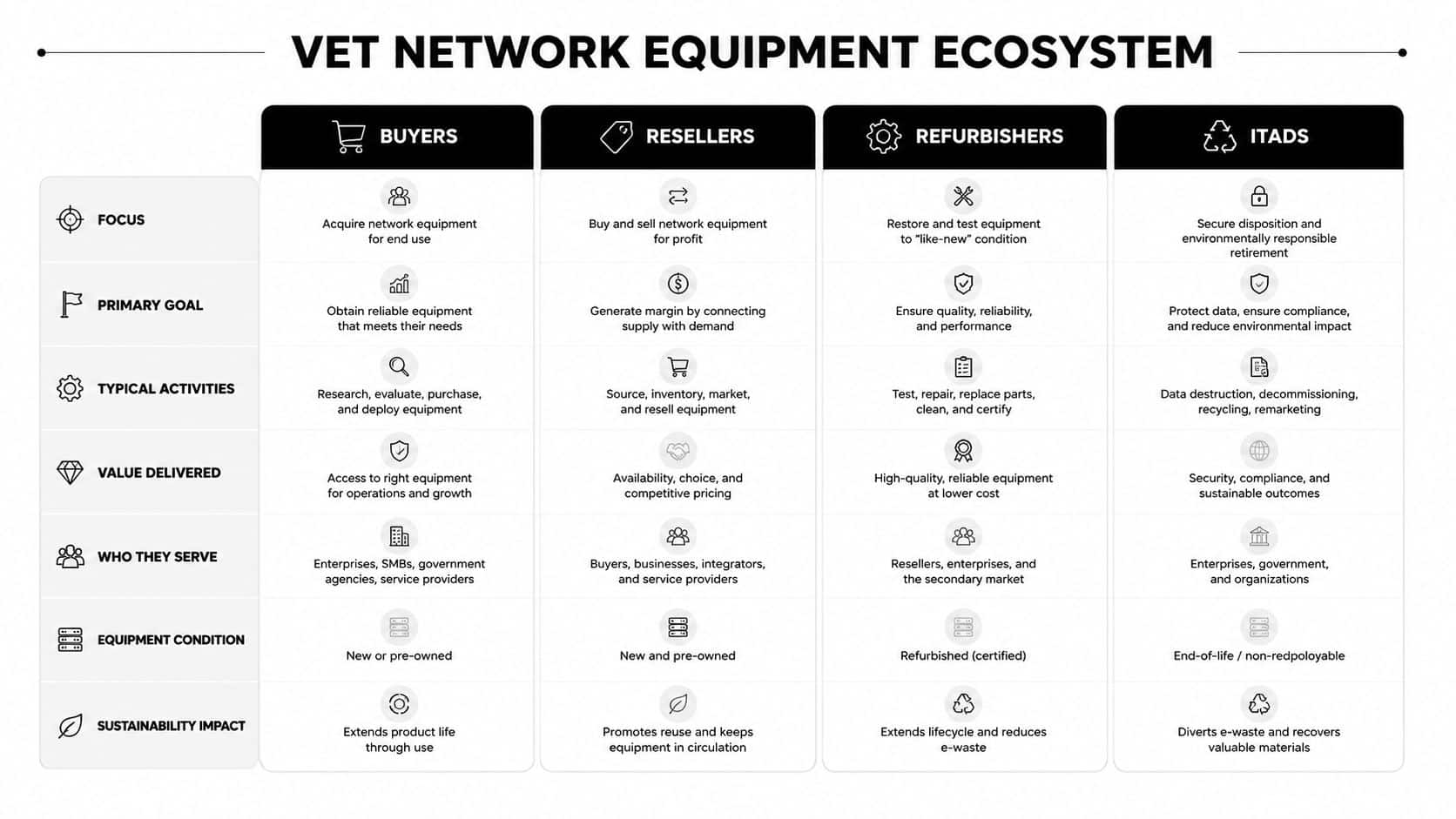
Comparing Network Equipment Buyer Types
| Buyer Type | Primary Goal | Best For | Key Consideration |
|---|---|---|---|
| Reseller or broker | Acquire gear and move it quickly | Clean, marketable lots with minimal service needs | May provide limited chain-of-custody and compliance support |
| Refurbisher | Repair, test, and recertify equipment for resale | Equipment with good component value and clear model demand | Ask who performs data sanitization and what reports are issued |
| Full-service ITAD | Manage value recovery, logistics, data destruction, and recycling | Enterprise refreshes, branch closures, data center work, regulated environments | Pricing may reflect broader service scope, but risk control is stronger |
Why refresh cycles are increasing supply
Legacy gear is leaving production environments faster because automation programs don't tolerate inconsistency well. Network World's coverage of an EMA survey found that 24.3 percent of respondents identified lack of infrastructure standardization and legacy equipment as a top obstacle to automation success. In practice, that pushes teams to retire non-standardized devices earlier and creates more volume in the secondary market.
More supply doesn't mean every buyer is equal. It means sellers need to pay closer attention to who can sort, test, sanitize, and monetize specific hardware classes.
Questions that separate professionals from opportunists
Ask these before you approve pickup:
Can you provide sample reporting
A serious buyer should show examples of asset reports, destruction certificates, and recycling documentation.How do you handle mixed lots
Many projects include routers, switches, firewalls, optics, rack hardware, and dead units. You need a process for all of it.What is your logistics model
Own fleet, vetted carriers, onsite packaging, and multi-site coordination all matter.How do you document exceptions
If serial labels are damaged or a unit fails wiping, the process shouldn't fall apart.What happens to low-value gear
If the answer is vague, your environmental and compliance exposure is still vague.
What works in buyer selection
The right partner depends on what you need most.
If you're unloading a small lot of current-generation gear from a single office, a specialist buyer may be enough. If you're closing branches, decommissioning racks, or managing regulated data, you need a firm that can handle chain of custody, certified destruction, and downstream recycling in one workflow.
That's where sellers often look at companies that buy telecom equipment and realize the buying function is only one part of the job. The harder part is controlling the process around the sale.
A high bid with weak paperwork is often a low-quality deal in disguise.
Finalize the Deal Negotiation Logistics and Paperwork
After selecting a buyer, specific details become more important than general promises. Many otherwise successful projects lose money or create additional cleanup work for legal, procurement, or IT at this stage.
Start with the scope. Confirm the final asset list, service responsibilities, pickup locations, packaging expectations, timeline, and payment terms in writing. If the deal includes onsite palletizing, de-racking, or serial verification, make sure those items appear in the agreement.

Logistics deserve special attention. Netequity's discussion of used IT equipment buyers notes that pickup costs can materially affect net recovery, especially for sellers outside major metro areas. Rural sites, small branch quantities, and hard-to-access facilities often trigger pricing adjustments if transportation and labor weren't clarified upfront.
Negotiate the whole deal, not just the offer
A strong agreement covers more than unit value.
Pickup terms
Who packs, labels, pallets, and loads the equipmentTitle transfer timing
When responsibility changes handsAudit and reconciliation
How quantity or condition discrepancies are handledPayment trigger
On pickup, on receipt, or after testingFinal documentation
Data destruction certificate, recycling certificate, and settlement statement
A buyer can offer a higher headline number and still produce a worse outcome if they deduct freight later or reject loosely documented assets after receipt.
Review paperwork like it may be questioned later
Because it might be.
Procurement teams and legal reviewers can speed this up with tools that flag missing clauses and inconsistent terms. For contract review support, PDF AI's automated document processing can help teams analyze sales agreements and liability language before release.
Before the truck leaves, confirm that your internal asset register matches the release paperwork. After processing, confirm that the destruction and recycling documents match the serialized equipment received.
Keep every disposition document together. Years later, nobody will care what the verbal agreement was.
Conclusion Your Strategic Approach to Asset Disposition
Selling used network hardware isn't just a resale exercise. It's a controlled exit process for assets that still carry value and risk. Teams that inventory carefully, verify data destruction, understand pricing drivers, and vet buyer capabilities usually avoid the two outcomes that hurt most: low recovery and unresolved liability.
The right disposition process protects your balance sheet and your compliance posture at the same time. That's what matters when evaluating network equipment buyers USA.
Contact Beyond Surplus for a detailed assessment of your used network equipment, secure data destruction documentation, and a compliant IT asset disposition plan built for business environments across the United States.


