

The first time you turn onto Buford Highway at dusk, it can feel like you've stepped into a food map written in several languages at once. Steam lifts from pho shops, neon and handwritten signs share the same block, and a taco window can stay busy long after most of Atlanta has gone home. That mix is exactly why Buford Highway Food Guide: Atlanta's Culinary Treasure keeps showing up in local conversations, not as a single restaurant row, but as a living corridor where shopping, cooking, and late-night eating all overlap.
Why Buford Highway Is Atlanta's Culinary Treasure
Buford Highway rewards curiosity because it works less like a single dining street and more like a food corridor with its own supply chain. Grocery aisles, butcher counters, bakeries, taquerias, noodle shops, and family-run kitchens feed one another here, so a shopping trip can turn into dinner and dinner can turn into a late snack a few doors down. The corridor is widely described as a 30-mile international food stretch that has served global flavors for over 50 years, running through Atlanta-area communities including Atlanta, Chamblee, Doraville, and up to Duluth. It's often called a culinary “United Nations” because it gathers cuisines from more than 20 countries, including Vietnam, Korea, China, Mexico, Thailand, and the Philippines. That combination is why the strip has lasting weight, it is not a passing food trend but a long-established multicultural district with staying power. The Atlanta Guide's Buford Highway overview
Start with the street, not a single restaurant
The best way to read the corridor is to see how the pieces fit together. Lee's Bakery, Canton House, and other long-running names show up again and again in food guides because they act like landmarks for first-time visitors and regulars alike. Once you know one anchor, the rest of the strip becomes easier to follow.
Practical rule: Don't try to “finish” Buford Highway in one outing. The corridor rewards a slow first pass, then a second trip with a plan.
If you arrive with only a rough craving, sort the trip by purpose. One stop can be for noodles, another for groceries, and another for late-night snacks after dinner somewhere else. Buford Highway feels different from a normal restaurant district because it behaves like a regional supply chain for daily eating, where ingredients, prepared foods, and specialty markets sit close together and keep each other busy.
For visitors who want a little city context before they drive, a useful reference is Beyond Surplus's Atlanta tourism guide. It helps explain why food corridors like this matter to Atlanta's identity and to the way people experience the city.
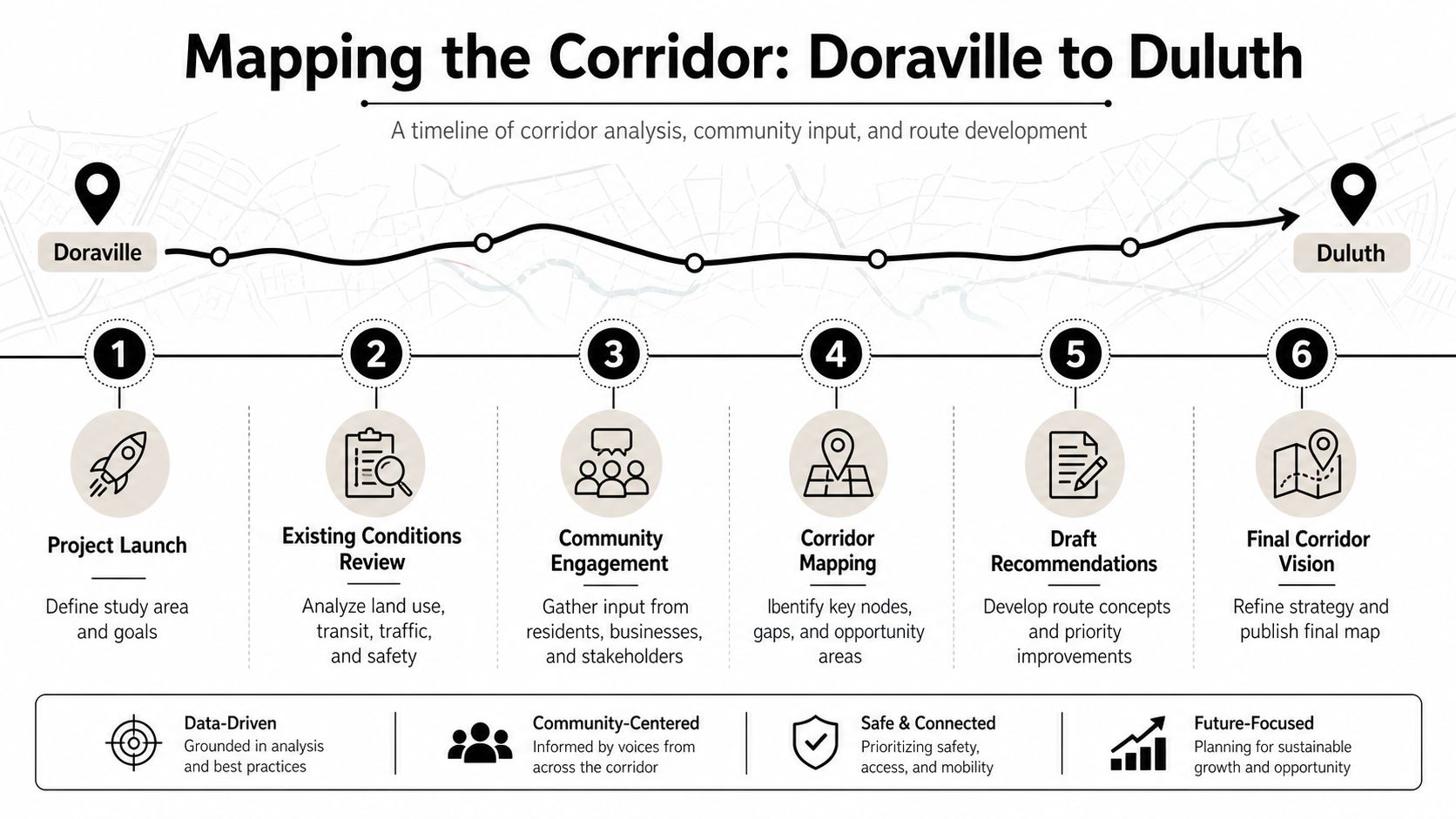
Mapping the Corridor from Doraville to Duluth
Buford Highway makes more sense once you stop thinking of it as one destination. It's a continuous commercial artery that shifts character as you move north, and the easiest way to keep it manageable is to split it into zones. That approach keeps you from doing too much driving between meals and helps you notice how the strip changes from block to block.
Break the drive into three simple zones
The southern end around Doraville is one of the easiest places to start, especially if you want a dense cluster of Asian markets and restaurants. The area around Buford Highway Farmers Market gives you a strong first impression of how the corridor works, because you can shop and eat in the same loop. In Chamblee, the rhythm changes a little, with places like Plaza Fiesta and City Farmers Market sitting near restaurants that make the whole strip feel active and mixed-use. Farther north toward Duluth, the road keeps its international identity, but the tempo becomes more spread out and destination-driven.
Use short drives instead of one long sweep
A first visit works best as two or three smaller trips. One run can focus on Doraville, another on Chamblee, and a third on the northward stretch toward Duluth. That way, each stop feels like a choice rather than a compromise.
If the parking lot looks crowded, trust the crowd and move on to your next stop. On this corridor, there's always another good option a few minutes away.
A smart route also leaves room for wandering. If a place catches your eye, it's usually worth a stop, because many of the best meals here are hidden in strip centers or tucked into shared plazas rather than sitting on obvious corners. For a different Atlanta lens on neighborhood movement and local discovery, Beyond Surplus's BeltLine guide is a useful contrast, since it shows how another part of the city organizes foot traffic and destination stops.
The Cuisines That Define the Strip
The corridor's cuisine map shifts block by block, with Vietnamese bakeries giving way to Korean barbecue spots within a few minutes north. That change is part of Buford Highway's appeal, because the strip works like a living supply chain, where groceries, lunch counters, and family kitchens feed one another. A loaf of bread, a tub of herbs, a bag of noodles, then a hot plate on the same road, it all belongs to the same system.
Follow the flavors country by country
Vietnamese food still gives many visitors their first clear read on the corridor, but the strongest examples here are not just about convenience. Pho 75 is the kind of place that makes the category easy to understand, because a bowl of noodles can feel both everyday and local at the same time. For a second reference point, Lee's Bakery helps show how the same cuisine can stretch from a quick sandwich stop to a broader neighborhood habit.
Korean food pulls its own weight here, especially in barbecue and stew houses where the table becomes part of the meal. Chinese cooking appears in several forms, from Cantonese comfort dishes to more regional plates, and Sichuan Impression shows how a single kitchen can sharpen that picture with bolder seasoning and a more specific regional identity. Mexican food is just as visible along the strip, and Havanna Sandwich Shop and El Rey del Taco show two sides of the corridor's rhythm, a casual midday stop and the kind of late-night order that keeps pace with the road instead of the clock.
Thai kitchens add another layer, while Filipino bakeries expand the snack case and dessert options for people who want to graze rather than sit down for a full meal. Inside and around the larger markets, you'll also find West African and Caribbean offerings, which makes the corridor read less like one restaurant row and more like a connected food map. If you want a wider local guide to the kind of places tucked off the obvious path, Beyond Surplus's hidden gems guide fits the same curiosity-first approach.
Late hours change the whole experience
After dark, Buford Highway serves a different crowd. Workers on odd shifts, travelers arriving late, and anyone leaving an event elsewhere in Atlanta can still find a proper meal, because several kitchens keep going long after a standard dinner window. That matters here because the corridor is not built around one rush hour, it is built around many small ones.
Some operators use extended hours as part of how they compete, and that is why the strip rarely feels fully asleep. If you are new to the road, start by choosing one cuisine for dinner and saving a second stop for a snack or dessert. That is also where you can find professional kitchen scissors if you are planning to bring home herbs, seafood, or packaged ingredients that need a little trimming before they go into the pan.
Good eating habit: Pick one main meal and one smaller follow-up stop. You will learn the corridor faster that way, because each visit teaches you how a different kitchen fits into the larger Buford Highway system.
The Markets That Make the Corridor Work
The markets are what turn Buford Highway from a restaurant strip into a full food economy. You're not just choosing where to eat, you're choosing where ingredients come from, which changes how you plan the rest of the meal. That's why the grocery side of the corridor deserves its own attention.
Compare the main markets before you shop
Major Buford Highway Markets at a Glance
| Market | Best For | Sourcing Highlights | Hours |
|---|---|---|---|
| Buford Highway Farmers Market | Big grocery runs, produce, meat, seafood, cooking classes, in-store demos | Mexico, Central and South America, the Caribbean, West Africa, China, Thailand, Vietnam | 7 days a week, 8 a.m. to 10 p.m. |
| City Farmers Market | Ingredient browsing and quick stock-ups | International grocery staples in a mixed retail setting | Varies by location |
| Plaza Fiesta | Market-style browsing and food stops in one complex | Broad international retail mix | Varies by tenant |
| Food Terminal | Prepared food with market-adjacent convenience | Global dining options in the same corridor ecosystem | Varies by venue |
Shop first, then choose your table
Buford Highway Farmers Market is described as a mega-sized grocery store carrying produce, meat, and seafood sourced from Mexico, Central and South America, the Caribbean, West Africa, China, Thailand, and Vietnam. The market also offers cooking classes and in-store demos, which makes it more than a grocery stop. It's a place to learn what the corridor stocks, then use that knowledge to order more confidently nearby. Thrillist's Buford Highway market and restaurant guide
If you need a practical kitchen tool after shopping, a simple item like professional kitchen scissors can make a real difference when you're portioning herbs, trimming packaging, or handling market-prepped ingredients at home.
The smartest Buford Highway shoppers don't separate grocery time from restaurant time. They let each stop inform the next one.
Three Eating Itineraries You Can Copy
The easiest way to enjoy the corridor is to stop improvising every decision. Once you know the food categories, you can build a trip around the time you have.
A 90-minute Doraville lunch loop
Start with a banh mi at a Vietnamese bakery or sandwich counter, then move to a dumpling or noodle stop for a second course if you still have room. Finish with one quick market browse so you can see what the corridor sells beyond the menu board.
This loop works because it keeps driving to a minimum. If you stay near Doraville, you can park once, eat twice, and leave without feeling rushed. Expect the first stop to move quickly, while the second may take longer if you arrive during the lunch rush.
A full-day crawl with room to breathe
Begin with a morning market shop, then head to Chamblee for lunch. After that, take an afternoon bakery break before settling in for Korean barbecue in the evening. That rhythm gives your stomach time to reset and lets each meal feel distinct instead of repetitive.
The market first approach also helps you buy with intention. If you see ingredients in the morning, you'll recognize them on the menu later, and that makes ordering much easier. For trip ideas that pair well with a food-focused day, Beyond Surplus's weekend activities guide can help you build a fuller Atlanta outing.
A late-night run for after-hours cravings
If you want the corridor at its most animated, go after dark. Start with tacos or a late snack, then move to pho or another noodle shop that stays busy when other parts of the city are winding down. Buford Highway feels most like a night market spread across a roadway at this time.
Timing tip: Late-night spots can be less predictable than lunch counters, so build in extra time and don't stack too many stops together.
A late run works best when you accept that some places may be crowded and some may be closing earlier than you hoped. The upside is simple. You get the most memorable version of the corridor, the one that mixes workers, night owls, and regulars who know exactly where to go.
Getting There, Parking, and Eating Well on Any Budget
Car-free access is possible, but you need patience. The MARTA Gold Line to Doraville is the cleanest starting point if you want to avoid driving, while bus service along Buford Highway works better for flexibility than for speed. If you're relying on transit, plan for a slower pace and fewer total stops.
Parking, budgets, and dietary filters
Most anchor restaurants share free surface lots, which is a relief, but the larger markets can fill up on weekends. That means the easiest strategy is to arrive earlier than peak meal times or be ready to move to a nearby lot if your first choice is packed. A casual counter meal can be very manageable, while a sit-down Korean barbecue dinner for two becomes a much bigger commitment.
For drinks, you'll also find useful options if you're avoiding alcohol, and a guide to best non-alcoholic beers can help you pair a no-alcohol choice with a long, food-heavy night out.
Dietary needs are easier here than many first-timers expect:
- Vegetarian-friendly choices: Vietnamese and Indian spots often make the safest starting point.
- Halal options: Some Mexican and Middle Eastern places can fit that need, but it's still smart to ask.
- Gluten-free strategies: Rice-based dishes, grilled meats, and simple soups often work best when you confirm sauces and noodles before ordering.
A little etiquette also goes a long way. Ask questions directly, keep your order simple if you're unsure, and don't rush a counter when the line is moving. The corridor is busy, but it's built for repeat visits, not one perfect first impression.
For broader Atlanta dining context, Beyond Surplus's budget restaurant guide is a good companion read if you want to compare this corridor with the rest of the city.
Seasonal Moments and Resources to Bookmark
Buford Highway changes with the calendar, which is part of what keeps locals coming back. Lunar New Year brings heavy traffic to Asian markets and restaurants, summer pushes grilling and market shopping to the front, and cooler months shift attention toward hot pot and stew menus. If you only visit once, you'll miss how much the corridor evolves across the year.
Keep a short list of references
The most useful sources are the ones that help you return with a better plan. City dining guides, the Buford Highway Farmers Market cooking class calendar, and trusted local food writers all make the corridor easier to explore because they point you toward new openings and seasonal changes without flattening the area into a single list.
A good habit is to bookmark a few resources, then revisit them before your next trip. That's especially helpful if you care about what's new, because the corridor's appeal comes from continuity and change at the same time. Long-running institutions anchor the strip, but the surrounding food economy keeps adding new reasons to come back.
Buford Highway works best when you treat it like a living international food system, not a one-time checklist. The more you visit, the more the road starts to make sense, and the better your choices get.
If you're planning your next Atlanta food day, start with one corridor zone, one market, and one meal you've never tried before. Then come back with a sharper plan. Contact Beyond Surplus for certified electronics recycling and secure IT asset disposal.


