

When it comes time for a tech refresh, the biggest question on every IT manager's mind is what to do with the old gear. For used network switches and routers, the smartest and most secure path is working with a specialized IT Asset Disposition (ITAD) firm. This business-to-business route consistently delivers better value, certified security, and far less hassle than trying to sell it yourself on consumer sites.
Unlocking Value from Your Decommissioned Network Hardware
Every IT upgrade leaves behind a pile of used network switches, routers, and other hardware. While these assets might not fit into your new setup, they often hold significant cash value. The trick is knowing how to tap into that value safely and efficiently.
Putting enterprise-grade equipment on a consumer marketplace is like trying to sell a high-performance engine at a general scrapyard—you'll miss the expert buyers who actually know what it's worth.
For IT and procurement pros, selling used network gear is a balancing act. It’s not just about getting the highest price. You’re juggling three critical business goals:
- Maximum Value Recovery: Getting a fair market price that reflects the gear's brand, model, and condition.
- Certified Data Security: Ensuring every bit of sensitive network configuration and company data is permanently wiped to meet strict compliance standards.
- Logistical Simplicity: Handing off the headaches of inventorying, packing, and shipping piles of bulky equipment.
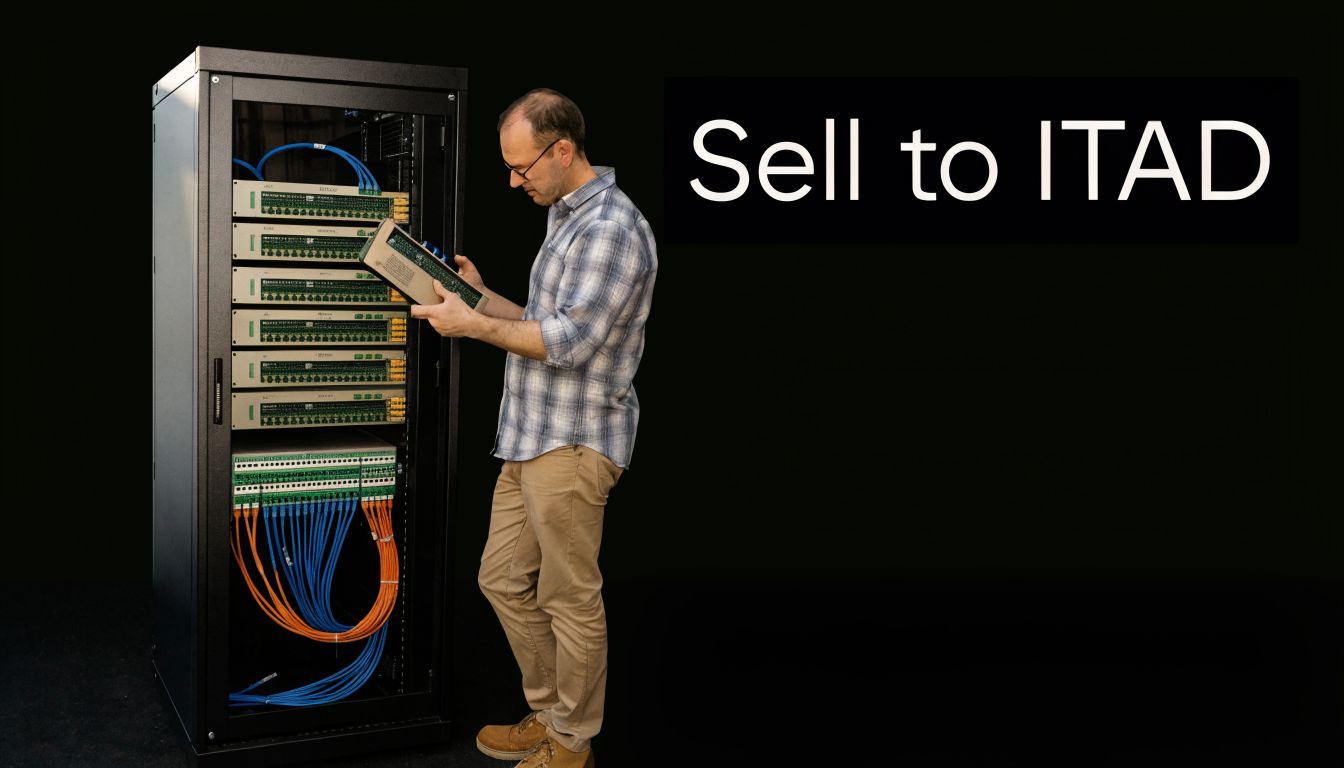
Why an ITAD Partner Outperforms Other Channels
The market for used IT hardware is massive. The global secondary market for networking equipment hit $15.2 billion in 2023, and it's growing as more businesses upgrade their infrastructure.
A specialized ITAD firm like Beyond Surplus can help you recover up to 60-70% of the original value for popular models like the Cisco Catalyst 9300 series. Compare that to selling on a platform like eBay, where you might only get 20-30% back after dealing with high fees, shipping nightmares, and the risk of buyers who never pay.
To get a clearer picture, let's break down the most common selling channels.
Comparing Channels for Selling Used Network Gear
This table offers a quick comparison of the primary options for selling used network switches and routers, weighing them on key business criteria.
| Selling Channel | Best For | Value Recovery | Security & Compliance | Logistics Effort |
|---|---|---|---|---|
| ITAD Firm / Buyback | Businesses with multiple assets, seeking security and full service. | High | Certified | Low (Managed for you) |
| Online Marketplaces (eBay) | Individuals or small businesses with a few low-value items. | Low to Medium | DIY (High Risk) | High |
| IT Broker | Businesses with high-value, niche equipment. | Varies (Medium to High) | Varies (Uncertified) | Medium |
| OEM Trade-In Program | Businesses loyal to one brand, receiving credit, not cash. | Low | Certified | Medium |
| Local Recycler / Scrapper | End-of-life, broken, or worthless equipment. | Very Low (Scrap value only) | Low to None | High |
As you can see, for any organization with more than a handful of devices, the advantages of a professional ITAD partner become obvious. They handle the entire process, turning a complex project into a simple, secure transaction.
Choosing the right disposition channel is a strategic business decision. A professional ITAD partner transforms surplus equipment from a logistical headache into a secure, profitable, and compliant asset recovery project. This approach protects your organization's data and brand reputation while maximizing financial returns.
Ultimately, you want a partner who can manage the entire lifecycle of your retired assets—from pickup to final sale. For a deeper dive into what that involves, check out our guide on professional network equipment buyers in the USA. By working with a specialist, you ensure your equipment is handled by experts who understand the market, the security risks, and the logistics from start to finish.
Preparing Your Network Hardware for a High-Value Sale
If you want to get the best possible return when you sell used network switches and routers, you can't skip the prep work. Think of it like detailing a car before you sell it—a little time spent upfront shows the buyer you've taken care of your assets, and that almost always leads to a better offer.
Ignoring these steps won't just get you a lower price; it can also open you up to serious security risks and cause headaches with logistics down the line. The whole process really comes down to three key areas: creating a solid inventory list, wiping all your data securely, and getting the physical gear ready for pickup.
Conduct a Detailed Inventory Audit
First things first: you need to know exactly what you have. A vague list that just says "a bunch of used switches" is going to get you a very cautious, lowball quote from any potential buyer. But if you provide a professional and detailed asset list, a buyer can give you a fast, accurate, and competitive offer.
Your goal is to build a simple spreadsheet that answers all the buyer's questions before they even have to ask. For every piece of equipment, make sure you log the following details:
- Manufacturer and Model Number: For example, Cisco Catalyst 9300-24T or Juniper QFX5120-48Y.
- Serial Number: This is absolutely essential for tracking and auditing.
- Port Configuration: Jot down the number and type of ports (e.g., 24x 1G, 4x 10G SFP+).
- Included Modules or Cards: List any extras like line cards, supervisor engines, or power supply units (PSUs).
- Physical Condition: Make a quick note of any significant cosmetic issues, like deep scratches or dents.
- Quantity: The total count you have for each specific model and setup.
This list does more than just get you a better quote—it also creates a clear chain of custody right from the start.
Secure Data Destruction Is Non-Negotiable
Pay close attention here, because this is the single most important step. A simple factory reset is nowhere near enough for business-grade networking gear. Your switches and routers store a ton of sensitive configuration data, from VLANs and access control lists (ACLs) to credentials that could expose your entire network.
If that data gets into the wrong hands, you're looking at a massive security liability. You could also be found non-compliant with data privacy laws like the FTC Disposal Rule.
A factory reset only reverts the device settings back to the default. It does not securely overwrite the sensitive data still stored in the device’s memory. True security and compliance require that data to be forensically unrecoverable.
Professional ITAD partners use data sanitization methods that follow NIST 800-88 guidelines, which is the gold standard for getting rid of data for good. If you're working with Cisco gear, it's smart to understand the basics of wiping configurations. You can learn more about this by checking out our guide on how to properly perform a Cisco switch factory reset as a starting point.
No matter what, always insist on getting a Certificate of Data Destruction from your ITAD partner. This document is your proof that the liability has been formally transferred away from your company.
Finalize Physical Preparation and Bundling
The last step is getting the hardware physically ready for its new owner. Equipment that looks clean and well-cared-for will always fetch a better price. It signals that the gear was maintained properly and it also makes the buyer’s job easier, a saving they can pass back to you.
Just follow this quick checklist to finish up:
- Clean the Equipment: Use compressed air to blow the dust out of fans and vents. A quick wipe-down of the chassis with a dry cloth removes any grime or markings.
- Bundle All Accessories: Round up all the power cords, rack-mount ears, and console cables that go with each device. A complete kit is always worth more than a standalone unit.
- Label if Possible: If you have a lot of gear, putting a simple label on each device that matches your spreadsheet can make the final audit on their end much faster.
By taking these steps, you’re presenting your surplus equipment as a high-quality, low-risk asset. That professionalism not only gets you a better financial return but also ensures your company’s sensitive data stays completely secure.
Evaluating Your Selling Options In Depth
So, you’ve sorted, cleaned, and prepped your network equipment, and you're ready to sell. Now for the most important question: where do you actually sell it? This decision is a big deal—it will directly affect your final payout, your data security, and how much time your team has to spend on the project.
Each sales channel has its own set of risks and rewards. What might work for selling a single switch is often a huge liability when you're managing a corporate-wide asset refresh. Let's break down the pros and cons of each option, from professional IT Asset Disposition (ITAD) firms to online marketplaces, so you can pick the most profitable and secure path for your company.
ITAD Companies and Buyback Programs: The Professional Choice
For any business selling used network switches and routers, working with a specialized ITAD company is the smartest move. These firms are built from the ground up to serve businesses like yours, offering a complete, white-glove service that you simply can't get from a consumer platform.
An ITAD partner handles everything for you:
- Expert Valuation: They use real-time market data to give you a fair and accurate price for your assets. No guesswork involved.
- Insured Logistics: They manage all the secure packing and shipping, complete with a clear chain of custody. Many offer nationwide pickup, so you don't have to lift a finger.
- Certified Data Destruction: They'll perform data sanitization that meets strict standards like NIST 800-88 and give you the certificates to prove it.
- Compliance Documentation: You get all the paperwork you need for your audit trail, which officially transfers liability away from your organization.
This chart really drives home the difference between a professional process and just trying to get it done quickly.
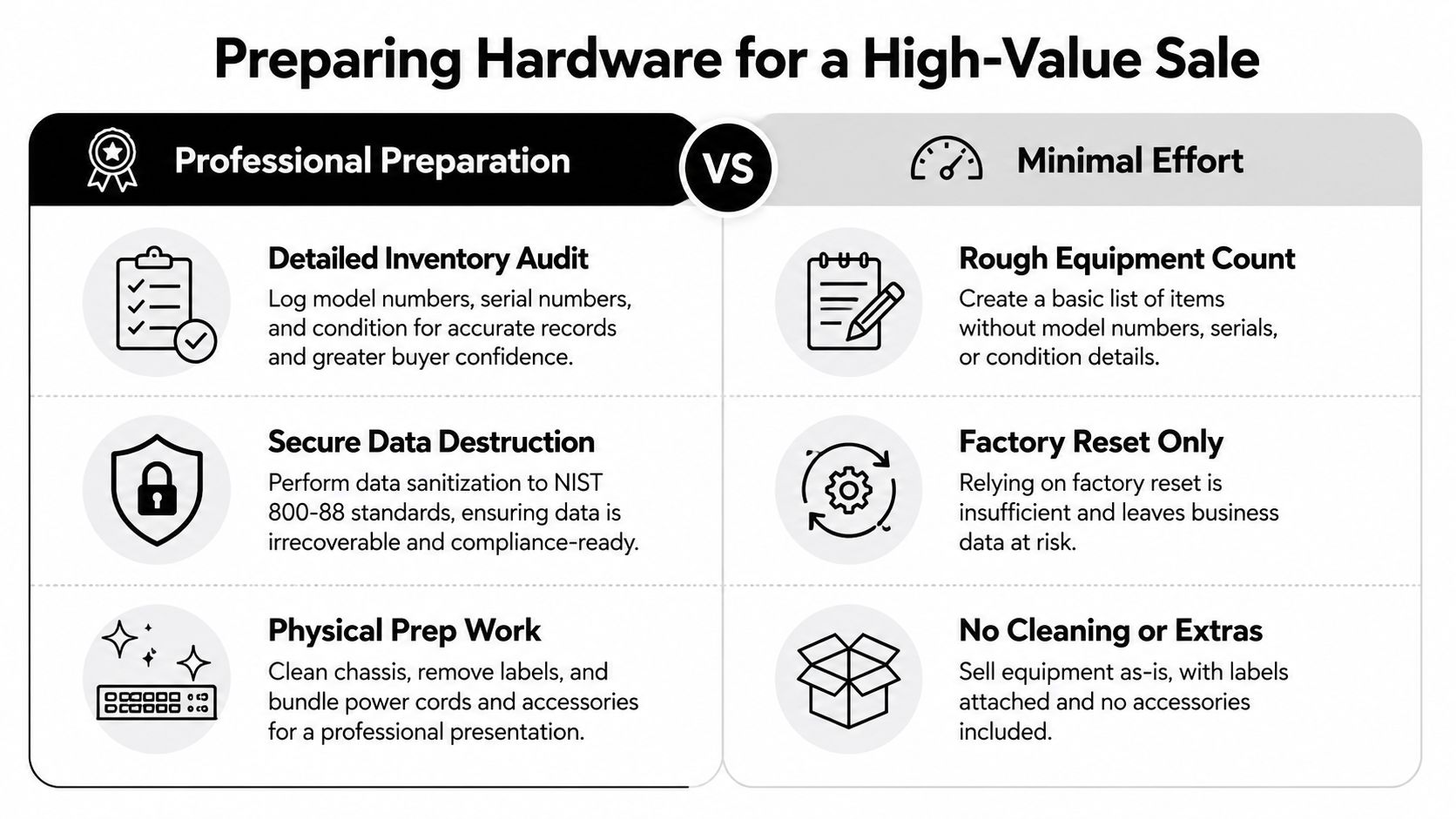
As you can see, the professional prep work that’s standard for any good ITAD partner maximizes your return and keeps you secure. Cutting corners just leads to lower offers and higher risk.
Consumer Marketplaces: A Risky Proposition for Businesses
Platforms like eBay, Craigslist, and Facebook Marketplace are designed for individuals selling to other individuals—not for the complex needs of a business disposing of corporate assets. They might look like a quick and easy option, but they can expose your company to major financial and legal headaches.
IT directors who partner with ITAD specialists do so to avoid these very problems. In fact, a 2025 NetEquity report found that a staggering 72% of sellers on Craigslist and eBay ran into issues like non-payment or fraudulent damage claims. On average, they lost 35% of their potential revenue.
It’s just not worth the gamble. The logistical nightmares, payment scams, and total lack of certified data destruction make these platforms a high-liability choice for corporate hardware.
Other Avenues: IT Brokers and OEM Trade-Ins
There are a couple of other paths you might consider: independent IT brokers and trade-in programs from the Original Equipment Manufacturer (OEM).
- IT Brokers: Think of these as middlemen. They connect you with potential buyers and take a commission. While they can sometimes score a good price on rare or niche equipment, their security and logistics processes often aren't certified.
- OEM Trade-Ins: Many big manufacturers will offer you credit toward new gear when you trade in your old hardware. The catch? The credit value is almost always far below the cash you could get from a real buyback program, and it locks you into their brand.
Selling used assets is a common business practice across industries. For a different perspective on selling used B2B assets, take a look at this helpful Cubicle By Design guide to selling furniture.
When you're refreshing a large number of devices, you need a partner who truly understands the market. As bulk telecom equipment buyers, we've seen it all. Whether you’re decommissioning an entire data center or just upgrading a small office, a professional ITAD firm consistently offers the best balance of security, convenience, and financial return.
How to Accurately Value Your Used Network Equipment
Figuring out what your used networking hardware is really worth is the first step to getting a good price for it. When you understand the true value of your assets, you can negotiate with confidence and pick the right way to sell.
The price isn't just a random number. It's based on real-world market factors that professional buyers look at to come up with a fair offer. Think of it like appraising any other specialized business asset. It's not about one single price tag but about the moving parts of supply, demand, and how relevant the technology still is.
For example, a three-year-old enterprise switch from a top brand like Cisco holds its value way better than a consumer-grade router. Why? Because it’s still a workhorse that thousands of businesses rely on every single day.
Key Factors That Influence Network Hardware Resale Value
The offer you get for your equipment comes down to a few core elements. A professional ITAD partner will dig into each of these to determine a Fair Market Value (FMV)—the price your gear can actually sell for on the global secondary market.
Here are the main things that move the needle on price:
Key Factors Influencing Network Hardware Resale Value
| Valuation Factor | High-Value Indicator | Low-Value Indicator | Impact on Price |
|---|---|---|---|
| Brand and Model | Top-tier brands (Cisco, Juniper, Arista) and popular series (Catalyst, Nexus). | Obscure or consumer-grade brands with little business demand. | Significant. Brand reputation for reliability directly impacts buyer confidence and price. |
| Age and Generation | One to two generations behind the newest model; still widely used. | End-of-life (EoL) for many years or several generations old. | High. The sweet spot is gear that is affordable but still powerful enough for modern networks. |
| Condition | Clean, fully functional, no major cosmetic damage, passes all diagnostics. | Scratched, dented, missing parts, or fails functional tests. | High. Buyers pay a premium for equipment they know they can trust and deploy immediately. |
| Current Market | High demand due to data center builds or common network upgrades. | Low demand, security flaws discovered, or market is flooded with similar units. | Variable. This is the most dynamic factor; a sudden need can drive prices up quickly. |
Ultimately, a combination of a strong brand, recent generation, good condition, and active market demand will always get you the best possible return.
Researching Prices and Avoiding Common Pitfalls
It’s tempting to hop on a public marketplace like eBay and search for your model number to gauge its value. But this is a classic mistake that often leads to unrealistic expectations.
The asking prices you see on auction sites are rarely what the item actually sells for. Those listings are often wishful thinking, and they don't factor in seller fees, shipping costs, or the possibility that the unit is damaged or incomplete.
A professional ITAD partner doesn’t guess based on public listings. They tap into their own proprietary market data, which is built from thousands of recent B2B transactions. This gives them a clear picture of what businesses are paying for that exact model, right now.
This data-driven method takes the guesswork out of the equation and gets you a realistic, competitive offer. When you’re looking for a partner, it’s critical to find one that specializes in enterprise telecom equipment resale to get the most accurate valuation. By understanding these factors, you can prepare your equipment and work with a buyback partner who offers a fair, transparent assessment of what your gear is worth.
The Critical Role of Data Destruction and Compliance
When you're figuring out where to sell used network switches and routers, security isn't just a feature—it's the absolute foundation of the entire process. A device that hasn't been properly sanitized is like a ticking time bomb. It can hold network configurations, VPN credentials, and access keys that could expose your entire company's infrastructure.
Think about it this way: failing to properly wipe a network switch is like leaving the master key and alarm codes to your office on a public park bench. The potential for a breach is massive, making data destruction the single most critical step in your IT asset disposition plan.
The High Stakes of Non-Compliance
Regulatory bodies don't mess around when it comes to data privacy. Laws like the FTC Disposal Rule and HIPAA in healthcare come with severe legal and financial penalties for getting it wrong. Just one device containing sensitive data can lead to huge fines, draining legal battles, and a loss of customer trust that could take years to win back.
This isn't just a hypothetical risk. One study found that a shocking 1 in 5 decommissioned devices still held sensitive data. It’s no wonder so many IT professionals are moving away from risky sales channels. In a 2025 poll of 2,500 IT pros, 77% said they preferred selling to professional buyers who provide secure services. Only 19% still used public forums, pointing directly to the major risk of data exposure.
Sanitization Methods: What You Need to Know
Understanding the different ways to remove data is key to making a secure decision. They aren’t all created equal, and picking the wrong one can leave your organization wide open.
Factory Reset: This is the most basic option, and it's completely insufficient for business use. A factory reset only returns a device’s settings to their default state. It doesn't securely erase the underlying data, which can often be recovered with forensic tools.
Software-Based Data Wiping: This is the professional standard for any device meant for resale. It uses specialized software to overwrite the storage media multiple times, making the original data forensically unrecoverable. This method aligns with industry-best guidelines like NIST 800-88.
Physical Destruction: When a device has no resale value or holds top-secret information, the only surefire method is to physically destroy it. This involves shredding the device into tiny, unusable pieces, which obliterates the storage media beyond any chance of recovery.
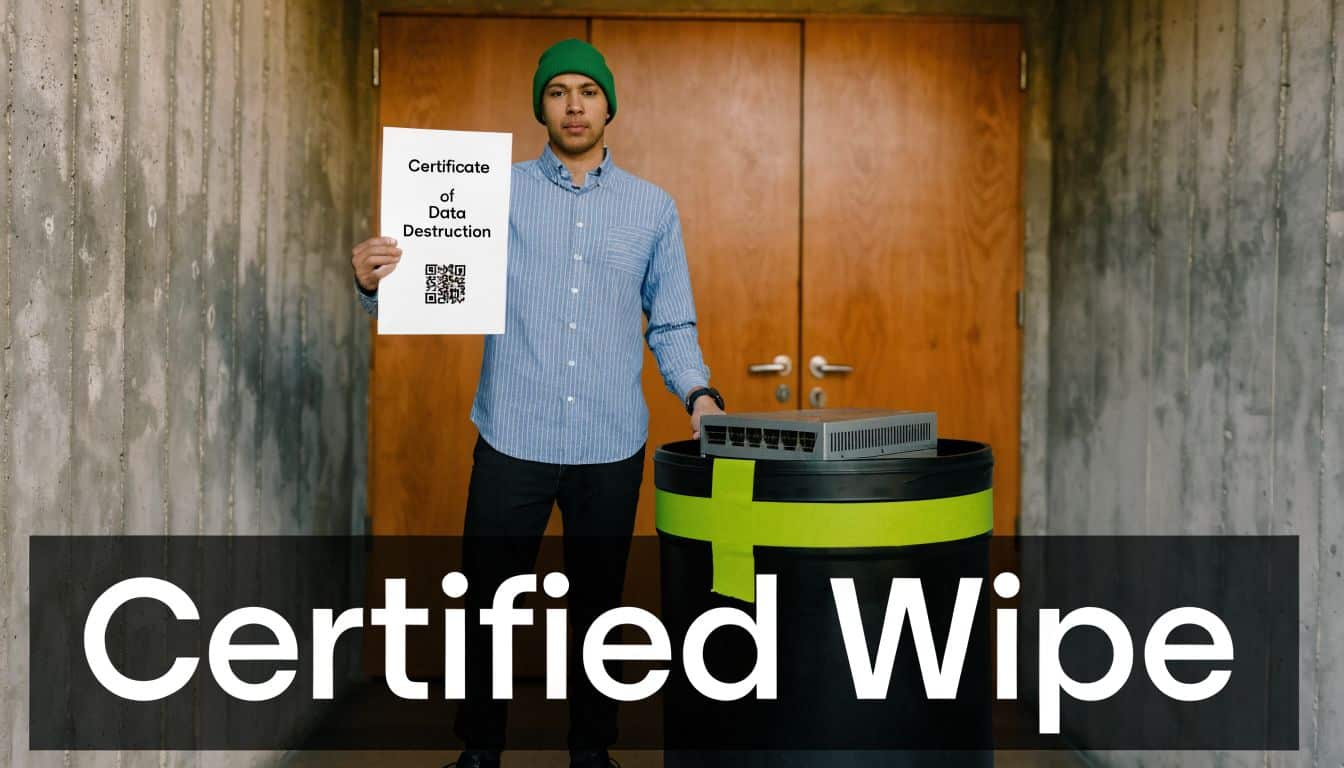
The Power of a Certificate of Data Destruction
Once your equipment has been properly sanitized or destroyed, a reputable ITAD partner will give you a Certificate of Data Destruction. This document is your most important piece of proof for compliance.
A Certificate of Data Destruction is far more than a receipt. It's a legal document that formally transfers the liability for the data from your company to your ITAD vendor. It becomes a critical part of your audit trail, proving you took the right steps to protect sensitive information.
This certificate delivers both peace of mind and a documented, defensible position if you ever face a compliance audit. It confirms your organization met its due diligence obligations. For any business aiming to ensure its process is bulletproof, it's a good idea to learn more about the NIST SP 800-88 guidelines that set the standard for data sanitization.
Choosing the Right ITAD Partner for Your Business
When it's time to sell your old network switches and routers, picking the right ITAD partner is easily the biggest decision you'll make. This isn't just about who gives you the highest quote. It's about who you trust with your company's sensitive data, your brand's reputation, and your legal compliance.
A true partner gives you comprehensive risk management, not just a quick transaction. Think of it like this: you could use a basic banking app for simple transfers, but you’d hire a specialized financial advisor to manage complex investments and risks. A top-tier ITAD partner does the same for your technology assets, offering strategic guidance tailored to your needs.
Your Vendor Evaluation Checklist
To find a partner who will genuinely protect your business, you need to dig deeper than surface-level promises. Use this simple checklist to vet potential vendors and weed out the ones who can't deliver the security and service you absolutely need.
Industry Certifications (R2v3 or e-Stewards): This is a deal-breaker. Certifications like R2v3 (Responsible Recycling) are proof that a vendor follows the highest industry standards for data security, environmental protection, and worker safety. If a vendor isn't certified, they offer no real guarantees.
Proven Experience with Enterprise Hardware: Does the company actually specialize in enterprise-level networking gear from brands like Cisco and Juniper? A partner with real market knowledge will give you a much more accurate valuation because they understand the nuances of your specific hardware.
Documented Secure Chain of Custody: Ask them to walk you through their entire process. A professional firm will document every single step, from secure packing and asset tagging on-site to GPS-tracked transport and a fully audited receiving process at their facility.
Nationwide Logistics Capabilities: Can they handle pickups from all your locations, even if they're scattered across the country? A partner with a solid logistics network, including their own trucks and trusted transport partners, can manage complex, multi-site projects without a hitch.
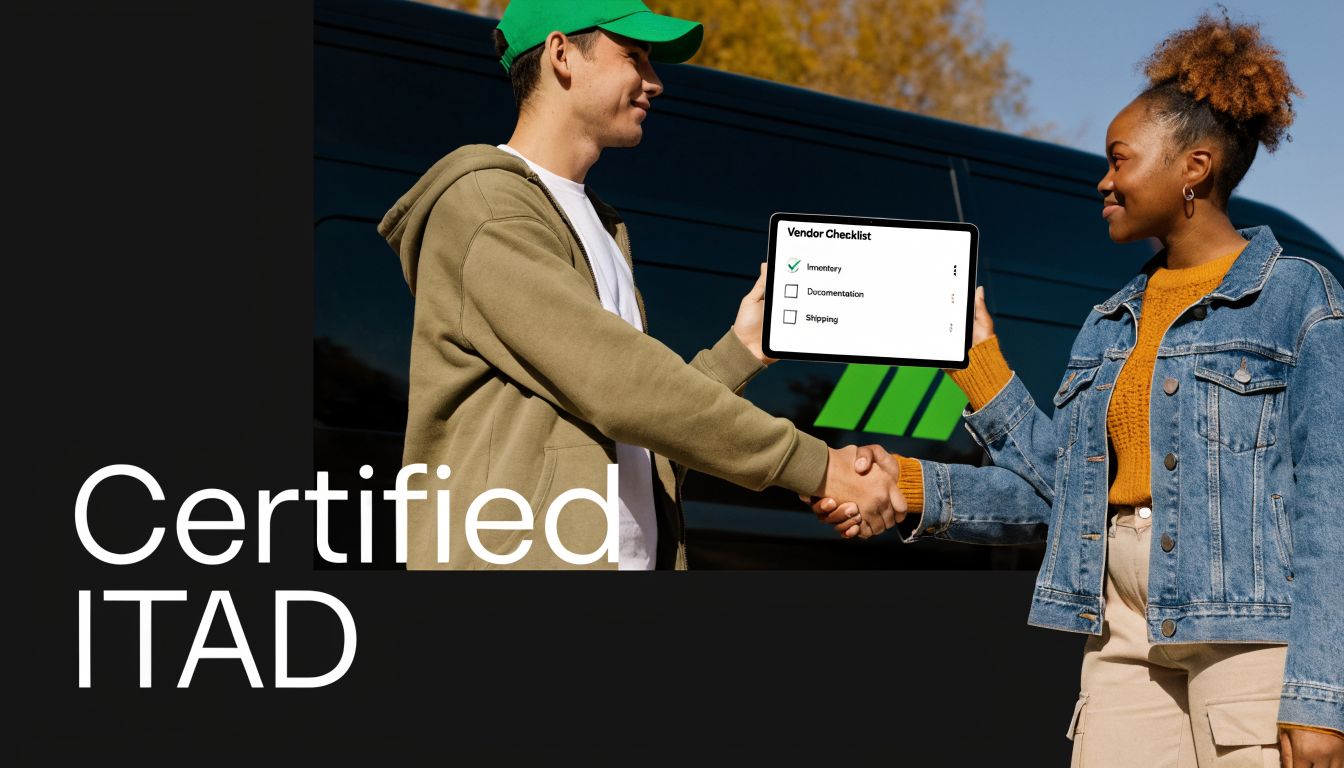
Looking Beyond the Price Quote
It’s always tempting to jump on the highest initial offer. Be careful, though, as this is often a major red flag. Shady buyers might inflate a quote just to get your equipment in the door, then slash the price later, claiming it was in bad condition or missing parts.
This "bait-and-switch" is a common tactic that leaves you with a tiny payout and very few good options.
A trustworthy partner provides a fair, transparent quote based on realistic market values and stands by it. Their business model is built on long-term relationships, not short-term gains.
When you're looking for professional help with IT asset disposition, keep in mind that ITAD partners often provide a wide range of services. For more on how these solutions fit into a broader IT strategy, check out this guide on solving small business IT issues.
A Strategic Decision for Your Business
Ultimately, choosing a certified, professional ITAD firm is a strategic business move. It pays you back with security, compliance, and total peace of mind. By partnering with an expert like Beyond Surplus, you’re not just offloading old hardware—you're putting a rock-solid risk management plan in place.
This protects your organization from the fallout of data breaches and expensive regulatory fines. We handle every detail, from secure nationwide logistics to certified data destruction, making sure your surplus networking equipment is processed securely, profitably, and in full compliance with all regulations.
Frequently Asked Questions About Selling Network Gear
When it’s time to offload your old network hardware, a few questions almost always come up, especially if it's your first time. We’ve answered some of the most common ones we hear from IT managers and business owners to help clear things up and make you feel confident about the process.
What Happens if My Equipment Has No Resale Value?
It’s a common scenario: your switches or routers are just too old or specialized to find a new home. But even if there’s no cash value, a certified ITAD partner is still your best bet. The focus simply shifts from a buyback to secure, compliant recycling.
A reputable firm will make sure all data is completely wiped according to NIST standards. They’ll then give you a Certificate of Recycling and Data Destruction. This piece of paper is incredibly important—it’s your proof that you’ve handled your data responsibly and met environmental rules, protecting your company from liability.
How Long Does the Buyback Process Usually Take?
We know you want to get this off your plate quickly. A professional ITAD process is built for speed and transparency. Here’s a typical timeline:
- Quick Quote: Once you send over a complete list of your equipment, you can expect a detailed quote back within 24-48 hours.
- Fast Pickup: After you approve the offer, we’ll work with you to schedule a convenient time for a secure, insured pickup.
- Prompt Payment: As soon as the gear arrives at our facility and we’ve audited it, payment is usually sent out within a few business days. Our goal is a fast turnaround from start to finish.
Can You Handle a Large-Scale Data Center Decommissioning?
Absolutely. Taking on massive projects like a full data center decommissioning is a core part of what an experienced ITAD company does. It’s a complex job that requires a dedicated team, specialized logistics, and the right equipment to handle de-installations anywhere in the contiguous U.S.
Think of it this way: a professional ITAD project manager acts as your single point of contact, coordinating everything from on-site asset tagging and packing to fully insured transport. It’s a seamless, fully documented process, even if you’re dealing with thousands of devices across multiple sites. That’s a level of service you just won’t find with smaller buyers or online marketplaces.
When your business needs a reliable, secure, and profitable solution for its surplus IT assets, Beyond Surplus provides the expertise you need. Contact us today for certified electronics recycling and secure IT asset disposal services.


