

Sharpen your edge in Atlanta's booming tech market. Cybersecurity has become the city's clearest pressure point, with security roles reaching 66,800 job postings in 2025 and a 124% year-over-year increase. That shift tells you something simple. Employers aren't hiring for nice-to-have skills. They're hiring for risk reduction, operational discipline, and people who can work across infrastructure, compliance, and business teams.
That's why Atlanta tech jobs in 2026 won't go to candidates who only list tools. They'll go to professionals who can connect technical work to security, disposal, logistics, audit readiness, and cost control. That applies to IT managers, infrastructure staff, data center teams, procurement leaders, and professionals moving into IT asset disposition, secure recycling, and compliance-heavy operations.
If you're building your career, stop chasing vague “future-proof” advice. Build practical capability. If you're hiring, screen for proof of execution, not buzzwords. A candidate who can document chain of custody, coordinate equipment pickup, assess hardware for reuse, and explain data destruction standards in plain English is immediately useful.
That same practical mindset also matters if you're launching a service business around these needs. Solo AI Website Creator's checklist is a useful reference for packaging technical expertise into a commercial offer.
1. IT Asset Disposition Management
IT asset disposition management is a real career skill in Atlanta, not back-office cleanup. Companies retire laptops, servers, switches, mobile devices, and storage media every quarter. Someone has to decide what gets redeployed, what gets remarketed, what gets wiped, and what gets recycled under documented controls.
In practice, this work sits at the intersection of security, operations, and finance. Financial institutions need proof that storage devices were destroyed correctly. Healthcare organizations need process discipline when patient-related systems leave service. Data centers need structured decommissioning plans so old hardware doesn't sit in cages collecting risk.
What strong ITAD capability looks like
A good ITAD professional can inventory assets, classify devices by condition, route equipment to the right downstream process, and maintain clear records from pickup through final disposition. They also know when to escalate. A damaged drive, missing asset tag, or undocumented transfer isn't a minor issue. It's a control failure.
Practical rule: Treat every retired device like an audit item, not a surplus item.
For business teams in Georgia, why ITAD services matter for Georgia companies in 2026 is a useful reference point for how these programs support compliance and liability transfer.
- Build a written policy: Define who approves retirement, who verifies serials, and who signs off on destruction or resale.
- Audit before refresh cycles: Don't wait for emergency replacement projects to discover what's already at end of life.
- Require final documentation: Certificates of recycling and data destruction should be standard deliverables, not optional add-ons.
2. Data Security and Compliance
Data security and compliance is where many Atlanta tech teams either prove maturity or expose gaps. Deleting files isn't enough. Moving retired equipment without a documented process isn't enough. If your company handles healthcare records, consumer data, or international customer information, your disposal workflow has to match the sensitivity of the data involved.
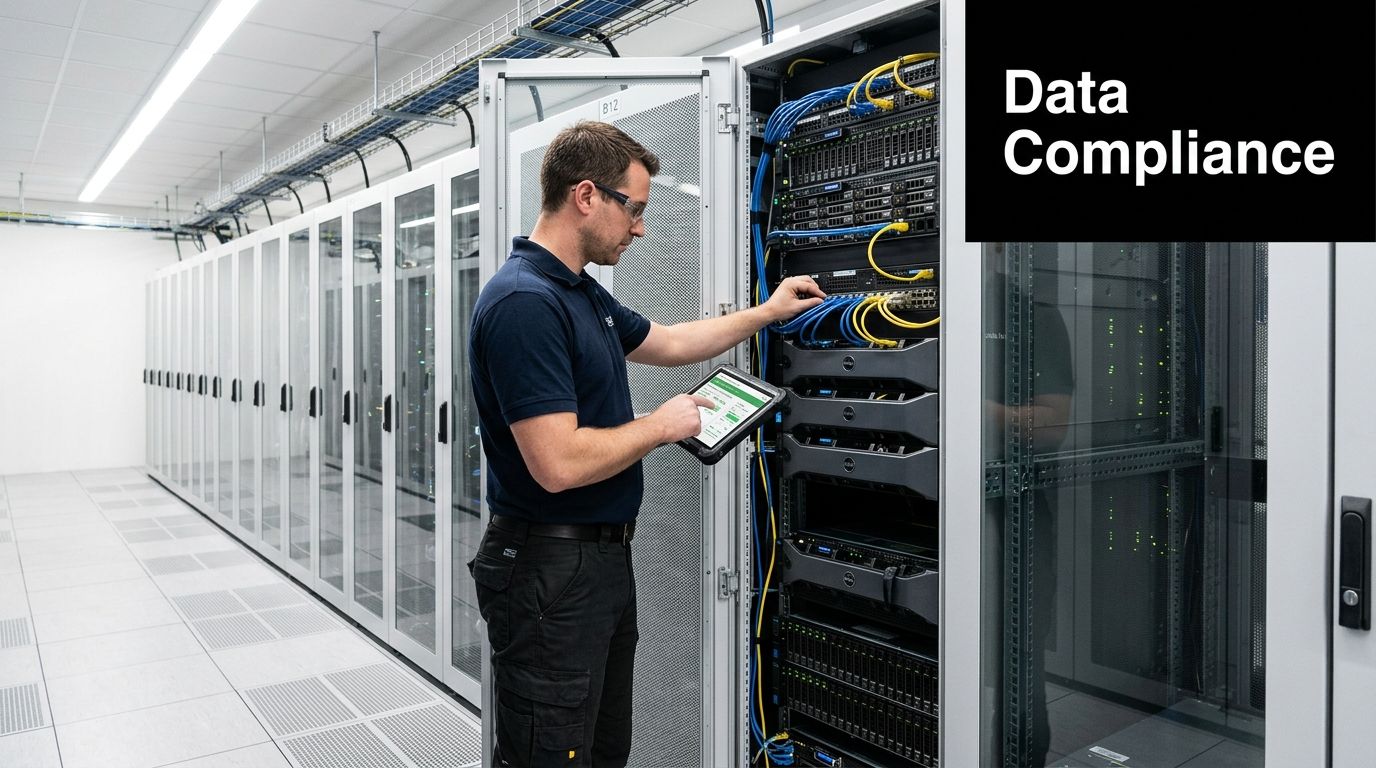
Atlanta employers increasingly want people who can explain HIPAA, GDPR, and the FTC Disposal Rule in operational terms. That means risk assessments, retention decisions, destruction protocols, audit trails, and escalation procedures. It also means communicating those requirements to legal, procurement, facilities, and executive stakeholders without hiding behind jargon.
What hiring managers want to hear
They want candidates who can describe the process step by step. How do you identify data-bearing assets? How do you separate reusable equipment from equipment that needs physical destruction? How do you document custody? What evidence do you keep?
For Georgia organizations handling regulated technology, HIPAA-compliant ITAD services in Georgia gives a practical view of what compliant disposal workflows should include.
Compliance only works when the process is easy enough for operations teams to follow every time.
Use interview answers that show process ownership. Say you've coordinated destruction logs, reviewed vendor certificates, or aligned technical procedures with legal requirements. That language lands better than broad claims about “security awareness.”
3. Hardware Diagnostics and Assessment
Hardware diagnostics is one of the most underrated skills in Atlanta tech jobs. Employers need people who can look at a retired laptop fleet, rack server batch, or pile of network hardware and make sound decisions quickly. Is it reusable, repairable, salable, cannibalizable for parts, or ready for recycling?
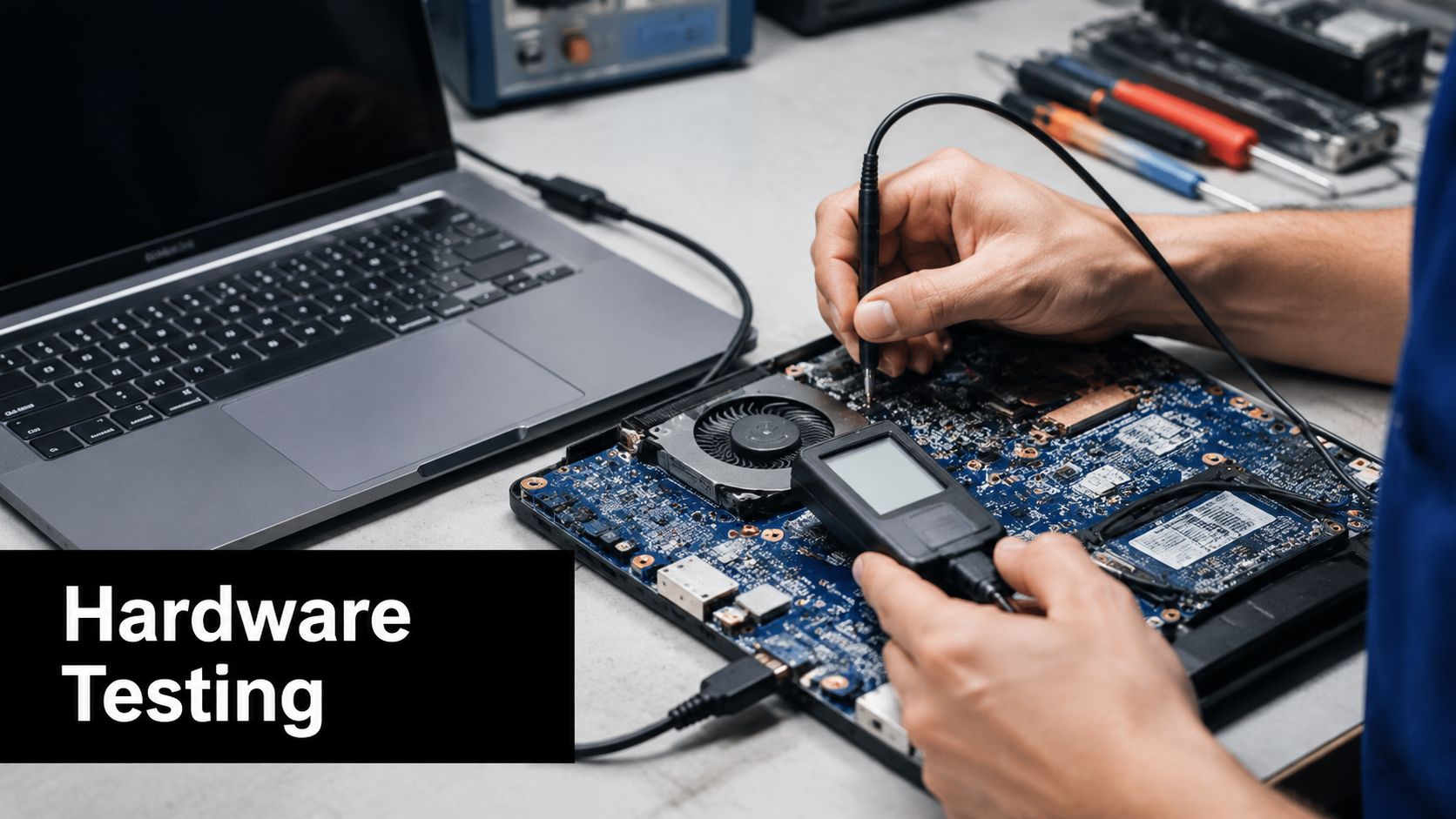
That requires tool familiarity and judgment. CPU-Z, GPU-Z, HWINFO, and Memtest86 help, but tools alone don't create value. You need to know what failure patterns mean, how to verify manufacturer specs, and when the labor cost of repair outweighs the recovery value.
How to make this skill visible
Show that you've assessed condition at scale, not just fixed your own machines. Hiring managers want evidence that you can standardize inspection, classify hardware accurately, and document findings in a repeatable way.
A strong resume bullet is specific in method. For example:
- State the device class: Laptops, desktops, servers, network switches, or mobile devices
- Name the workflow: Intake testing, grading, refurbishment screening, or disposition routing
- Show the business result: Faster triage, cleaner inventory records, or better recovery decisions
A common Atlanta scenario is an enterprise refresh where some laptops are suitable for redeployment, some can enter a buyback channel, and some need component recycling because of board damage or battery issues. The person who can separate those lanes accurately saves the company time and avoids bad downstream decisions.
4. Project Management and Coordination
A lot of disposal and decommissioning work fails for boring reasons. Pickup timing slips. Asset lists don't match what's on the floor. Legal wants one process, facilities follows another, and the vendor arrives before the loading area is ready. That's why project management matters.
Atlanta employers are putting heavier weight on experienced professionals. More than 40% of surveyed employers prioritize mid-career professionals with five to ten years of experience. That preference makes sense in projects that involve logistics, compliance, stakeholders, and fixed deadlines. They want people who've already seen where these projects break.
How to prove you can run the work
Don't just say you're organized. Show the mechanics. Mention project charters, status meetings, issue logs, scope control, and vendor coordination. If you use Asana, Monday.com, or Jira, name the tool and explain how you used it to track dependencies and milestones.
The best project managers in IT disposal remove surprises before pickup day.
Use scenarios in interviews. Explain how you'd manage a multi-site office refresh, a server room shutdown, or a healthcare equipment retirement cycle. Walk through stakeholder mapping, timeline sequencing, and final reporting. That's stronger than reciting generic PM language.
5. Environmental and Sustainability Knowledge
Environmental knowledge isn't just a values statement anymore. It's operational knowledge. Businesses want professionals who understand what responsible electronics recycling looks like, which materials create risk, and how reuse, refurbishment, and certified recycling fit into corporate sustainability goals.
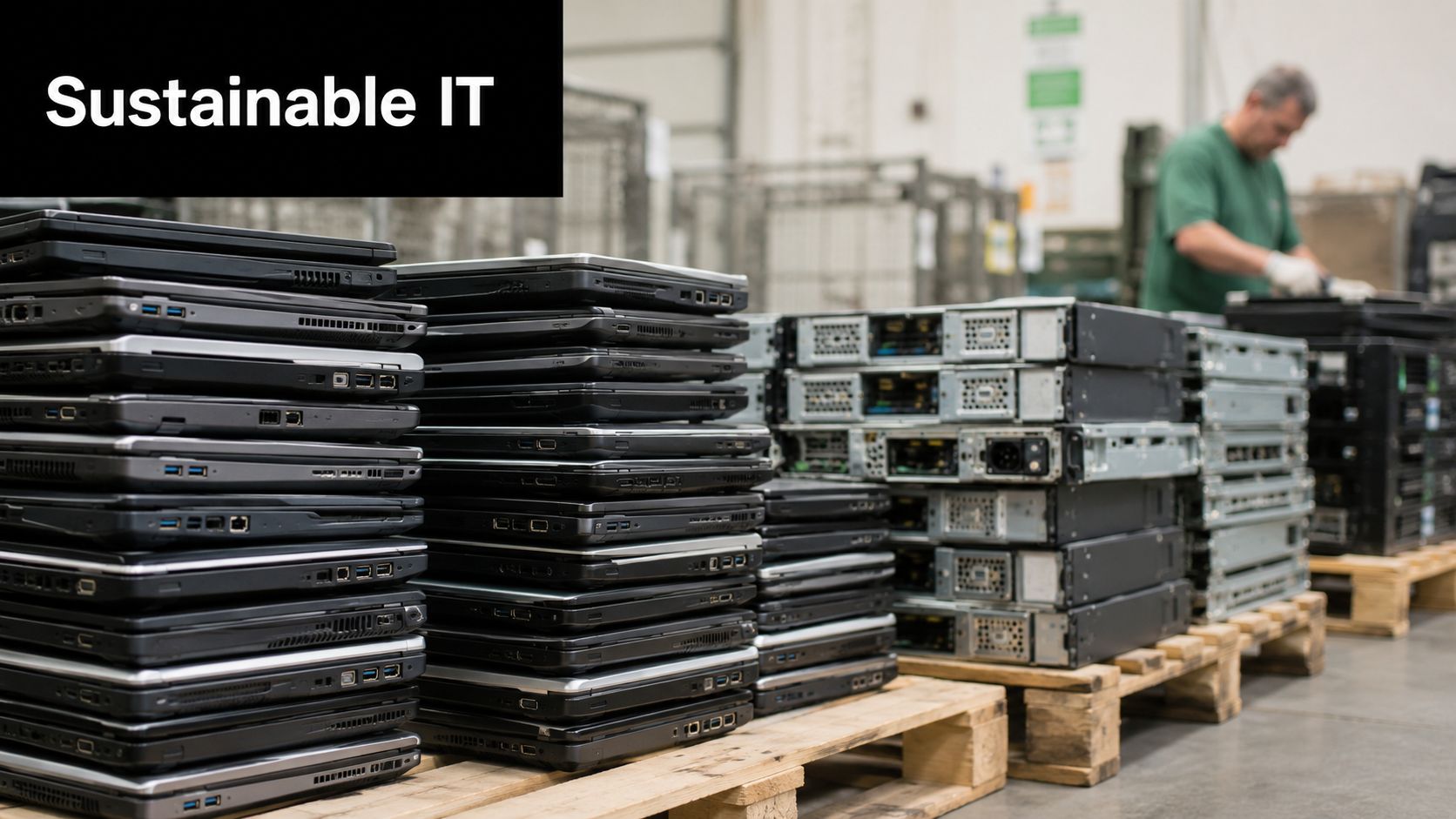
In Atlanta, this matters across healthcare, finance, education, manufacturing, and enterprise IT. Teams need people who know why landfilling electronics creates legal and reputational problems, how certified recyclers process equipment, and when refurbishment is preferable to immediate destruction.
What this skill looks like on the job
It shows up in vendor selection, internal policy, and reporting. A capable employee can explain why batteries and toner follow separate processes, why downstream transparency matters, and why sustainability claims need documentation.
For local organizations aligning IT operations with broader environmental goals, ESG trends in Atlanta sustainable IT practices is relevant reading.
- Learn the material risks: Lead, mercury, and other components affect handling and downstream choices.
- Prioritize reuse first: If a device is still viable, extend its useful life before recycling it.
- Ask better vendor questions: Request certificates, process summaries, and reporting that supports internal ESG communication.
6. Logistics and Supply Chain Optimization
Retiring equipment across offices, clinics, campuses, or warehouses is a logistics job as much as a technical one. Atlanta companies need staff who can consolidate inventory, prepare pickups, reduce unnecessary handling, and move equipment without breaking chain of custody.
Details are critical. In Atlanta commercial recycling programs, equipment generally needs to be staged at a business address in the metro area and consolidated in one ground-floor location such as a loading dock or storage room for efficient pickup, according to Atlanta Computer Recycling's pickup guidelines. If your team ignores those realities, you create delays and labor issues before the truck even arrives.
What employers want from logistics-minded candidates
They want people who can turn chaos into a repeatable pickup process. That means labeling, inventory accuracy, route coordination, shipment tracking, and realistic scheduling.
A practical Atlanta example is a multi-office law firm preparing end-of-life laptops and monitors for removal. A strong operations lead won't let each office improvise. They'll standardize packaging, designate a staging point, verify counts, and align vendor arrival with building access rules.
- Consolidate before scheduling: Mixed piles across floors waste time and raise handling risk.
- Track every movement: Asset status should change in a system, not in someone's memory.
- Use SLAs with logistics partners: Pickup windows, escalation points, and documentation should be defined up front.
7. Financial Analysis and Asset Valuation
Financial analysis separates mature IT lifecycle programs from expensive cleanup projects. Employers want people who understand depreciation, residual value, remarketing potential, and the cost of poor disposition timing.
That doesn't mean you need to work in finance. It means you need to think commercially. A two-year-old business laptop may still have recovery value. An aging server may cost more to test and handle than it will return. A rushed disposal project often destroys value that a planned refresh could have preserved.
How to talk about valuation in business terms
Speak in decisions, not theory. Explain how you'd sort equipment into reuse, resale, recycling, or destruction based on condition, labor, compliance risk, and demand. Mention transportation and refurbishment costs because they change the economics.
Atlanta businesses also need practical awareness of accepted equipment categories. Certified local recyclers commonly accept business-grade laptops, desktops, monitors, servers, printers, networking gear, mobile phones, and tablets, while consumables such as toner cartridges or batteries follow separate processes and may involve different fees, according to Montclair Crew's Atlanta electronics recycling overview.
That distinction matters in budgeting. If your inventory is sloppy, your cost assumptions will be sloppy too.
8. Vendor Management and Relationship Building
Strong vendor management protects your company when the project gets complicated. You need partners that can handle secure pickup, data destruction, logistics coordination, reporting, and escalation without creating ambiguity.
This is one reason work experience now carries more weight in hiring. In Atlanta, 78% of employers say work experience is equal to or more valuable than a college degree. Vendor oversight is practical work. It requires judgment, negotiation, and follow-through. Employers trust people who've done it.
What good vendor management sounds like
It sounds specific. You can explain how you evaluate certifications, request sample reporting, negotiate service levels, and monitor performance over time. You don't rely on glossy sales language. You verify capabilities.
For teams formalizing outside partner relationships, IT vendor management best practices is a useful operational resource.
A vendor relationship is only strong if the paperwork, reporting, and response behavior all match.
Use examples in interviews. Say you compared providers for chain-of-custody requirements, reviewed destruction documentation, or built fallback options to avoid single-vendor dependence. That makes you sound like an operator, not a coordinator.
9. Communication and Stakeholder Engagement
Communication decides whether good technical work gets approved, funded, and completed. Atlanta employers need professionals who can translate disposal risk, compliance needs, and project timelines into language that executives, facilities teams, procurement staff, and end users can act on.
This matters even more because entry-level opportunities are tightening. In Atlanta's market, 38% of employers are reducing entry-level hiring due to AI automation, with the biggest reductions in IT and financial services. If you want to stand out, communicate like someone who can already operate in cross-functional meetings.
How to develop communication that gets results
Stop describing tools and start describing business impact. Don't say “we used a sanitization platform.” Say “we documented data destruction for audit readiness and cleared equipment for disposition without delaying the refresh.”
A strong stakeholder update usually includes:
- Current status: What's complete, what's blocked, and what changed
- Business impact: Risk, timing, compliance, or cost implications
- Required decision: What you need from leadership or another team
One common Atlanta scenario is coordinating a facility-wide pickup while legal reviews terms, IT verifies serials, and operations manages building access. The person who can keep all three groups aligned becomes indispensable quickly.
10. Cybersecurity and Data Sanitization Standards
Cybersecurity knowledge is now a core requirement across Atlanta tech jobs, not a specialty reserved for security teams. Georgia's job postings for software, IT, and cybersecurity occupations rose 29.5% year over year in June 2026 while total sector employment slipped 0.8%. Employers are recruiting carefully, and they're looking for people who can handle real security controls.
For disposal and infrastructure roles, that means understanding sanitization standards such as NIST SP 800-88, DoD 5220.22-M, ATA Secure Erase, and tools like Blancco. You don't need to claim mastery of every framework. You do need to know the difference between deleting data, wiping media, cryptographic erase, and physical destruction.
What interview-ready knowledge looks like
Be ready to explain method selection. A reusable corporate laptop may go through verified wiping. A failed drive with sensitive data may require shredding. A regulated environment may require certificates and retained logs for every serial-numbered asset.
For candidates who want to tighten their command of disposal-focused security standards, NIST SP 800-88 guidance from Beyond Surplus is directly relevant. You can also find cybersecurity opportunities if you're targeting security-heavy roles in parallel.
- Learn the standard names: Hiring managers notice when candidates can reference recognized frameworks correctly.
- Connect standards to workflow: Explain where verification, logging, and signoff happen.
- Treat sanitization as evidence-based work: If you can't prove it happened, you can't defend it.
Atlanta Tech Jobs: Top 10 Skills Comparison
| Competency | Implementation complexity 🔄 | Resource & cost ⚡ | Expected outcomes ⭐ | Ideal use cases 📊 | Key advantages & tips 💡 |
|---|---|---|---|---|---|
| IT Asset Disposition (ITAD) Management | High, specialized workflows, certifications, multi-step logistics | High, certified partners, secure transport, documentation systems | Secure, compliant disposal; residual value recovery | Enterprise refreshes, data centers, healthcare, government | Reduces liability; partner with certified ITADs and request destruction/recycling certificates |
| Data Security and Compliance (HIPAA, GDPR, FTC) | High, evolving, multi-jurisdictional regulations and audit demands | Medium–High, legal/regulatory experts, compliance tooling, audit processes | Reduced fines & breach risk; stakeholder trust and audit readiness | Healthcare, financial services, multi-region operations | Subscribe to regulatory updates; automate compliance tracking and conduct annual audits |
| Hardware Diagnostics and Assessment | Medium, technical testing, component-level analysis | Medium, diagnostic tools, test labs, trained technicians | Accurate grading and valuation; higher refurbishment/recovery rates | Refurbishment, buyback programs, data center decommissions | Invest in certified diagnostic tools; document results and automate workflows |
| Project Management and Coordination | Medium–High, multi-stakeholder scheduling and risk management | Medium, PM tools, dedicated managers, cross-team coordination | On-time/on-budget delivery; documented compliance and stakeholder alignment | Large-scale refreshes, multi-site decommissions, complex IT projects | Use PM tools, build buffers into timelines, hold regular stakeholder check-ins |
| Environmental and Sustainability Knowledge | Medium, certification familiarity and evolving standards | Medium, certified recyclers, reporting tools, training | Meets ESG goals; reduced environmental liability and reputational risk | Corporate ESG programs, sustainability reporting, certified recycling | Partner with R2/e‑Stewards recyclers; quantify diverted e‑waste and recovered materials |
| Logistics and Supply Chain Optimization | Medium, routing, consolidation, vendor coordination | Medium, logistics partners, tracking/route optimization systems | Lower transport costs; improved asset condition on arrival | Nationwide pickups, multi-office disposals, data center consolidation | Consolidate shipments, set SLAs, implement real-time tracking to reduce costs and damage |
| Financial Analysis and Asset Valuation | Medium, market volatility and TCO/ROI modeling | Low–Medium, market data, finance tools, valuation expertise | Maximized revenue recovery; informed refresh and budgeting decisions | Buyback negotiations, refresh ROI planning, capital planning | Compare multiple buyback offers; factor refurbishment and transport into ROI |
| Vendor Management and Relationship Building | Medium, due diligence, SLA negotiation, ongoing audits | Medium, procurement/legal support, vendor performance tracking | Reliable service delivery, competitive pricing, reduced third-party risk | Long-term ITAD partnerships, multi-vendor programs, procurement | Define evaluation criteria, require certifications, hold annual vendor reviews and SLAs |
| Communication and Stakeholder Engagement | Low–Medium, tailored messaging and regular updates | Low, communication plans, dashboards, meeting cadence | Executive buy-in, reduced misunderstandings, smoother project execution | Cross-functional projects, executive reporting, change management | Create stakeholder maps, visual dashboards, and document decisions for audits |
| Cybersecurity & Data Sanitization Standards (NIST, DoD, Blancco) | High, strict protocols, verification, and audit trails | High, certified sanitization tools, training, verification workflows | Verifiable data destruction; compliance for sensitive data and reduced breach risk | Healthcare, government, finance, any high-sensitivity data dispositions | Use certified tools (Blancco/NIST guidance), verify results, and retain destruction certificates |
Next Steps to Land Your Ideal Role
Now you know what Atlanta employers want. They want people who can secure data, manage disposal workflows, assess equipment, coordinate vendors, and communicate clearly across business functions. They also want professionals who can work at the level of execution, not just discussion.
Start with your resume. Remove generic claims like “results-driven IT professional” and replace them with operational detail. Mention hardware classes, compliance exposure, project scope, data destruction processes, ticketing or PM tools, inventory systems, and vendor coordination work. If you've touched laptop refreshes, server retirements, e-waste pickups, buyback reviews, or chain-of-custody documentation, say so plainly.
Then tighten your certifications and training around the work you want. If you're targeting healthcare accounts, get stronger on HIPAA-related disposal requirements. If you want infrastructure or decommissioning work, sharpen your NIST SP 800-88 knowledge and your understanding of secure logistics. If you're moving toward asset recovery or procurement, build better valuation instincts and learn how buyback, reuse, and certified recycling decisions affect budget outcomes.
Your interview prep should be scenario-based. Practice answering questions like these: How would you handle a batch of retired laptops with mixed condition and unknown data status? What steps would you follow during a multi-site equipment pickup? How would you explain disposal risk to a non-technical executive? Employers remember candidates who can walk through a process cleanly.
Don't ignore presentation either. LinkedIn profiles, resume formatting, and professional photos affect first impressions before anyone reads your technical background. If you're refreshing your materials, streamlined professional imagery for Atlanta careers can help you update that part efficiently.
For hiring managers, the lesson is equally direct. Screen for proof, not vocabulary. Ask candidates to describe how they verified serials, staged equipment, selected sanitization methods, or handled a vendor issue. Candidates with practical experience will answer in sequence. They'll name the handoffs, the documents, and the failure points. Candidates without that experience usually stay abstract.
Applied AI literacy also matters in Atlanta's market. The city's hiring trend is moving toward practical automation, workflow support, analytics platforms, and deployment-oriented skills rather than pure specialized machine learning roles, as noted in Nucamp's overview of essential Atlanta tech skills in 2025. If you're early in your career, that's useful. You don't need to wait for a niche ML title to build value. You can become useful now by improving operations, data handling, reporting, and process automation inside real business environments.
Finally, understand the local commercial environment. In Atlanta, some business e-waste pickup providers only offer free collection when a commercial organization has at least 10 eligible electronic items ready for pickup. That kind of operational detail is exactly what employers appreciate. It shows that you understand how technical work meets real-world vendor rules, building constraints, and service models.
If your work touches retired IT equipment, secure disposition isn't a side issue. It's part of the job. Beyond Surplus is one Atlanta-based option businesses use for IT asset disposition, electronics recycling, data destruction, and logistics coordination. Contact Beyond Surplus for certified electronics recycling and secure IT asset disposal.
If your organization needs a practical partner for secure IT asset disposition, electronics recycling, data destruction, or pickup coordination, contact Beyond Surplus.


